
- The Importance of Exercise for Older Adults
- Overcoming Barriers to Exercise for Seniors
- Safe and Enjoyable Exercise Options for Older Adults
- Tips for Encouraging Older Adults to Exercise
- Real-Life Case Study: Exercise Success for Older Adults
The Importance of Exercise for Older Adults
As we age, staying physically active becomes more important than ever. Regular exercise helps older adults maintain mobility, improve cardiovascular health, boost mood, and increase overall well-being. It can also play a key role in preventing or managing chronic conditions such as diabetes, hypertension, and arthritis. In addition to the physical benefits, exercise has been shown to enhance cognitive function, reduce stress, and promote better sleep patterns, making it an essential part of healthy aging.
For older adults, however, the idea of exercise can often seem daunting. Whether due to physical limitations, fear of injury, or simply a lack of motivation, many seniors find it difficult to get started or maintain a regular exercise routine. Encouraging older adults to embrace exercise safely and enjoyably is key to fostering long-term health benefits.

Angel Hands In-Home Care, Inc.
West CovinaLos Angeles CountyCalifornia
1050 Lakes Dr Suite 225, Room 245, West Covina, CA 91790, USA
Overcoming Barriers to Exercise for Seniors
While the benefits of exercise are clear, older adults may face several barriers that prevent them from being active. Here are some common challenges and how they can be addressed:

Comfort Keepers Home Care
TorranceLos Angeles CountyCalifornia
21171 S Western Ave Suite 220, Torrance, CA 90501, USA
1. Physical Limitations
Many seniors experience joint pain, arthritis, or other physical limitations that make traditional forms of exercise challenging. It's important to find exercises that accommodate these limitations. Low-impact exercises such as walking, swimming, and cycling are great options, as they are gentle on the joints while still providing effective cardiovascular benefits.
2. Fear of Injury
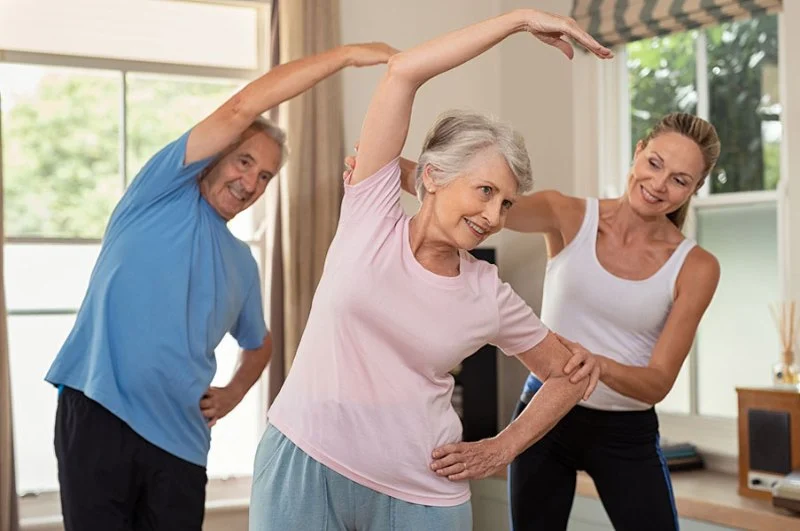
Some older adults may be hesitant to exercise due to a fear of falling or injuring themselves. To overcome this, encourage starting with simple, low-risk activities such as stretching, chair exercises, or balance training. It can also be helpful to participate in group exercise classes for seniors, where there is guidance from trained instructors who can ensure proper technique and prevent accidents.
3. Lack of Motivation
For many seniors, the lack of motivation is a major barrier to regular exercise. Finding an enjoyable and rewarding activity is essential for encouraging consistent participation. Activities that align with personal interests, such as dancing, yoga, or gardening, can make exercise feel less like a chore and more like a fun hobby.
4. Limited Access to Facilities
Not every senior has access to gyms or fitness centers. However, exercise can be done anywhere—at home, in the park, or even in the living room. Bodyweight exercises, resistance bands, and simple home equipment like dumbbells can be used to create a complete workout routine without needing a gym membership. Online resources and virtual fitness classes are also great alternatives.
Safe and Enjoyable Exercise Options for Older Adults
To encourage older adults to stay active, it’s important to recommend safe and enjoyable forms of exercise. Here are a few excellent options:
1. Walking
Walking is one of the best and most accessible forms of exercise for older adults. It’s easy on the joints, can be done at any pace, and doesn’t require any special equipment. Walking outside in nature or around the neighborhood can also provide additional mental health benefits by connecting seniors with their surroundings and improving mood.
2. Swimming
Swimming is an ideal low-impact exercise that provides a full-body workout while reducing the risk of injury. The buoyancy of water supports the body, making swimming an excellent choice for seniors with joint pain or arthritis. Many community centers offer water aerobics classes, which are specifically designed for older adults.
3. Yoga and Stretching
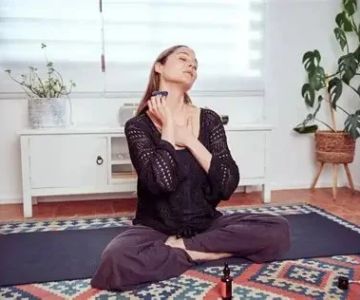
Yoga is a fantastic way for older adults to improve flexibility, balance, and strength. Gentle forms of yoga, such as chair yoga or restorative yoga, can be adapted to accommodate physical limitations. Stretching exercises help to maintain mobility and reduce stiffness, making them an essential part of any fitness routine.
4. Strength Training
Strength training is crucial for maintaining muscle mass and bone density as we age. Light weightlifting, resistance bands, or bodyweight exercises such as squats and lunges can help older adults maintain their strength. It’s important to start with light weights or resistance and gradually increase the intensity to avoid strain.
5. Dancing
Dancing is an enjoyable and social way to stay active. It helps improve balance, coordination, and cardiovascular health. Many seniors enjoy group dance classes, such as ballroom dancing or line dancing, which provide both physical exercise and a sense of community.
Tips for Encouraging Older Adults to Exercise
Encouraging older adults to take part in safe and enjoyable exercise requires a thoughtful approach. Here are some practical tips:
- Make it Social: Many older adults enjoy socializing, so try to incorporate exercise into social activities. Group fitness classes, walking clubs, or fitness challenges with friends can provide motivation and accountability.
- Start Slow: Begin with short, simple workouts and gradually increase the duration and intensity as confidence and strength grow. It’s important to avoid overwhelming them with too much too soon.
- Set Realistic Goals: Set achievable goals and celebrate small victories. Whether it’s walking an extra block or completing a 10-minute stretching session, recognizing progress can boost motivation.
- Provide Encouragement and Support: Offer praise and encouragement regularly. Help them stay committed to their fitness goals by being a positive and supportive presence.
- Ensure Safety: Always emphasize the importance of safety when exercising. Encourage them to listen to their bodies, avoid overexertion, and take breaks when necessary.
Real-Life Case Study: Exercise Success for Older Adults
Consider the story of John, a 72-year-old man who struggled with joint pain and limited mobility. Initially, John found it difficult to commit to an exercise routine, but with the help of his daughter, he started walking short distances each day. After a few weeks, he felt more comfortable and gradually added light strength training and yoga to his routine. John’s energy levels improved, and his joint pain lessened significantly. Now, he enjoys walking and participating in a weekly yoga class with friends.
John’s success story shows how a gradual, personalized approach to exercise can help older adults overcome barriers and achieve lasting health benefits. With the right encouragement and support, older adults can experience the joys of physical activity and improve their quality of life.


 Aria Senior Care Assisted Living5.0 (3 reviews)
 Altogether Healthcare and Referral Agency, LLC3.0 (2 reviews)
 24 Hour Home Care4.0 (24 reviews)
 Unified Care Providers, Inc. Home Health Care4.0 (14 reviews)
 Home Instead, Home Care Services of Beverly Hills4.0 (49 reviews)
 Home Instead, Home Care Services of Los Angeles4.0 (41 reviews)
 Strategies for Incorporating Physical Activity Into Daily Life Safely
 How to Encourage Seniors to Engage in Light Physical Activity Indoors
 Easy Gardening Activities That Promote Physical and Mental Health for Older Adults
 Creating a Personalized Care Plan That Reflects Your Loved One’s Preferences
 The Role of Mobile Apps in Managing Senior Health
 Tips for Managing Chronic Conditions at Home