Making Community Life Safer and More Welcoming for Older Adults
- Mobility & Safety Planning - supporting physical comfort and reducing risk in crowded or outdoor events
- Health Awareness & Preparation - ensuring medical needs and energy levels are considered before participation
- Social Inclusion & Confidence - helping older adults feel welcome, valued, and socially connected
- Transportation & Accessibility - organizing reliable and safe travel options to and from events
- Emergency Readiness - preparing for unexpected situations with simple, clear safety plans
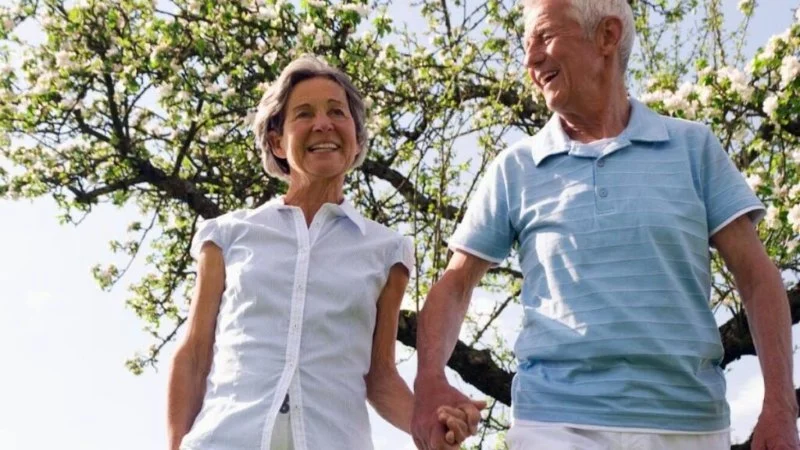
Community events are meant to bring people together, but for many older adults, participation can feel overwhelming. Concerns about mobility, health, transportation, or simply feeling out of place often become barriers. The goal is not just to invite seniors to events, but to create environments where they can participate confidently and safely without unnecessary stress.
The topic of Tips for Encouraging Older Adults to Participate in Community Events Safely has become increasingly important as communities grow more age-diverse. From neighborhood festivals to church gatherings and local workshops, thoughtful planning can make the difference between isolation and meaningful engagement.
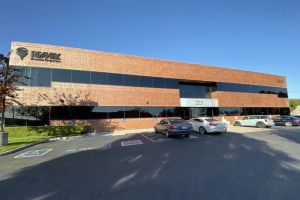
Practicare Home Health Inc
ArcadiaLos Angeles CountyCalifornia
223 N First Ave UNIT 103, Arcadia, CA 91006, USA
Understanding the Real Barriers Older Adults Face in Social Participation
Physical Comfort and Mobility Challenges in Public Spaces
One of the most common issues affecting senior participation is mobility. Uneven sidewalks, long walking distances, lack of seating, and crowded environments can discourage older adults from attending events even if they are interested. A retired teacher once shared how she stopped attending local fairs simply because she could not find a place to rest without feeling like she was “in the way.”
Simple adjustments such as placing resting zones every few blocks or ensuring wheelchair-accessible pathways can dramatically improve comfort levels. These details may seem small, but they directly impact whether older adults feel safe enough to stay and enjoy the event.
WAYS Home Care & Health Agency, LLC
InglewoodLos Angeles CountyCalifornia
8617 S Crenshaw Blvd, Inglewood, CA 90305, USA
Health Sensitivity and Energy Management Concerns
Many seniors manage chronic conditions that require careful energy planning. Heat, noise, or long waiting times can quickly lead to fatigue. Events that run for several hours without breaks often unintentionally exclude older participants.
A community organizer in a suburban U.S. town once redesigned their annual street fair after noticing that older attendees were leaving early due to exhaustion. By introducing shaded rest areas and scheduled “quiet hours,” attendance among seniors increased significantly the following year.
Building Safe Participation Through Thoughtful Event Design
Creating Predictable and Low-Stress Environments
Older adults feel more comfortable when they understand what to expect. Clear signage, simple event maps, and structured schedules reduce confusion and anxiety. Predictability helps reduce cognitive load, especially for individuals who may have mild memory challenges.
Organizers often overlook how overwhelming sensory-heavy environments can be. Loud music, flashing lights, or chaotic crowd movement can discourage participation. Adjusting sound levels or offering calm zones allows seniors to enjoy events at their own pace.
Transportation and Arrival Support Systems
Transportation is often the deciding factor in whether an older adult attends a community event. Even when interest is high, lack of reliable travel options can make participation impossible. Partnering with community shuttle services or coordinating volunteer ride-sharing can significantly improve accessibility.
In one midwestern community, a volunteer group created a “buddy arrival system” where seniors were paired with trained helpers who accompanied them from parking areas to event entrances. This simple idea greatly improved attendance and confidence.
Social Confidence and Emotional Comfort in Group Settings
Reducing Social Anxiety Through Inclusive Programming
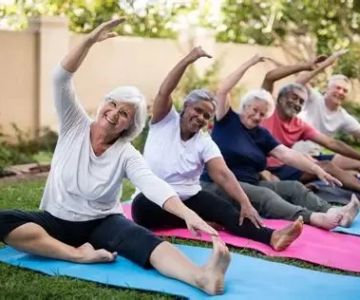
Some older adults hesitate to attend events due to fear of not fitting in. This is especially true for those who have recently lost a spouse or relocated. Designing activities that encourage gentle interaction—such as small group workshops or storytelling circles—can help ease this transition.
A real example comes from a senior community garden project where participants were encouraged to share personal gardening memories. This not only improved engagement but also built emotional connections between participants who were initially strangers.
Encouraging Familiarity and Community Continuity
Familiar faces and consistent event structures help older adults feel grounded. Repeating certain traditions or maintaining regular schedules builds trust over time. Communities that rotate volunteers and organizers too frequently sometimes unintentionally disrupt this sense of stability.
Practical Safety Strategies That Make a Real Difference
Medical Awareness and On-Site Support Preparation
Even small events benefit from basic health preparedness. Having trained volunteers aware of first-aid procedures and knowing where emergency exits are located creates a safer environment. Older adults often feel more confident when they know help is available if needed.
Hydration stations, shaded seating, and medication-friendly schedules are not luxury features—they are essential components of inclusive planning.
Environmental Safety and Risk Reduction
Trip hazards, poor lighting, and overcrowded pathways are common risks in public gatherings. Conducting pre-event safety checks can prevent accidents that disproportionately affect older participants.
Communities that prioritize environmental awareness often see higher repeat participation from seniors, as trust builds through consistent safety experiences.
Strengthening Community Bonds Through Thoughtful Engagement
Encouraging Intergenerational Interaction
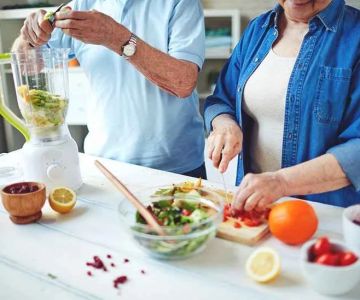
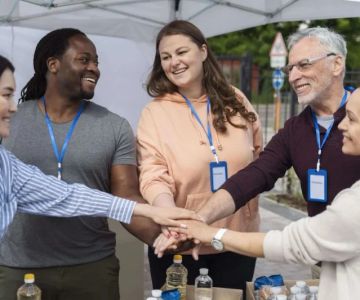
One of the most powerful ways to support older adults is to integrate them naturally into multi-age environments. Activities that bring generations together—such as cooking demonstrations or craft workshops—create mutual understanding and shared enjoyment.
These interactions help reduce feelings of isolation while also giving younger participants valuable exposure to life experience and wisdom.
Local Support Systems and Resource Networks
Communities looking to improve senior engagement often benefit from structured support tools and service directories. Platforms like HomeCare Hub can help families and organizers identify reliable services, accessibility resources, and event-related support options that make participation easier and safer.
Real Community Example: A Weekend Market Transformation
In one coastal town, a weekend farmers market struggled to attract older visitors despite being popular among younger crowds. After feedback sessions, organizers discovered that seating was limited and navigation signs were unclear.
They redesigned the layout with resting stations every few booths, added larger directional signage, and introduced a volunteer assistance team. Within two months, senior attendance increased noticeably, and many participants reported feeling “welcomed instead of rushed.”
This example highlights how small, intentional changes can transform accessibility and participation without major structural costs.
Encouraging Long-Term Engagement Through Consistency
Sustaining participation requires more than one-time adjustments. Communities that consistently evaluate accessibility, gather feedback, and adapt programming build stronger trust with older adults over time. The sense of belonging grows when seniors see their input reflected in real changes.
When planning future events, the focus should always remain on dignity, comfort, and safety. With thoughtful design and ongoing attention, community spaces can become truly inclusive environments where older adults not only attend—but actively enjoy and contribute.

 Griswold Home Care for Greater Newport Beach5.0 (9 reviews)
 Amada Senior Care5.0 (4 reviews)
 Acti-Kare of Irvine5.0 (10 reviews)
 Sunrise Rehab Inc5.0 (1 reviews)
 Titanium Healthcare4.0 (13 reviews)
 SYNERGY HomeCare5.0 (11 reviews)
 The Importance of Self-Care for Family Caregivers: How to Stay Healthy While Caring for Loved Ones
 Tips for Helping Seniors Stay Connected Through Technology
 The Role of Technology in Enhancing Senior Care
 How to Handle Wandering in Dementia Patients
 How to Improve Your Focus and Concentration During Tae Kwon Do Practice
 Emerging Trends in Senior Health Care