
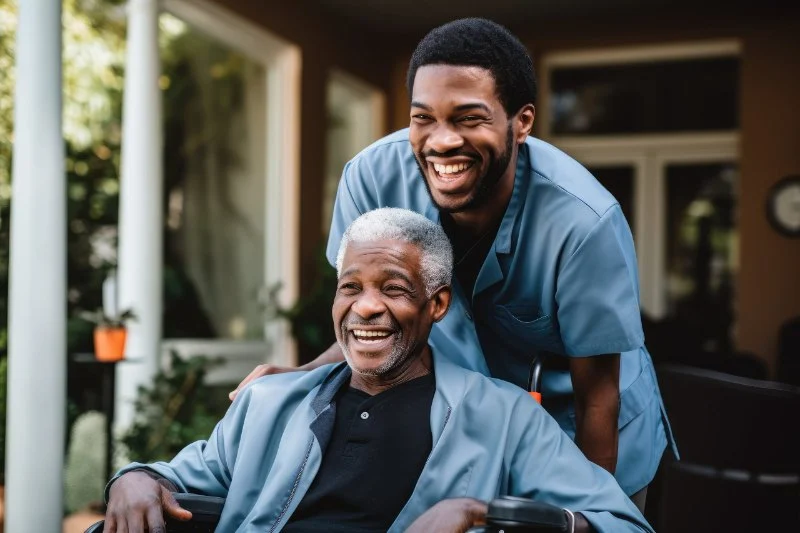
- 1. Understanding the Role of Family Caregivers
- 2. Common Challenges Family Caregivers Face
- 3. Why Self-Care is Crucial for Family Caregivers
- 4. Practical Tips for Caregiver Self-Care
- 5. Resources and Support for Family Caregivers
- 6. Conclusion: Prioritizing Self-Care for Better Caregiving
1. Understanding the Role of Family Caregivers
Family caregivers play a vital role in the lives of their loved ones. They provide emotional, physical, and financial support to family members who are elderly, ill, or disabled. While this role can be incredibly rewarding, it can also be emotionally and physically draining. Understanding the importance of self-care is essential for caregivers to remain healthy and effective in their caregiving duties.

Comfort Paradise Home Care Agency
AlhambraLos Angeles CountyCalifornia
1227 W Valley Blvd unit 117, Alhambra, CA 91803, USA
2. Common Challenges Family Caregivers Face
Being a family caregiver comes with unique challenges. Many caregivers experience significant stress due to the physical and emotional demands of caring for someone else. Here are some common challenges:
- Physical exhaustion: Caregivers often work long hours and are responsible for tasks like bathing, dressing, and providing medical care, leading to burnout and fatigue.
- Emotional strain: The emotional burden of watching a loved one struggle with illness or aging can be overwhelming and isolating.
- Financial pressure: Caregiving can result in lost wages and additional costs, which can create significant financial stress.
- Social isolation: Many caregivers struggle to maintain their social connections as their caregiving duties take priority.
3. Why Self-Care is Crucial for Family Caregivers
Self-care is essential for family caregivers because it directly impacts their ability to provide the best care for their loved ones. Neglecting self-care can lead to burnout, depression, and physical illness. Taking time for oneself, even in small ways, allows caregivers to recharge, maintain their health, and offer better emotional support. Here’s why it’s so important:
- Improved physical health: Regular self-care practices can help prevent fatigue and physical strain caused by caregiving tasks.
- Better mental well-being: Taking time for relaxation, hobbies, or simply taking a break helps to reduce caregiver stress and prevent mental health issues like anxiety and depression.
- Increased emotional resilience: By prioritizing their own needs, caregivers can remain emotionally available and empathetic to the needs of their loved ones.
4. Practical Tips for Caregiver Self-Care
Incorporating self-care into your routine doesn’t have to be time-consuming or difficult. Here are some practical tips to help you maintain your well-being as a family caregiver:
- Set boundaries: It’s important to set limits on your caregiving responsibilities to avoid overextending yourself. Learn to say no when necessary and ask for help when needed.
- Schedule regular breaks: Take short breaks throughout the day, even if it’s just for a few minutes of quiet time or a walk around the block.
- Exercise regularly: Physical activity is crucial for reducing stress and maintaining energy. Try to engage in activities like yoga, walking, or swimming to keep your body and mind healthy.
- Maintain a healthy diet: Eating nutritious meals will help you maintain your energy levels and avoid illness. Consider meal prepping or asking a friend or family member to assist with meals.
- Seek professional support: Consider therapy or counseling to help manage the emotional strain of caregiving. Support groups for caregivers can also be an excellent way to connect with others who understand your situation.
5. Resources and Support for Family Caregivers
Caregivers don’t have to navigate this journey alone. Many resources and organizations offer support for those in caregiving roles:
- National Family Caregiver Support Program: Offers support through services like respite care, training, and financial assistance.
- Support groups: Look for local or online support groups where you can share experiences and gain emotional support from others in similar situations.
- Caregiver respite programs: These programs provide caregivers with a much-needed break while ensuring their loved one is still cared for.
- Home care services: Hiring a professional caregiver for certain tasks can give you time to focus on self-care and reduce your overall burden.
6. Conclusion: Prioritizing Self-Care for Better Caregiving
Being a family caregiver is both rewarding and challenging. By prioritizing self-care, you can manage stress, maintain your health, and be more present for your loved one. Remember, taking care of yourself is not selfish; it’s necessary to ensure that you can continue being the compassionate and effective caregiver your loved one needs.
If you’re looking for additional resources or products that can support your caregiving journey, visit HomeCare Hub. We offer a variety of caregiving tools, products, and support to make your caregiving experience easier and more manageable.






 Presidio Home Care5.0 (1 reviews)
 24 Hour Caregivers - Sherman Oaks Home Care Services5.0 (5 reviews)
 XCEL Home Health Care, Inc.0.0 (0 reviews)
 Comfort Keepers Home Care5.0 (1 reviews)
 A Peaceful Way Home Care5.0 (36 reviews)
 TheKey - Formerly 123 Home Care1.0 (1 reviews)
 How to Budget for Home Care: Practical Tips for Families
 How to Encourage Older Adults to Pursue Lifelong Learning Opportunities
 How to Encourage Seniors to Participate in Family Events and Activities
 Tips for Managing Chronic Conditions at Home
 Understanding the Different Types of Home Care Services
 How to Support Older Adults in Managing Stress With Simple Daily Practices