
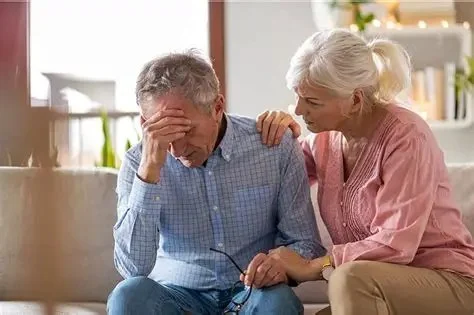
Understanding Stress in Older Adults
Stress is a natural response to life's challenges, but for older adults, chronic stress can have a serious impact on both physical and mental health. As we age, our ability to cope with stress often decreases, and the accumulation of stress over time can lead to various health issues, such as heart disease, anxiety, and depression.
It’s important to recognize the unique stressors that older adults face. These can include health problems, financial concerns, the loss of loved ones, and a decline in independence. Therefore, providing support through simple daily practices can significantly help in managing stress and promoting overall well-being.

South Bay Home Health Care - Retail Store
TorranceLos Angeles CountyCalifornia
1349 El Prado Ave, Torrance, CA 90501, USA
Simple Daily Practices to Reduce Stress
Incorporating simple daily practices into an older adult’s routine can make a world of difference in managing stress. Here are some practical ways to support older adults in reducing their stress levels:

Visiting Angels Senior Home Care
Rolling Hills EstatesLos Angeles CountyCalifornia
609 Deep Valley Dr #248, Rolling Hills Estates, CA 90274, USA
1. Encourage Regular Physical Activity
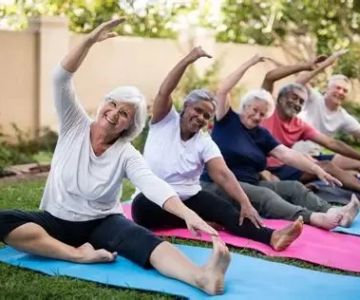
Physical exercise is one of the most effective ways to reduce stress. It helps release endorphins, which are the body’s natural mood boosters. Encouraging older adults to engage in daily walks, stretching, or even gentle yoga can not only improve their physical health but also lower stress levels.
2. Establish a Relaxing Routine
Routines bring structure and a sense of control, which can greatly reduce anxiety. Encourage older adults to establish daily routines that include time for self-care, relaxation, and enjoyment. A predictable daily routine can bring comfort and reduce feelings of chaos or overwhelm.
3. Promote Healthy Eating Habits
Eating nutritious meals regularly helps regulate blood sugar levels, which in turn can reduce stress. Encouraging older adults to eat a balanced diet rich in fruits, vegetables, whole grains, and lean proteins can improve mood and energy levels. Limiting caffeine and sugar intake is also beneficial in reducing anxiety and stress.
Benefits of Exercise and Movement
Exercise isn’t just good for physical health—it plays a crucial role in reducing stress, especially for older adults. Regular movement helps reduce tension in the body, improves sleep quality, and enhances overall well-being. Here are some specific benefits of exercise for older adults:
1. Reduces Anxiety and Depression
Exercise has been shown to reduce symptoms of anxiety and depression, common stress-related conditions in older adults. Physical activity can improve mood, increase self-esteem, and provide a sense of accomplishment. Whether it's a 20-minute walk or a light stretching routine, consistent movement is key to managing stress.
2. Improves Sleep
Many older adults struggle with sleep issues, often exacerbated by stress. Regular physical activity helps improve the quality and duration of sleep, which in turn supports stress reduction. Encouraging movement during the day—preferably not too close to bedtime—can help older adults sleep more soundly.
3. Increases Social Interaction
Exercise classes or group activities provide opportunities for socialization, which is essential for mental health. Whether it’s a walking group or a fitness class for seniors, group activities foster social bonds and reduce feelings of isolation and loneliness, both of which contribute to stress.
Importance of Social Connection
Social isolation is a significant stressor for many older adults. Maintaining meaningful social connections is essential for emotional well-being and stress management. Here are some ways to encourage social interaction:
1. Engage in Social Activities
Encourage older adults to participate in social activities such as community groups, clubs, or volunteer opportunities. Engaging in hobbies or activities with others helps build a sense of purpose and belonging, reducing stress.
2. Foster Family Communication
Maintaining regular communication with family members and friends can significantly improve an older adult’s mental health. A simple phone call, video chat, or regular visits can provide emotional support and reduce feelings of loneliness and stress.
Mindfulness and Relaxation Techniques
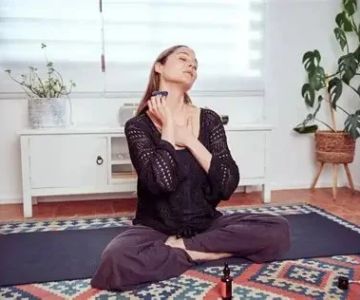
Mindfulness and relaxation techniques are powerful tools for managing stress in older adults. These practices help individuals stay grounded, reduce anxiety, and improve overall mental health. Here are some effective techniques:
1. Practice Meditation
Meditation is a simple yet effective technique that helps calm the mind and reduce stress. Encourage older adults to start with short, guided meditation sessions. There are many apps and online resources designed to teach meditation and mindfulness in a user-friendly way.
2. Deep Breathing Exercises
Deep breathing exercises are a quick and effective way to reduce stress and promote relaxation. Teach older adults to take slow, deep breaths in through the nose and out through the mouth. This can help lower blood pressure and calm the nervous system.
3. Progressive Muscle Relaxation
Progressive muscle relaxation involves tensing and relaxing different muscle groups to release physical tension and reduce stress. This technique is especially helpful for older adults who carry stress in their bodies. It’s a great addition to any daily relaxation routine.
Real-Life Experiences of Supporting Older Adults
Here are some real-life examples of how daily practices can help older adults manage stress:
Case Study 1: Sarah’s Journey to Stress Relief
Sarah, an 80-year-old woman, was struggling with stress after the loss of her spouse. She began taking short walks each morning and participating in a weekly meditation class. Over time, she noticed a significant reduction in her stress levels and an improvement in her mood. Sarah also started connecting more with family members via video calls, which helped her feel more supported and less isolated.
Case Study 2: John’s Social Routine
John, a 75-year-old man, felt lonely after retiring. He joined a local senior community group where he participated in activities like yoga and volunteer work. Through these activities, John built lasting friendships, and his stress levels decreased. He also reported feeling more energized and fulfilled.
Recommendations from HomeCare Hub
Supporting older adults in managing stress requires a personalized approach, and at HomeCare Hub, we offer resources and products to help make daily practices easier. From relaxation tools to senior fitness programs, we recommend products that can enhance stress management for older adults. Visit us today for expert advice and support on managing stress effectively.




 Every's Home Care5.0 (7 reviews)
 Rachel's Quality Home, Inc.0.0 (0 reviews)
 SYNERGY HomeCare4.0 (54 reviews)
 Heralds Home Health0.0 (0 reviews)
 Home Instead, Home Care Services of Rancho Cucamonga4.0 (40 reviews)
 Right at Home0.0 (0 reviews)
 How to Budget for Home Care: Tips for Families – Planning for the Best Care
 The Cost of Home Care: What You Need to Know
 What to Expect from In-Home Care Services | HomeCare Hub
 How to Create a Dementia-Friendly Home Environment
 Strategies for Creating a Comfortable and Safe Bedroom Environment
 How Home Care Services Supported a Family During a Crisis | HomeCare Hub