
Tips for Encouraging Older Adults to Try New Hobbies and Skills
- 1-Why Hobbies are Important for Older Adults
- 2-Overcoming Fears and Barriers to Trying New Things
- 3-Choosing Accessible Hobbies and Skills
- 4-Providing Support and Encouragement
- 5-How HomeCare Hub Can Help
1. Why Hobbies are Important for Older Adults
As people age, they often face a variety of physical, emotional, and social changes. One of the most significant ways to improve the quality of life for older adults is by encouraging them to engage in hobbies and learn new skills. Hobbies can provide mental stimulation, foster creativity, and enhance overall well-being. Engaging in meaningful activities has also been shown to reduce stress, alleviate feelings of isolation, and prevent depression in older adults.
For older adults, trying new hobbies can be an exciting way to stay mentally sharp and improve physical health. In addition to the social and emotional benefits, pursuing hobbies also offers the opportunity to maintain a sense of independence and self-worth. Encouraging older adults to try new activities can enrich their lives and open up new avenues for personal growth.
2. Overcoming Fears and Barriers to Trying New Things
While trying new hobbies can be exciting, many older adults may feel hesitant or fearful about stepping out of their comfort zones. Common barriers include a lack of confidence, fear of failure, or physical limitations. It’s important to address these concerns in a supportive and positive manner to help them overcome these obstacles.
- Building Confidence: Reassure older adults that it’s okay to start small and gradually build their skills. Celebrate small successes along the way to foster a sense of accomplishment.
- Providing Positive Reinforcement: Encourage them to try new things by focusing on the positive aspects of learning something new, such as the joy of discovering a new passion or the benefits to their mental and physical health.
- Focusing on Accessibility: Offer activities that are tailored to their physical abilities. For example, if they have mobility challenges, suggest hobbies like painting, writing, or knitting, which can be done at home comfortably.
By addressing these concerns and providing encouragement, you can help older adults feel more confident about trying new hobbies and developing new skills.
3. Choosing Accessible Hobbies and Skills
Choosing the right hobbies for older adults is essential for ensuring they enjoy the activity and don’t feel overwhelmed. The key is to focus on hobbies that are both accessible and enjoyable, regardless of physical or cognitive limitations. Here are some great options:
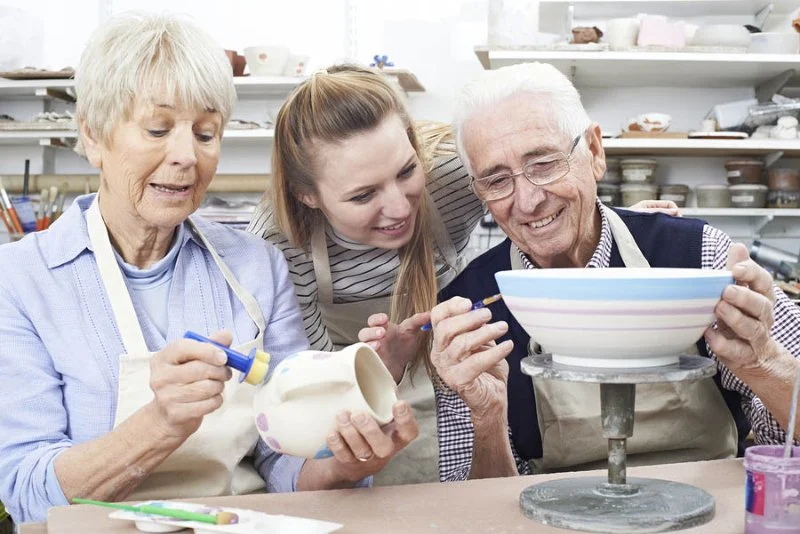
- Arts and Crafts: Painting, knitting, and pottery are excellent hobbies that offer creative expression while being gentle on the body. They also provide a sense of accomplishment when a project is completed.
- Gardening: Gardening is a therapeutic activity that encourages physical activity and connects people with nature. Raised garden beds or container gardening can make it more accessible for those with limited mobility.
- Cooking or Baking: Many older adults enjoy cooking or baking as a way to stay engaged and creative. You can introduce new recipes or techniques to keep things exciting and foster a sense of achievement when a dish is made.
- Exercise Classes: Physical activities such as yoga, tai chi, or swimming are low-impact and can be adapted to various fitness levels. Many community centers offer classes specifically designed for older adults.
- Music: Learning to play an instrument or singing in a group can be a fun and enriching experience. Music has been shown to have numerous cognitive and emotional benefits for older adults.
It’s important to tailor the hobby to the person’s interests and physical abilities, allowing them to engage fully without feeling overwhelmed or frustrated.
4. Providing Support and Encouragement
Support is key when encouraging older adults to try new hobbies and skills. Here’s how you can provide the right support to help them feel comfortable and motivated:
- Be Patient: Understand that learning something new can take time. Be patient and encourage them to take their time without feeling rushed. Celebrating small milestones can make the process more enjoyable.
- Join in: If possible, engage in the activity with them. This shows your support and creates a sense of companionship. It also makes the learning experience more fun and social.
- Set Realistic Goals: Help set achievable goals that provide a sense of progress. Whether it’s finishing a project or learning a new technique, small goals can help build confidence and keep them motivated.
- Offer Praise and Positive Feedback: Celebrate their successes, no matter how small. Recognizing their efforts helps boost their confidence and encourages them to keep trying new things.
By offering consistent support and positive reinforcement, you can help older adults feel confident and excited about trying new hobbies and skills.
5. How HomeCare Hub Can Help
If you're looking for resources and products to assist older adults in trying new hobbies and improving their skills, HomeCare Hub is here to help. We offer a wide range of products designed to make activities more accessible and enjoyable for seniors, including mobility aids, craft kits, gardening tools, and more.
Visit HomeCare Hub today to find the right tools, products, and expert advice to help older adults stay engaged, active, and fulfilled in their daily lives!






 24 Hour Caregivers - Orange County Home Care Services5.0 (14 reviews)
 St Jude Cares5.0 (2 reviews)
 Mom's Home Care0.0 (0 reviews)
 HealthView Home Healthcare Services5.0 (15 reviews)
 Goodwill Plus Inc4.0 (1 reviews)
 Light Home Health0.0 (0 reviews)
 How Robotics is Shaping the Future of Home Care
 How to Create a Relaxing Outdoor Space for Seniors at Home
 Recognizing the Early Signs of Alzheimer’s Disease
 Tips for Supporting Older Adults in Maintaining Mental Sharpness
 How to Encourage Creative Expression Through Art and Craft Projects
 How to Promote Social Interaction Through Group Activities at Home