

How Home Care Agencies are Adapting to Changing Regulations
- 1. Impact of Regulations on Home Care Agencies
- 2. Understanding New Regulations in the Home Care Industry
- 3. Adapting to Compliance Requirements
- 4. Technology Integration for Compliance
- 5. Staff Training and Development
- 6. Challenges and Opportunities in Adapting to Regulations
- 7. Resources for Home Care Agencies to Stay Compliant
1. Impact of Regulations on Home Care Agencies
Home care agencies play a critical role in providing essential services to individuals who need support in their homes. However, the home care industry is subject to frequent changes in regulations that can have significant impacts on how services are delivered, the quality of care, and the overall operation of these agencies.
With shifting policies, regulations are becoming increasingly complex, and agencies must continuously adapt to maintain compliance. In this article, we will explore how home care agencies are responding to these regulatory changes, the strategies they are employing to stay compliant, and how these regulations can create both challenges and opportunities for growth in the sector.

A New Hope Home Health Care
Los AngelesLos Angeles CountyCalifornia
12444 Victory Blvd #501, North Hollywood, CA 91606, USA
2. Understanding New Regulations in the Home Care Industry
New regulations in the home care industry are typically introduced at both the federal and state levels, and they can affect everything from funding to care practices. Understanding these regulations is crucial for agencies to ensure they are compliant and able to provide high-quality care.
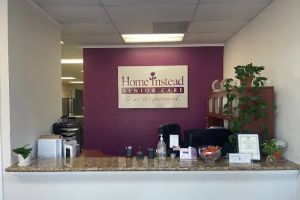
Home Instead, Home Care Services of Rancho Cucamonga
Rancho CucamongaSan Bernardino CountyCalifornia
9213 Archibald Ave, Rancho Cucamonga, CA 91730, USA
1. Medicare and Medicaid Changes
One of the most significant sources of regulation in home care comes from the government, particularly Medicare and Medicaid programs. These programs set forth strict requirements for home care agencies to follow, including changes in reimbursement rates, service eligibility, and reporting requirements. These changes can have a direct impact on how agencies allocate resources and provide services.
2. Labor and Employment Laws
Labor laws are another area where home care agencies are facing increasing regulation. Changes in minimum wage laws, overtime pay, and worker classification standards require agencies to constantly review their staffing and compensation models. Adapting to these regulations is essential to avoid legal issues and ensure fair treatment of employees.
3. Adapting to Compliance Requirements
Compliance with regulations is not just about avoiding penalties – it’s also about ensuring that home care agencies provide the best care for their clients. Adapting to compliance requirements involves both strategic planning and operational adjustments.
1. Updating Policies and Procedures
Agencies must update their policies and procedures to reflect new regulations. This could include updating client intake forms, revising care plans, and ensuring all staff members are familiar with the latest regulatory requirements. Documenting these changes and communicating them to staff is crucial for maintaining compliance.
2. Regular Audits and Assessments
Regular internal audits and assessments can help agencies identify potential compliance issues before they become problems. By proactively reviewing their operations and making necessary adjustments, agencies can stay ahead of changing regulations and reduce the risk of penalties.
4. Technology Integration for Compliance
As regulations become more complex, technology has become a vital tool for home care agencies to ensure compliance. By integrating technology into their operations, agencies can streamline documentation, track compliance requirements, and improve the quality of care provided to clients.
1. Electronic Health Records (EHR) Systems
One of the most important tools for compliance in home care is the Electronic Health Record (EHR) system. EHR systems allow agencies to document and track patient care in real-time, ensuring that records are up-to-date and in compliance with regulatory standards. These systems can also help streamline billing and reimbursement processes, reducing the risk of errors or fraud.
2. Compliance Management Software
Compliance management software can help agencies keep track of the various regulatory requirements they must meet. These tools can automatically generate reports, schedule audits, and send reminders for staff training or policy updates. By using software designed for compliance, home care agencies can stay organized and ensure they’re meeting all necessary regulations.
5. Staff Training and Development
Training is essential for ensuring that staff members understand and can effectively implement new regulations. Agencies must invest in regular staff training to stay compliant and maintain high-quality care standards.
1. Ongoing Education
Ongoing education helps ensure that staff are always informed about the latest regulatory changes and best practices. Many agencies offer online courses, workshops, or seminars to keep their team members up-to-date on compliance issues.
2. Specialized Training for Compliance
For certain regulations, such as those related to patient privacy or medical billing, specialized training may be required. Home care agencies should prioritize these areas to ensure their employees are well-equipped to handle sensitive issues and comply with industry standards.
6. Challenges and Opportunities in Adapting to Regulations
Adapting to changing regulations presents both challenges and opportunities for home care agencies. While navigating new requirements can be time-consuming and costly, there are also opportunities for agencies to improve their services, streamline operations, and gain a competitive edge.
1. Financial Strain
One of the major challenges agencies face is the financial strain that comes with compliance. Updating systems, hiring staff, and ensuring compliance with all regulations can lead to increased operational costs. Agencies must carefully manage these expenses while ensuring that the quality of care is not compromised.
2. Competitive Advantage
Agencies that successfully adapt to regulatory changes can differentiate themselves from competitors by offering enhanced care and better transparency. By staying compliant and embracing new technology, agencies can position themselves as leaders in the industry.
7. Resources for Home Care Agencies to Stay Compliant
There are a variety of resources available to help home care agencies stay compliant with changing regulations. From government websites to industry associations, agencies can find valuable tools and information to guide them through the regulatory process.
1. Government Resources
Government websites such as the Centers for Medicare & Medicaid Services (CMS) and the Department of Health and Human Services (HHS) offer comprehensive guides on compliance requirements and updates to regulations. These resources are invaluable for staying informed and ensuring that all policies are followed correctly.
2. Industry Associations
Industry associations like the Home Care Association of America (HCAOA) and the National Association for Home Care & Hospice (NAHC) provide a wealth of resources for home care agencies. These organizations offer training programs, webinars, and compliance toolkits to help agencies stay on top of industry regulations.
For more advice on running a successful home care agency and staying compliant with regulations, visit HomeCare Hub for expert tips and resources.






 Centurion Home Health Care, Inc.0.0 (0 reviews)
 Danny's Home Health Care of Los Angeles4.0 (25 reviews)
 Maxim Healthcare Orange County, CA Regional Office2.0 (42 reviews)
 Legend Home Health, Inc3.0 (4 reviews)
 Unified Care Providers, Inc. Home Health Care4.0 (14 reviews)
 A-1 Home Care Agency5.0 (10 reviews)
 The Importance of Cultural Competence in Home Care
 How to Transition from Hospital to Home Care
 How to Make Home Exercises Engaging and Safe for Older Adults
 How to Encourage Seniors to Engage With Technology for Health and Socialization
 Tips for Promoting Mental Stimulation Through Games and Puzzles
 How to Make Meal Preparation Easy and Enjoyable for Aging Loved Ones