
- 1-Understanding-Mental-Stimulation
- 2-Benefits-of-Brain-Games-and-Puzzles
- 3-Types-of-Mental-Stimulation-Activities
- 4-Tips-for-Effective-Cognitive-Exercises
- 5-Integrating-Games-into-Daily-Routines
- 6-Real-Life-Examples-and-Success-Stories
- 7-Choosing-the-Right-Games-and-Puzzles
- 8-How-HomeCare-Hub-Can-Support-Brain-Health
1. Understanding Mental Stimulation
Mental stimulation involves engaging the brain in activities that challenge cognitive processes such as memory, attention, problem-solving, and critical thinking. Regular mental exercise supports brain health, helps maintain cognitive function, and may delay age-related decline.
Key points to understand about mental stimulation include:
- It can be achieved through structured exercises like puzzles or brain games.
- Consistent engagement enhances neuroplasticity—the brain’s ability to form new neural connections.
- Mental stimulation complements physical exercise and a healthy lifestyle for optimal cognitive function.
2. Benefits of Brain Games and Puzzles
Incorporating games and puzzles into daily routines offers multiple cognitive advantages:
- Memory Enhancement: Activities like matching games or recall challenges strengthen short-term and long-term memory.
- Problem-Solving Skills: Logic puzzles and strategy games improve analytical thinking and decision-making abilities.
- Focus and Attention: Concentration-based games like Sudoku or chess enhance sustained attention and task management.
- Stress Reduction: Engaging in enjoyable brain activities reduces anxiety and promotes mental relaxation.
3. Types of Mental Stimulation Activities
A variety of games and puzzles can stimulate different cognitive areas:
- Crossword and Word Puzzles: Improve vocabulary and language processing skills.
- Sudoku and Number Puzzles: Strengthen numerical reasoning and logical thinking.
- Memory Matching Games: Enhance recall and visual memory.
- Strategy and Board Games: Chess, checkers, and strategy apps encourage planning, foresight, and adaptive thinking.
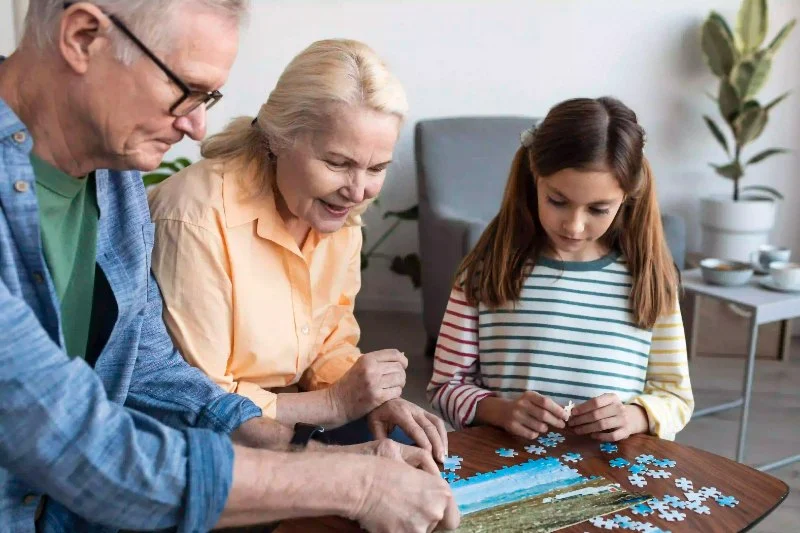
- Creative Puzzles: Jigsaw puzzles, pattern recognition, and problem-solving kits stimulate spatial awareness and creativity.
4. Tips for Effective Cognitive Exercises
- Engage in a variety of games targeting different cognitive skills to avoid monotony.
- Gradually increase complexity to challenge the brain progressively.
- Set specific time blocks for cognitive exercises to ensure consistency.
- Combine social interaction with mental games to enhance engagement and motivation.
- Track progress and celebrate achievements to maintain a positive reinforcement loop.
5. Integrating Games into Daily Routines
Practical strategies for incorporating mental stimulation into everyday life include:
- Scheduling a short brain exercise session in the morning or evening.
- Using travel or break time for mobile brain games or puzzle apps.
- Encouraging family or group puzzle challenges for social and cognitive engagement.
- Mixing digital and physical games for a balanced stimulation approach.
6. Real-Life Examples and Success Stories
Numerous cases highlight the benefits of structured cognitive activities:
- An elderly community in Chicago implemented weekly puzzle clubs, leading to improved memory recall and social interaction among residents.
- A middle-aged professional integrated Sudoku and logic puzzles into daily breaks, reporting enhanced focus and problem-solving at work.
- Families using matching games and strategy board games observed better attention spans and cooperative skills in children.
7. Choosing the Right Games and Puzzles
- Select activities appropriate to age, skill level, and interests to ensure engagement.
- Rotate game types to stimulate various cognitive functions.
- Opt for high-quality materials, well-designed puzzles, or reputable apps with proven cognitive benefits.
- Consult cognitive health guides or platforms like HomeCare Hub for recommendations tailored to personal needs.
8. How HomeCare Hub Can Support Brain Health
HomeCare Hub provides comprehensive resources for mental stimulation:
- Curated lists of games and puzzles targeting specific cognitive skills
- Guides on integrating mental exercises into daily routines
- Expert tips for combining social, physical, and mental activities
- Recommendations for safe, engaging, and effective cognitive tools
By following these tips and leveraging HomeCare Hub’s insights, individuals can promote long-term brain health, improve memory and problem-solving skills, and enjoy mentally stimulating activities with confidence and consistency.






 Angels On Earth Home Health3.0 (2 reviews)
 Care Luxe Home Care5.0 (4 reviews)
 Natashas Home Health Care5.0 (3 reviews)
 Danny's Home Health Care of Los Angeles4.0 (25 reviews)
 HealthView Home Healthcare Services5.0 (15 reviews)
 Affordable Caregivers4.0 (13 reviews)
 How to Make Medication Management Simple and Safe for Elderly Loved Ones
 How to Encourage Older Adults to Pursue New Hobbies and Interests
 The Cost of Home Care: What You Need to Know
 How to Make Your Home Feel Cozy and Inviting
 How to Encourage Healthy Eating Habits in Older Adults
 How to Encourage Older Adults to Stay Socially Active in Small Groups