
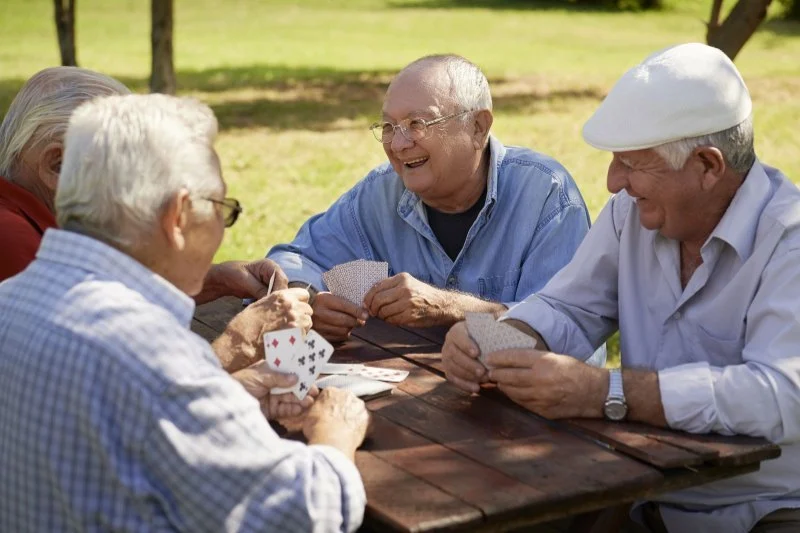
How to Encourage Older Adults to Stay Socially Active in Small Groups
- The Importance of Social Activity for Older Adults
- Challenges for Senior Social Engagement
- Effective Strategies to Encourage Social Activity in Small Groups
- Real-Life Examples of Successful Social Engagement
- HomeCare Hub Recommendations for Enhancing Social Engagement
The Importance of Social Activity for Older Adults
Social activity plays a crucial role in maintaining the mental, emotional, and physical well-being of older adults. Staying socially active helps prevent feelings of isolation, reduces the risk of depression, and enhances overall life satisfaction. Engaging in social interactions, particularly in smaller groups, can help seniors develop strong relationships, feel connected to their community, and stay engaged with the world around them. As we age, social interactions become increasingly important for maintaining cognitive function and emotional resilience.

Comfort Keepers Home Care
Los AngelesLos Angeles CountyCalifornia
1902 Westwood Blvd #214, Los Angeles, CA 90025, USA
Challenges for Senior Social Engagement
While social activity is vital, many older adults face unique challenges that can make it difficult for them to stay socially engaged. Understanding these challenges is the first step in helping seniors maintain a vibrant social life.

1. Physical Limitations
Physical challenges such as mobility issues, chronic pain, or limited energy can make it harder for older adults to participate in large social gatherings or activities that require a lot of physical exertion. Many seniors may avoid socializing because they feel self-conscious about their physical limitations, which can further contribute to isolation.
2. Loss of Friends or Family Members
As people age, they may experience the loss of friends, family members, or close peers, which can lead to feelings of loneliness and grief. This loss can also result in a decreased desire to participate in social activities, especially if the senior feels disconnected from their previous social circles.
3. Technological Barriers
In an increasingly digital world, many social activities are moving online. However, some older adults may face challenges in accessing technology or feel overwhelmed by the learning curve of online platforms. Without the skills to navigate digital spaces, they may miss out on valuable opportunities to connect with others.
Effective Strategies to Encourage Social Activity in Small Groups
Encouraging older adults to stay socially active in small groups requires thoughtful planning and a focus on their individual needs and preferences. Here are some strategies to help engage older adults in meaningful social activities:
1. Create Comfortable and Accessible Spaces
Creating spaces where seniors feel comfortable and safe is essential for encouraging participation. Small groups in familiar, accessible settings such as community centers, local libraries, or even in the home can help older adults feel more at ease. Ensure the environment is senior-friendly with appropriate seating, good lighting, and accessibility features such as ramps or handrails.
2. Offer a Variety of Activities
Different older adults have different interests, so offering a range of activities is key to fostering social engagement. This can include games like bingo or card games, arts and crafts, book clubs, or even cooking classes. It’s important to provide options that allow seniors to choose activities that align with their interests, encouraging them to engage with others in a way that feels enjoyable and comfortable for them.
3. Encourage Peer Mentoring and Volunteering
Encouraging older adults to take on roles that involve helping others, such as mentoring or volunteering, can boost their self-esteem and create a sense of purpose. Older adults often feel valued when they can contribute to the well-being of others, and this can foster deeper social connections with peers who share similar interests or life experiences.
4. Leverage Technology for Virtual Socializing
For seniors who are unable to meet in person due to mobility issues or health concerns, virtual socializing can be a great option. Simple platforms like Zoom or Skype allow older adults to stay connected with friends and family. You can help them set up and learn how to use these tools, making it easier for them to participate in virtual gatherings, family events, or even online interest groups.
5. Incorporate Intergenerational Programs
Bringing together different generations can be an enriching experience for older adults. Intergenerational programs, where seniors interact with younger people, such as students or young professionals, can foster mutual learning and a sense of connection across age groups. These programs can include storytelling, shared meals, or collaborative projects that bring the generations together.
Real-Life Examples of Successful Social Engagement
There are many inspiring examples of older adults staying socially active and engaged in small group settings. For instance, in a community center in Florida, seniors gather weekly for a creative arts program where they make pottery and paintings together. Not only do they bond over their shared passion for art, but they also enjoy the camaraderie that comes with working on a project as a group. “It’s amazing to have a place where we can meet new people and share our talents,” says Gloria, a participant in the program.
Another example comes from a senior living community in California, where residents participate in a monthly book club. This small group of avid readers meets to discuss books and enjoy social interactions, and they even host virtual book discussions with authors. “It’s a wonderful way to stay connected and keep my mind sharp,” says Ted, one of the book club members.
HomeCare Hub Recommendations for Enhancing Social Engagement
If you’re looking for ways to enhance the social engagement of older adults in your life, visit HomeCare Hub for expert recommendations. We offer a variety of resources, from home modifications to activity ideas, to help create an environment that fosters social connections. Our selection includes accessible furniture, community program guides, and online learning tools that can help older adults stay engaged and connected.






 LA Home Healthcare, Inc4.0 (10 reviews)
 Mission Home Health of Irvine2.0 (6 reviews)
 Cerna Home Care | Pasadena0.0 (0 reviews)
 Nova Home Health Inc3.0 (7 reviews)
 Onoria Healthcare Provider Inc4.0 (4 reviews)
 FirstLight Home Care of Whittier4.0 (12 reviews)
 How to Encourage Safe Physical Activity Through Simple Home Exercises
 How to Promote Emotional Well-Being Through Companion and Family Support
 How to Encourage Older Adults to Pursue New Hobbies and Interests
 Tips for Making Home Lighting Safe and Comfortable for Seniors
 Strategies for Encouraging Gentle Yoga and Stretching at Home
 Strategies for Creating Safe Outdoor Spaces That Encourage Activity