
The Importance of Hobbies for Older Adults
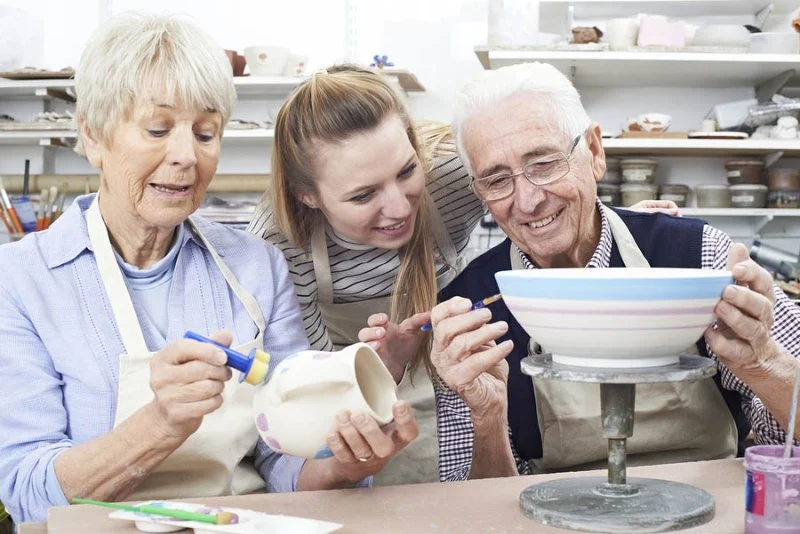
Hobbies are not just pastimes—they’re a critical part of maintaining an active and engaged lifestyle, particularly for older adults. As people age, it’s easy to fall into a routine of passivity, but maintaining hobbies can bring numerous benefits. Whether it's a creative outlet, a way to stay active, or simply a chance to learn something new, hobbies play a pivotal role in enhancing the quality of life for seniors.

1. Mental and Emotional Health Benefits
Engaging in hobbies helps keep the mind sharp and reduces the risk of mental health issues such as depression and anxiety. For older adults, hobbies provide a sense of purpose and can combat feelings of loneliness. Whether it's painting, knitting, or reading, these activities offer emotional satisfaction and can enhance a senior's sense of well-being.

2. Physical Health Benefits
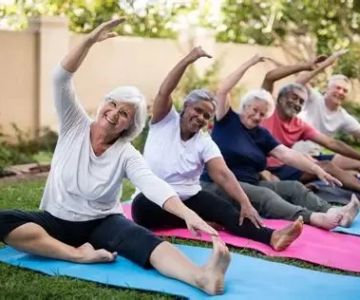
Physical hobbies like gardening, walking, or swimming not only keep the body active but also help improve strength and flexibility. Regular physical activity is vital for seniors to maintain mobility, prevent falls, and enhance their overall physical health.
3. Social Engagement
For many older adults, hobbies provide an opportunity to connect with others. Joining groups or participating in community events centered around shared interests can create lasting friendships and prevent social isolation. Social interaction is essential for maintaining a vibrant and fulfilling life.
Overcoming Barriers to Pursuing New Hobbies
Despite the benefits, there are several challenges that older adults may face when trying to pursue new hobbies. Understanding these barriers is key to providing the right support and encouragement.
1. Physical Limitations
For seniors with physical limitations, engaging in hobbies that require heavy physical activity may seem daunting. However, it’s important to encourage activities that match their abilities. Consider activities that are low-impact yet stimulating, like chair yoga, tai chi, or even seated arts and crafts.
2. Lack of Motivation or Confidence
Some older adults may feel unsure of themselves when it comes to trying something new. They might doubt their abilities or fear that they’re too old to begin learning. As a caregiver, family member, or friend, offering words of encouragement and showing them how to start small can make a huge difference. Remind them that it’s never too late to start something new!
3. Access to Resources
Many older adults face challenges when it comes to finding the resources or opportunities to explore new hobbies. Whether it's financial constraints, limited access to facilities, or lack of transportation, these barriers can prevent seniors from participating. Look into local community programs, senior centers, or online classes that offer low-cost or free options for exploring new interests.
How to Help Older Adults Find New Hobbies
Helping an older adult discover a new hobby starts with exploring their interests and preferences. Here’s how to guide them through the process:
1. Explore Their Interests
Begin by having a conversation with them about what they enjoyed doing in the past. Did they like cooking, arts, or perhaps outdoor activities? Revisiting these past interests can help spark the desire to try something new, like learning a new recipe or joining a local gardening club.
2. Try Online Resources
Today, there are countless online resources that make it easy to try out new hobbies from home. Websites, YouTube tutorials, and apps provide free or low-cost options for learning activities such as photography, language learning, or even digital drawing. These can be particularly appealing to tech-savvy seniors who are comfortable with smartphones or computers.
3. Start with Simple, Low-Cost Hobbies
For many older adults, the thought of investing in expensive equipment can be discouraging. Start with hobbies that require minimal investment, such as writing, photography using a smartphone, or knitting. These hobbies can be enjoyed at home and don’t require a large upfront cost, making them ideal for those on a budget.
4. Join a Local Group or Class
Local community centers, libraries, and senior living communities often offer hobby-related classes for older adults. These can range from art classes to book clubs or fitness sessions. Joining a class not only gives them a chance to learn something new but also offers social interaction with others who share similar interests.
Real-Life Examples of Successful Hobby Transitions
Sometimes, real-life examples can offer inspiration and show what’s possible when seniors embrace new hobbies. Here are a couple of stories that illustrate how pursuing new interests can have a positive impact:
Case 1: Betty’s Love for Painting
At 72, Betty had always admired art but never thought of herself as an artist. After a conversation with her daughter, she enrolled in a local painting class for beginners. Betty’s newfound hobby gave her a creative outlet and a sense of accomplishment. She found joy in expressing herself through art, and her paintings even became a hit with family and friends!
Case 2: John’s Discovery of Gardening
John, a 68-year-old retiree, felt disconnected after leaving his job. After some encouragement from a neighbor, he decided to try his hand at gardening. What started as a few potted plants on his balcony blossomed into a full-fledged hobby. John not only found fulfillment in nurturing his plants but also connected with others in his community through gardening clubs.
The Connection Between Hobbies and Senior Well-being
Encouraging older adults to pursue new hobbies isn’t just about passing time—it’s about fostering a sense of purpose, improving physical and mental health, and maintaining independence. Hobbies keep seniors engaged and allow them to feel a sense of achievement and joy. Whether it’s through learning new skills, meeting new people, or simply staying active, hobbies can greatly enhance the well-being of older adults.
If you’re looking for ideas or resources to help older adults discover new hobbies, check out HomeCare Hub for recommended products, services, and activities designed for seniors. You can find everything from hobby kits to senior-friendly community programs, ensuring that your loved one has everything they need to begin their new journey of discovery.





 BrightStar Care4.0 (117 reviews)
 Mom's Home Care5.0 (22 reviews)
 Ideal Choice Home Health5.0 (7 reviews)
 Orange Coast Home Health5.0 (2 reviews)
 Alternative Health Care LLC0.0 (0 reviews)
 Regency Home Health Care, Inc.0.0 (0 reviews)
 How to Encourage Older Adults to Stay Socially Active Indoors
 Techniques for Encouraging Seniors to Stay Socially Connected in Small Communities
 Tips for Helping Seniors Stay Mentally Stimulated With Puzzles and Games
 Tips for Maintaining Cognitive Health Through Daily Mental Challenges
 How to Safely Incorporate Balance and Strength Training at Home
 Ways to Make Home Care More Personalized and Attentive to Individual Needs