
1. Introduction: The Importance of Balance and Strength Training
When it comes to building a strong and healthy body, strength training is often the first exercise regimen that comes to mind. However, adding balance exercises into your routine is equally important, especially if you're working out at home. Combining both balance and strength training can improve your overall fitness, reduce injury risk, and increase muscle efficiency. Whether you're new to working out or a seasoned fitness enthusiast, it's essential to incorporate both into your home workouts for optimal results.

SoCal Home Health Assistance
Los AngelesLos Angeles CountyCalifornia
11507 Oxnard St #4, North Hollywood, CA 91606, USA
2. Benefits of Combining Balance and Strength Training
Incorporating both balance and strength training into your routine offers a number of health benefits. These include:
- Improved posture and stability: By strengthening core muscles and improving balance, you can improve your posture and reduce your risk of falls.
- Better muscle coordination: Balance exercises improve your body’s ability to move in multiple directions, enhancing coordination and muscle control.
- Injury prevention: Building strength and enhancing balance can protect you from injuries, especially as you age.
- Enhanced athletic performance: Both balance and strength are critical for performance in almost every sport, improving speed, agility, and power.
3. How to Safely Incorporate Balance and Strength Training at Home
When training at home, it's crucial to follow proper safety protocols to prevent injury. Here are some tips for safely incorporating balance and strength training into your home workout routine:

American All Care Services
Los AngelesLos Angeles CountyCalifornia
5150 Wilshire Blvd Suite# 360, Los Angeles, CA 90036, USA
3.1. Start Slow and Build Gradually
If you're new to strength or balance exercises, don’t try to do too much too soon. Start with basic exercises and gradually increase the intensity as you build strength and stability. This will help prevent overexertion and reduce the risk of injury.
3.2. Focus on Proper Form
One of the most important factors in any workout is proper form. Whether you're lifting weights or performing balance exercises, always focus on maintaining the correct posture and alignment. Poor form can lead to unnecessary strain on muscles and joints, increasing your risk of injury.
3.3. Use Support if Needed
When performing balance exercises, use a wall, chair, or other support to help stabilize yourself. As your balance improves, you can reduce your reliance on these supports and perform more challenging moves. Don’t rush the process—balance comes with practice and consistency.
3.4. Incorporate Both Static and Dynamic Balance Exercises
Static balance exercises (such as standing on one leg) help develop basic stability, while dynamic exercises (like lunges or step-ups) engage more muscles and challenge your coordination. Both types of balance exercises are essential for a well-rounded workout routine.
3.5. Include Full-Body Strength Training
Full-body strength training exercises engage multiple muscle groups and improve overall muscle strength. Common exercises include squats, push-ups, lunges, and deadlifts. Incorporating a variety of these exercises will give you a well-rounded workout that targets the entire body.
4. Sample Balance and Strength Exercises to Try at Home
Here are a few exercises that you can easily incorporate into your home routine to work on both balance and strength:
4.1. Standing Leg Raises (Balance)
Stand tall with feet hip-width apart. Slowly raise one leg out in front of you, hold for a few seconds, and then lower it back down. Repeat with the other leg. This simple exercise helps strengthen your core while improving your balance.
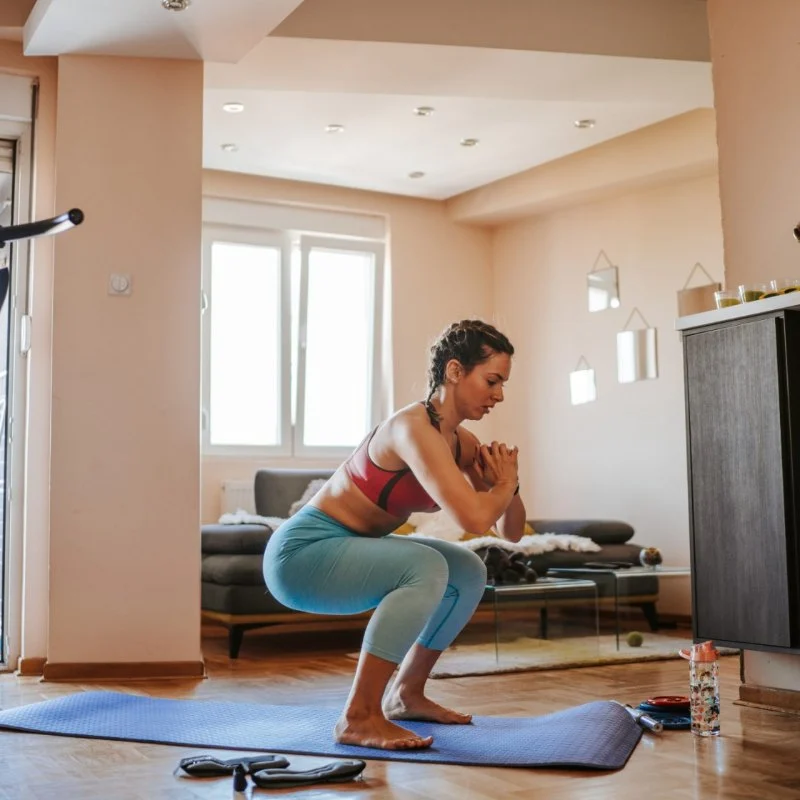
4.2. Squats (Strength)
Stand with feet shoulder-width apart and lower your body into a squat position as if you're sitting down in a chair. Make sure your knees don’t go past your toes. Squats are an excellent full-body exercise that targets your legs, glutes, and core muscles.
4.3. Heel-to-Toe Walk (Balance)
Walk in a straight line by placing your heel directly in front of your toe with each step. This exercise improves balance, coordination, and ankle stability. Start slowly and gradually increase your distance as you get more confident.
4.4. Lunges (Strength and Balance)
Lunges work your legs, glutes, and core while challenging your balance. Step forward with one leg, lowering your hips until both knees are bent at about 90-degree angles. Push off the front leg to return to the starting position and repeat on the other side.
4.5. Plank (Strength and Core Balance)
The plank is a great full-body exercise that strengthens your core, shoulders, and back while also challenging your balance. Start in a push-up position, keeping your body in a straight line from head to heels. Hold the position for 30 seconds or more, making sure to engage your core throughout.
5. Real-Life Example: How Consistency Transformed My Workout Routine
Meet Julia, a busy professional who struggled to find time for exercise. She decided to incorporate balance and strength training into her routine at home. At first, she started with basic exercises like squats and standing leg raises. Over the course of a few months, she gradually increased the difficulty of her workouts, incorporating dynamic balance exercises and more challenging strength moves. Not only did Julia see improvements in her muscle tone, but she also noticed a significant improvement in her balance and overall fitness. Her posture improved, and she felt stronger and more energetic throughout the day. Most importantly, Julia felt more confident in her ability to stay active, no matter how hectic life became.
6. Conclusion: Make Balance and Strength Training Part of Your Routine
Incorporating both balance and strength training into your home workout routine is an excellent way to improve overall fitness and reduce the risk of injury. By following safety guidelines, starting slow, and practicing consistency, you can achieve better stability, strength, and coordination over time. For more information on home fitness products, exercises, and expert advice, visit HomeCare Hub, your one-stop destination for all things fitness-related.




 Bupsy of Santa Monica5.0 (8 reviews)
 Southview Home Care Services0.0 (0 reviews)
 Garden Ville Home Care5.0 (2 reviews)
 Bridge Home Health Inland Empire3.0 (30 reviews)
 Ace Home Care5.0 (12 reviews)
 Longevity and Dignity Homecare4.0 (4 reviews)
 What to Expect from In-Home Care Services | HomeCare Hub
 Understanding the Stages of Alzheimer’s Disease: Early, Middle, and Late
 How to Encourage Seniors to Engage in Light Physical Activity Indoors
 Understanding the Emotional Impact of Aging
 Easy and Safe Home Exercises That Improve Balance and Flexibility in Seniors
 The Benefits of Aromatherapy in Senior Care: Enhancing Well-being and Comfort