
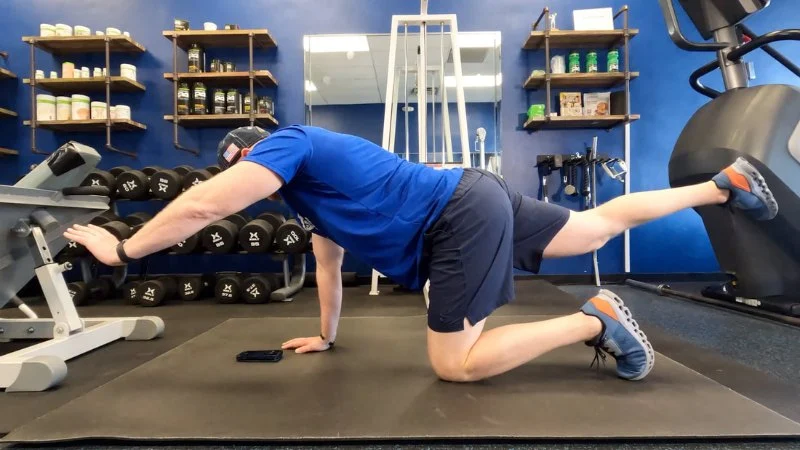
How to Incorporate Balance and Strength Training Safely at Home
- 1. Benefits of Balance and Strength Training
- 2. How to Safely Incorporate Balance and Strength Training at Home
- 3. Beginner-Friendly Balance and Strength Exercises
- 4. Avoiding Common Injuries During Home Workouts
1. Benefits of Balance and Strength Training
Incorporating balance and strength training into your fitness routine offers numerous benefits, especially for those training at home. These exercises not only improve overall strength but also enhance your stability, coordination, and flexibility. Regular training can:
- Increase muscle strength, helping with daily activities.
- Improve posture and balance, reducing the risk of falls.
- Boost flexibility and range of motion.
- Enhance cardiovascular health by engaging multiple muscle groups.
2. How to Safely Incorporate Balance and Strength Training at Home
Training at home offers flexibility and convenience, but it’s important to ensure you’re incorporating balance and strength exercises safely to avoid injury. Here are some tips to make sure your home workouts are effective and safe:

Healing Caregivers, LLC
FullertonOrange CountyCalifornia
1311 S Highland Ave Suite 211, Fullerton, CA 92832, USA
2.1 Start with a Warm-Up
Before engaging in any balance or strength training exercises, always begin with a proper warm-up. This helps to increase blood flow to your muscles and prepare your body for the workout. Simple movements like marching in place, shoulder rolls, or leg swings can help activate key muscle groups.

2.2 Use Proper Form
Focus on proper form during every exercise. This is especially important in strength training exercises like squats or lunges, where improper form can lead to injury. Consider working with a trainer or using instructional videos to ensure you're performing the exercises correctly.
2.3 Progress Gradually
Don’t rush into advanced movements or heavier weights. Start with bodyweight exercises or light resistance and gradually increase the intensity as your body adapts. This ensures you're building strength safely over time.
3. Beginner-Friendly Balance and Strength Exercises
For those new to balance and strength training, it’s important to start with exercises that are manageable and don’t put excessive strain on the body. Here are some beginner-friendly exercises you can incorporate into your routine:
3.1 Chair Squats
Chair squats are a great way to build strength in your lower body while also improving balance. Stand in front of a chair with your feet shoulder-width apart, then bend your knees and lower your body as if you were sitting down, but stop just before your bottom touches the chair. Stand back up and repeat.
3.2 Heel-to-Toe Walk
This simple balance exercise can improve stability. Stand tall, then step forward with one foot, placing the heel of your foot directly in front of the toes of the other foot. Continue walking in a straight line, focusing on maintaining your balance. This exercise strengthens your core and improves coordination.
3.3 Plank
The plank is a great full-body strength exercise that engages your core, arms, and legs. Begin in a push-up position with your forearms on the floor. Keep your body straight from head to heels, hold the position for as long as you can, and then rest. This exercise helps improve both strength and stability.
4. Avoiding Common Injuries During Home Workouts
While home workouts are convenient, they come with a risk of injury if not performed correctly. To prevent injuries, here are some tips:
4.1 Don’t Skip the Warm-Up and Cool-Down
Warming up before a workout and cooling down afterward is crucial for injury prevention. A proper warm-up prepares your muscles and joints, while a cool-down helps to reduce muscle soreness.
4.2 Pay Attention to Your Body
Always listen to your body during workouts. If you feel discomfort or pain, stop the exercise immediately and rest. It’s important to avoid pushing yourself too hard, especially when trying new exercises.
4.3 Use Proper Equipment
If you're using weights or resistance bands, make sure they're in good condition and appropriate for your strength level. Also, ensure that your workout space is free from obstacles to prevent tripping.
By following these safety tips and incorporating beginner-friendly balance and strength exercises into your home workouts, you can effectively improve your fitness without risking injury. For more advice and products that can help enhance your workout routine, visit 【HomeCare Hub】 for the best equipment and services!






 Bupsy of Santa Monica5.0 (8 reviews)
 Southview Home Care Services0.0 (0 reviews)
 Garden Ville Home Care5.0 (2 reviews)
 Bridge Home Health Inland Empire3.0 (30 reviews)
 Ace Home Care5.0 (12 reviews)
 Longevity and Dignity Homecare4.0 (4 reviews)
 What to Expect from In-Home Care Services | HomeCare Hub
 Understanding the Stages of Alzheimer’s Disease: Early, Middle, and Late
 How to Encourage Seniors to Engage in Light Physical Activity Indoors
 Understanding the Emotional Impact of Aging
 Easy and Safe Home Exercises That Improve Balance and Flexibility in Seniors
 The Benefits of Aromatherapy in Senior Care: Enhancing Well-being and Comfort