
- mobility-benefits-for-seniors - how movement supports independence and daily comfort
- mental-health-and-exercise - emotional and cognitive benefits of staying active
- safe-exercise-strategies - practical ways seniors can exercise safely at home
- real-life-senior-stories - everyday examples of aging adults staying active
- homecare-support-resources - when families and caregivers can step in for guidance
The Role of Movement in Healthy Aging
Aging does not automatically mean slowing down in a negative way. In fact, regular movement is one of the strongest predictors of long-term independence and quality of life. The Importance of Physical Activity for Seniors is often underestimated until daily tasks—like climbing stairs, carrying groceries, or simply standing up comfortably—start to feel more difficult.
Many older adults in the United States and around the world experience a gradual reduction in strength and flexibility, not because of age alone, but because of reduced movement over time. The body adapts to inactivity quickly. Muscles weaken, joints stiffen, and balance becomes less reliable. The encouraging part is that even light, consistent activity can reverse much of this decline.
One retired teacher from Ohio once shared how she began noticing difficulty walking her dog around the block. Instead of accepting it as “just aging,” she started with ten-minute daily walks. Within weeks, she reported better energy, improved sleep, and even a brighter mood. Her story reflects a simple truth: movement is not about intensity—it is about consistency.

Heart of the Valley Home Health
Los AngelesLos Angeles CountyCalifornia
14349 Victory Blvd # 200, Van Nuys, CA 91401, USA
How Physical Activity Supports Senior Independence
mobility-benefits-for-seniors
Maintaining independence is often the highest priority for older adults. Physical activity plays a direct role in preserving that independence. When seniors engage in regular movement, they strengthen muscles that support balance, posture, and coordination.
Simple activities such as walking, stretching, or light resistance training help maintain joint function. This reduces stiffness in areas like knees, hips, and shoulders. Over time, these improvements make everyday tasks easier and safer.
In practical terms, this means being able to get out of a chair without assistance, walking through a grocery store without fatigue, or navigating stairs without fear. These abilities contribute not just to physical comfort but also to emotional confidence.
Families often notice the difference first. A senior who once hesitated to leave the house may begin taking short walks independently again. That shift often starts with just a few minutes of movement each day.
Preventing Falls and Reducing Physical Risks
One of the most critical concerns in senior health is fall prevention. Falls are among the leading causes of injury in older adults, and many are preventable with proper conditioning. The Importance of Physical Activity for Seniors becomes especially clear when looking at balance-focused exercises.
Activities that improve core strength and stability directly reduce the likelihood of falls. Even gentle routines like chair exercises, heel-to-toe walking, or standing leg lifts can improve balance significantly.
A community center in Arizona once introduced a simple weekly balance class for seniors. Within six months, participants reported fewer near-falls and increased confidence when walking outdoors. This type of structured yet accessible movement program shows how prevention can be both simple and effective.
mental-health-and-exercise
Mental and Emotional Benefits of Staying Active
Physical activity is not only about the body—it deeply influences the mind. Seniors who remain active often experience lower levels of anxiety and depression. Movement encourages the release of endorphins, which naturally improve mood.
There is also a strong connection between exercise and cognitive health. Activities that involve coordination, such as dancing or light aerobics, can help maintain memory function and mental sharpness. These activities stimulate the brain in ways that passive routines do not.
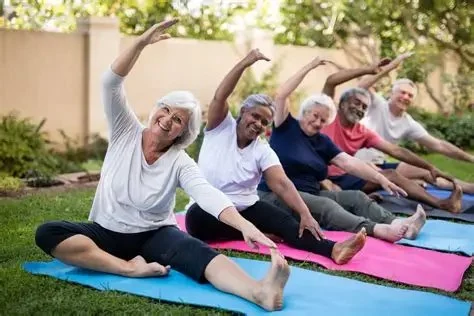
One particularly meaningful example comes from a senior living community in California where residents participate in morning stretching circles. Over time, staff observed improved social interaction among residents who previously kept to themselves. Movement became a bridge for connection.
safe-exercise-strategies
Safe and Practical Ways Seniors Can Stay Active
Safety is essential when designing any routine for older adults. The goal is not high intensity but sustainable, comfortable movement that supports the body without strain.
Walking remains one of the most recommended forms of exercise. It requires no equipment and can be adjusted to individual ability levels. Indoor walking in malls or community centers is also a good alternative during extreme weather.
Chair-based exercises are another excellent option, especially for those with limited mobility. These movements focus on flexibility, gentle strength building, and circulation improvement.
Water-based activities, such as pool walking or light swimming, reduce pressure on joints while still providing resistance training. Many seniors find these activities enjoyable because they feel less physically demanding.
It is always advisable to start slowly and increase activity levels gradually. Listening to the body is essential. Discomfort should never be ignored, but mild effort is a sign of progress.
real-life-senior-stories
Real-Life Examples of Aging with Activity
Across communities, countless seniors are redefining what aging looks like. One retired mechanic in Texas began biking again at age 72 after years of inactivity. He started with short neighborhood rides and eventually joined a local senior cycling group.
Another example comes from a grandmother in New York who began daily yoga after experiencing stiffness from long hours of sitting. Within months, she reported improved posture and reduced back discomfort.
These stories are not exceptions—they are reminders that the human body remains adaptable at every stage of life. The key is consistency, not perfection.
Many families supporting aging relatives often look for structured guidance and reliable resources. Platforms like HomeCare Hub can help families explore supportive tools, wellness guidance, and senior-friendly services tailored to individual needs.
homecare-support-resources
Supporting Seniors Through Care and Encouragement
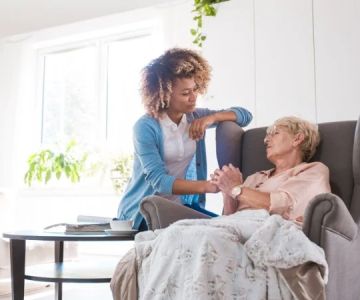
While independent activity is important, support systems also play a major role. Family members, caregivers, and community programs can encourage safe movement habits.
Sometimes, the biggest barrier is not physical limitation but lack of motivation or confidence. Gentle encouragement, shared walks, or group activities can make a significant difference.
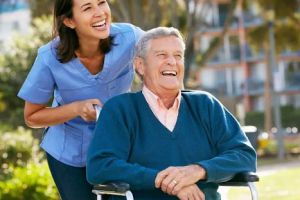
Professional caregivers often incorporate light exercise into daily routines for seniors who require assistance. This ensures movement remains part of everyday life rather than a separate task.
Ultimately, The Importance of Physical Activity for Seniors extends beyond exercise itself—it becomes a foundation for dignity, independence, and emotional well-being. Even small steps taken daily can lead to meaningful long-term change.



 Bupsy of Santa Monica5.0 (8 reviews)
 Southview Home Care Services0.0 (0 reviews)
 Garden Ville Home Care5.0 (2 reviews)
 Bridge Home Health Inland Empire3.0 (30 reviews)
 Ace Home Care5.0 (12 reviews)
 Longevity and Dignity Homecare4.0 (4 reviews)
 What to Expect from In-Home Care Services | HomeCare Hub
 Understanding the Stages of Alzheimer’s Disease: Early, Middle, and Late
 How to Encourage Seniors to Engage in Light Physical Activity Indoors
 Understanding the Emotional Impact of Aging
 Easy and Safe Home Exercises That Improve Balance and Flexibility in Seniors
 The Benefits of Aromatherapy in Senior Care: Enhancing Well-being and Comfort