
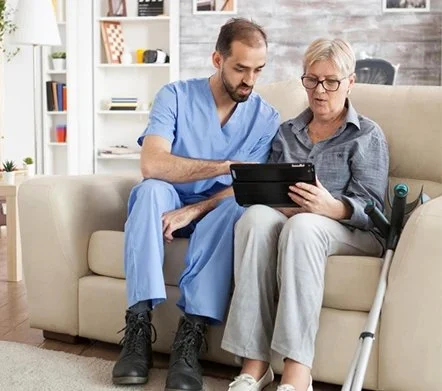
Ways to Make Home Care More Personalized and Attentive to Individual Needs
Home care can be a wonderful solution for individuals who need assistance while maintaining their independence. However, in order to provide the highest quality of care, it’s important that care services are tailored to each individual’s unique needs. In this article, we’ll explore ways to make home care more personalized, ensuring that it’s not only effective but also attentive to the preferences and lifestyle of those receiving care.

Narvista Home Health agency
GlendaleLos Angeles CountyCalifornia
421 Arden Ave, Glendale, CA 91203, USA
1. Understanding the Importance of Personalized Care
Personalized care goes beyond just meeting basic needs; it involves recognizing and addressing the individual’s specific preferences, habits, and cultural considerations. When care is personalized, it leads to better physical, emotional, and mental well-being. Personalized care can increase patient satisfaction, improve their quality of life, and even contribute to faster recovery times. This is particularly important for seniors, individuals with chronic conditions, or those recovering from surgery or illness.

Level Home Health, Inc.
PasadenaLos Angeles CountyCalifornia
260 S Los Robles Ave Suite 101, Pasadena, CA 91101, USA
2. Conducting Detailed Assessments of Needs
One of the first steps in providing personalized home care is conducting a detailed assessment of the individual’s needs. This assessment should be comprehensive, covering:
- Physical health: Understanding any physical limitations or medical conditions that require attention.
- Emotional needs: Taking into account how the individual feels about receiving care and their social interactions.
- Personal preferences: Considering things like preferred routines, dietary habits, and daily activities.
- Cultural and religious considerations: Respecting beliefs and customs that are important to the individual.
By gathering this information, caregivers can develop a care plan that is customized to the person’s unique needs and preferences.
3. Building Strong Care Plans
A well-structured care plan is essential for personalized home care. The care plan should be flexible, allowing for adjustments as the person’s needs change. A strong care plan will address all areas of life, including:
- Daily routines: Establishing routines that respect the individual’s lifestyle, including wake-up times, meals, and preferred activities.
- Medication management: Ensuring medications are taken at the correct times and in the right dosages.
- Social interaction: Encouraging social activities that promote emotional health, such as visits from family or participation in community events.
- Physical therapy and exercise: Including activities to maintain or improve mobility and strength.
The care plan should be updated regularly based on ongoing assessments of the person’s condition and feedback from both the individual and their caregivers.
4. Integrating Family and Friends in Care
Family and friends play a key role in personalized home care. Involving loved ones in the care process helps ensure that the individual’s emotional and social needs are met. Encourage regular family visits, phone calls, or video chats, as these connections can provide comfort and reassurance. Family members may also have valuable insights into the person’s preferences and needs that can help caregivers provide better care. Additionally, family members can help with tasks that require more personal involvement, such as assisting with mobility or engaging in hobbies.
5. Using Technology for Personalized Care
In today’s digital world, technology can play an important role in enhancing personalized home care. There are a variety of tools that can help caregivers and family members stay connected, monitor health conditions, and even provide entertainment for the individual. Some useful technologies include:
- Health monitoring devices: Wearable devices that track vital signs like heart rate, sleep patterns, and activity levels.
- Telehealth services: Virtual visits with healthcare professionals to monitor health and provide advice.
- Caregiver apps: Apps that help caregivers manage schedules, medications, and daily tasks.
- Virtual reality (VR): VR tools that provide immersive experiences, such as virtual travel or guided exercises.
Integrating technology into home care can make life easier for both the person receiving care and the caregiver, while also making it possible to provide more individualized attention.
6. Selecting the Right Caregivers for Individual Needs
Choosing the right caregivers is one of the most important decisions when providing personalized care. The caregiver should be not only skilled and knowledgeable but also compassionate and attentive to the individual’s specific needs. When selecting a caregiver, consider factors such as:
- Experience: The caregiver should have experience working with individuals who have similar health conditions or needs.
- Compatibility: It’s important that the caregiver and the individual are compatible in terms of personality and communication style.
- Training: Caregivers should be trained in proper techniques for managing health conditions, administering medications, and providing emotional support.
Taking the time to find the right caregiver can greatly improve the quality of care and ensure that the person’s needs are met in a personalized and respectful way.






 24 Seven Care5.0 (1 reviews)
 Homewatch CareGivers of Huntington Newport Beach4.0 (29 reviews)
 Arosa San Gabriel Valley5.0 (29 reviews)
 TheKey - Senior Home Care5.0 (6 reviews)
 Wise Home Health, Inc.0.0 (0 reviews)
 FirstLight Home Care of Glendale & Burbank4.0 (26 reviews)
 Tips for Supporting Older Adults in Maintaining Mental Sharpness
 Legal Rights and Protections for Family Caregivers in the U.S.
 How to Build Emotional Resilience in Seniors Facing Life Transitions - HomeCare Hub
 How to Encourage Older Adults to Stay Socially Active in Small Groups
 How to Encourage Older Adults to Take Regular Breaks and Rest Properly
 The Importance of Staying Active: Exercises for Seniors