
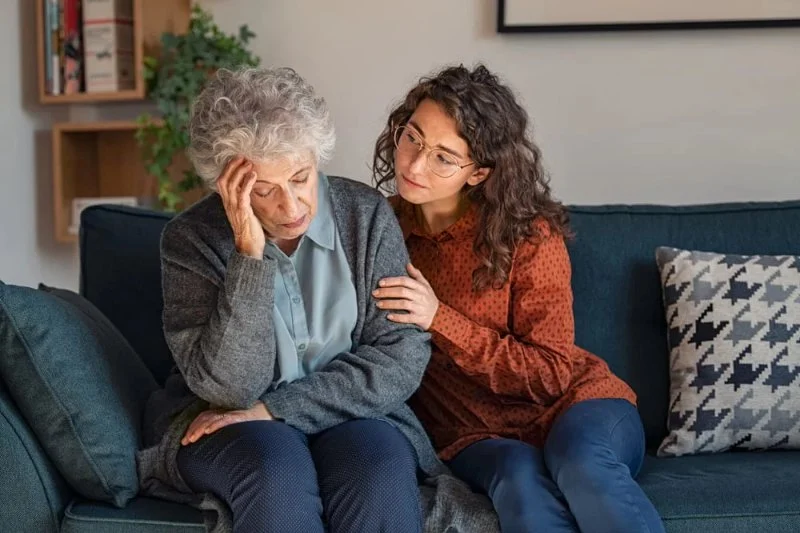
How to Build Emotional Resilience in Seniors Facing Life Transitions
- 1 - Understanding Emotional Resilience in Seniors
- 2 - Common Life Transitions Faced by Seniors
- 3 - Strategies to Build Emotional Resilience in Seniors
- 4 - The Role of Caregivers in Building Resilience
- 5 - How HomeCare Hub Can Support Seniors Facing Life Transitions
1 - Understanding Emotional Resilience in Seniors
Emotional resilience refers to the ability to cope with and adapt to life's challenges, particularly in times of stress or adversity. For seniors, emotional resilience is crucial as they navigate life transitions such as retirement, the loss of a loved one, or health issues. Building resilience helps seniors manage these changes with a positive outlook, reducing feelings of anxiety and depression.
Resilience is not an inherent trait but a set of skills and coping strategies that can be developed over time. It involves recognizing emotions, maintaining a sense of purpose, and having a support system. Seniors who are emotionally resilient are better equipped to face challenges and continue to lead fulfilling lives, even in the face of adversity.
2 - Common Life Transitions Faced by Seniors
Seniors often encounter significant life transitions, which can challenge their emotional resilience. These changes can be both physical and psychological, requiring adjustment and adaptability. Some of the most common transitions include:
- Retirement: Leaving a lifelong career can bring about feelings of loss, lack of purpose, and uncertainty about the future.
- Health Changes: Aging often comes with physical limitations and health challenges, which may cause seniors to feel a loss of independence or confidence.
- Loss of Loved Ones: The death of a spouse, family member, or close friend can leave seniors feeling lonely, grieving, or unsure of their place in the world.
- Moving to Assisted Living: Transitioning from an independent living arrangement to a senior community or assisted living facility can be emotionally overwhelming.
- Loss of Financial Security: A decrease in financial stability due to retirement or medical expenses can increase stress and anxiety in seniors.
These transitions are often intertwined with complex emotions, which is why building emotional resilience is so important. Seniors who develop coping strategies during these times can manage change with greater ease and mental stability.

Comfort Caregiving
Los AngelesLos Angeles CountyCalifornia
811 Wilshire Blvd suite 1746, Los Angeles, CA 90017, USA
3 - Strategies to Build Emotional Resilience in Seniors
Building emotional resilience in seniors requires a combination of mental, physical, and social strategies. Here are some key approaches:
- Encourage Social Connections: Isolation can diminish resilience, so seniors should be encouraged to maintain and build social relationships. Regular socializing can offer emotional support and prevent loneliness.
- Promote Physical Activity: Physical exercise is linked to better emotional health. Activities like walking, yoga, or swimming can help seniors feel better both physically and mentally, boosting their resilience.
- Foster a Positive Mindset: Teach seniors to reframe negative thoughts and focus on the positives in life. Practices such as gratitude journaling can help shift perspectives and foster resilience.
- Set Small Goals: Helping seniors set small, manageable goals can give them a sense of purpose and accomplishment. Achieving these goals can boost confidence and improve emotional well-being.
- Provide Emotional Support: Active listening, empathy, and emotional validation from caregivers or family members can help seniors cope with emotional challenges and feel understood.
By integrating these strategies into daily life, seniors can gradually build emotional resilience and improve their ability to cope with the inevitable transitions of aging.
4 - The Role of Caregivers in Building Resilience
Caregivers play a crucial role in helping seniors build emotional resilience. Their presence and support can significantly impact how seniors navigate life transitions. Here’s how caregivers can contribute:
- Provide a Listening Ear: Sometimes, simply being there to listen can help a senior process their emotions and feel validated in their experiences.
- Encourage Independence: Caregivers should empower seniors by encouraging them to make decisions about their daily lives, which boosts confidence and resilience.
- Offer Emotional Support: Offering reassurance during difficult transitions can help seniors maintain a positive outlook. Caregivers can also assist with counseling or therapy referrals if needed.
- Ensure Access to Resources: Caregivers can connect seniors with support groups, therapy, or local community activities that help foster socialization and emotional growth.
In addition, caregivers can help create routines that introduce healthy habits such as regular physical activity, nutritious meals, and adequate rest, all of which contribute to emotional stability.
5 - How HomeCare Hub Can Support Seniors Facing Life Transitions
At HomeCare Hub, we understand the challenges seniors face when going through life transitions. Our platform provides resources, expert advice, and recommendations for services that support emotional resilience and overall well-being in seniors.
Whether you’re looking for caregiving services, emotional support resources, or products that enhance quality of life, HomeCare Hub is here to help. We offer comprehensive guides on building resilience, connecting with local services, and fostering an environment of emotional growth for seniors during challenging times.
Visit HomeCare Hub today for personalized support and to find the best resources for you or your loved one as they navigate life transitions with strength and resilience.






 Zinnia Home Care Wellness0.0 (0 reviews)
 LA Remedy5.0 (1 reviews)
 Care Luxe Home Care5.0 (4 reviews)
 Premier Senior Care, LLC0.0 (0 reviews)
 Narvista Home Health agency5.0 (7 reviews)
 Home Hemo Professional, LLC4.0 (2 reviews)
 Easy Gardening Activities That Promote Physical and Mental Health for Older Adults
 Tips for Supporting Seniors With Emotional Health Challenges
 How to Create a Relaxing Outdoor Space for Seniors at Home
 How to Provide Emotional Support to Dementia Patients
 Tips for Making Household Chores Fun and Safe for Seniors
 Tips for Supporting Seniors With Chronic Health Conditions