

1. Introduction: Why Staying Active Matters for Seniors
As we age, maintaining an active lifestyle becomes even more important for our overall well-being. Physical activity helps seniors maintain their independence, manage chronic conditions, and enhance mental and emotional health. Unfortunately, many seniors face challenges that can make staying active more difficult, such as limited mobility, pain, or lack of motivation. However, with the right exercises, seniors can improve strength, flexibility, and balance, all of which are essential for maintaining a high quality of life.
2. The Key Benefits of Staying Active for Seniors
2.1. Improved Physical Health
Regular physical activity is one of the most effective ways to reduce the risk of many chronic diseases, including heart disease, diabetes, and arthritis. For seniors, exercise helps improve cardiovascular health, maintain healthy bones and joints, and enhance muscle strength. It also supports weight management, which is crucial for reducing the strain on the heart and joints.
2.2. Enhanced Mental and Emotional Well-being
Physical activity is not just beneficial for the body; it also plays a critical role in mental health. Exercise helps release endorphins, often referred to as "feel-good" hormones, which can reduce feelings of stress, anxiety, and depression. Regular movement can also improve sleep patterns, reduce cognitive decline, and increase energy levels.
2.3. Better Balance and Mobility
One of the most significant concerns for seniors is the risk of falling, which can lead to serious injuries. Regular exercises that improve balance, coordination, and flexibility are essential for fall prevention. Strengthening core muscles and improving posture also play a key role in enhancing mobility, which can help seniors stay active and independent for longer.
3. Top Exercises for Seniors to Stay Active
3.1. Walking: A Low-Impact and Accessible Exercise
Walking is one of the best forms of exercise for seniors because it is low-impact and can be done almost anywhere. It strengthens the heart, improves circulation, and helps maintain mobility. For seniors who have joint pain or arthritis, walking is a gentle exercise that can be adapted to fit individual needs. Starting with short walks and gradually increasing the distance can help build stamina and endurance over time.
3.2. Chair Yoga: A Gentle Way to Improve Flexibility
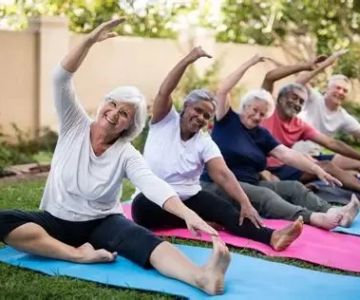
Chair yoga is an excellent way for seniors to improve flexibility, balance, and strength without putting excessive strain on the body. It involves modified yoga poses that can be performed while sitting in a chair or using the chair for support. Chair yoga can help seniors stretch, relax, and increase their range of motion, all while reducing the risk of injury.
3.3. Strength Training: Building Muscle to Prevent Frailty
As we age, we naturally lose muscle mass, which can lead to frailty and weakness. Strength training exercises, such as lifting light weights or using resistance bands, can help seniors build and maintain muscle. These exercises should focus on major muscle groups, including the legs, arms, and core. Strength training helps improve mobility, balance, and posture, and can even reduce the risk of falls.
3.4. Swimming: A Joint-Friendly Full-Body Workout
For seniors with joint pain or arthritis, swimming is an ideal form of exercise. The water provides buoyancy, which reduces the impact on joints, while still offering a full-body workout. Swimming helps improve cardiovascular health, muscle strength, and flexibility, all while being gentle on the body. Many senior communities offer water aerobics classes, which are an excellent option for seniors looking to stay active in a social setting.
4. Tips for Staying Motivated to Exercise as a Senior
4.1. Set Realistic Goals
Setting small, achievable goals can help seniors stay motivated and build confidence. Whether it’s walking an extra 10 minutes each day or attending a weekly yoga class, setting goals provides a sense of accomplishment and encourages continued progress.
4.2. Find a Workout Buddy
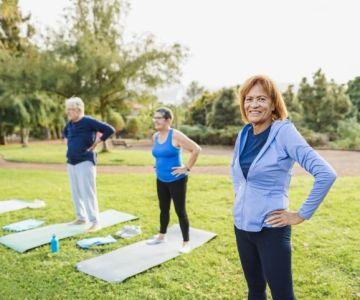
Exercising with a friend or family member can make the experience more enjoyable and help seniors stay committed to their routine. Having a workout buddy provides accountability, encouragement, and social interaction, which is especially important for seniors who may experience isolation.
4.3. Make Exercise Fun
Finding activities that seniors enjoy is key to staying active. Whether it’s dancing, gardening, or participating in a community fitness class, making exercise fun can help seniors stay engaged. Mixing up exercises and trying new activities can also prevent boredom and keep things exciting.
5. Conclusion: Staying Active is Key to Aging Well
For seniors, staying active is not just about fitness – it’s about maintaining independence, improving quality of life, and enhancing overall health. With the right exercises and a positive mindset, seniors can continue to lead fulfilling lives while staying physically and mentally fit. At HomeCare Hub, we provide resources and products to help seniors live their best lives. Whether you’re looking for exercise equipment, mobility aids, or other senior-friendly products, we can guide you to the best options for staying active and healthy.




 Loved One Comfort Care0.0 (0 reviews)
 Senior Helpers5.0 (26 reviews)
 TheKey - Formerly 123 Home Care5.0 (2 reviews)
 AACE Home Care Inc.5.0 (10 reviews)
 Century City Concierge Nursing5.0 (5 reviews)
 A Love 4 Homecare,Inc5.0 (3 reviews)
 The Importance of Physical Activity for Seniors and Healthy Aging
 The Impact of Staffing Shortages on Home Care Services | HomeCare Hub
 The Role of Music Therapy in Dementia Care
 How to Encourage Seniors to Engage With Technology for Health and Socialization
 Tips for Promoting Mental Stimulation Through Games and Puzzles
 Tips for Promoting Healthy Eating Habits in Older Adults