
- the-role-of-music-therapy-in-dementia-care—why-sound-and-memory-are-connected
- the-role-of-music-therapy-in-dementia-care—how-professionals-use-structured-techniques
- the-role-of-music-therapy-in-dementia-care—stories-that-show-its-impact
- the-role-of-music-therapy-in-dementia-care—understanding-benefits-for-caregivers-and-families
- the-role-of-music-therapy-in-dementia-care—practical-guidance-and-where-to-find-support
1. Why Sound and Memory Are Deeply Connected
When we talk about dementia care in the United States, one topic that consistently surprises families is the powerful effect music can have on memory, mood, and engagement. Music therapy goes far beyond simply playing someone’s favorite songs; it taps into neural pathways linked to emotional recall, long-term memory, and rhythm processing—areas of the brain that often remain active even when other cognitive functions decline.
Researchers have noted that rhythm and melody stimulate parts of the brain that remain resilient during the progression of dementia. This is why individuals who no longer speak fluidly may suddenly hum familiar tunes or tap their feet when they hear a melody from their past. For many American families, this becomes a gateway to reconnecting with loved ones, especially during moments when verbal communication feels nearly impossible.
Understanding this connection is the foundation of effective music therapy. It's also why professional caregivers and families across the U.S. are increasingly integrating structured music-based activities into daily routines. When done thoughtfully, music becomes far more than entertainment—it becomes a therapeutic tool that awakens memory, reduces anxiety, and creates emotional grounding.

Better In Home Care
GlendaleLos Angeles CountyCalifornia
611 N Brand Blvd Suite 1300, Glendale, CA 91203, USA
2. How Professionals Use Structured Techniques
Certified music therapists in the United States use a broad framework that blends psychology, neuroscience, and patient-centered care. Their goal is not just to evoke memories but to support cognitive stimulation, improve emotional well-being, and encourage social interaction. These methods are especially relevant for dementia patients, whose needs often change day to day.
FirstLight Home Care of Whittier
WhittierLos Angeles CountyCalifornia
7901 Painter Ave # 1, Whittier, CA 90602, USA
2.1 Rhythmic Entrainment and Motor Response
This technique helps synchronize movement with rhythm. For example, some therapists use steady beats to assist individuals with walking, stretching, or improving fine motor skills. In dementia care facilities, rhythmic exercises have helped patients maintain mobility longer and reduce agitation during physical transitions.
2.2 Personalized Playlists Based on Life History
Therapists often work with families to build playlists rooted in meaningful moments—wedding songs, childhood hymns, cultural music, or the artist someone once adored. This approach supports emotional recall and comfort, helping patients feel grounded even when surroundings seem unfamiliar. Many caregivers say these personalized sessions lead to brief but beautiful moments of clarity.
2.3 Active Participation Through Singing and Instrument Use
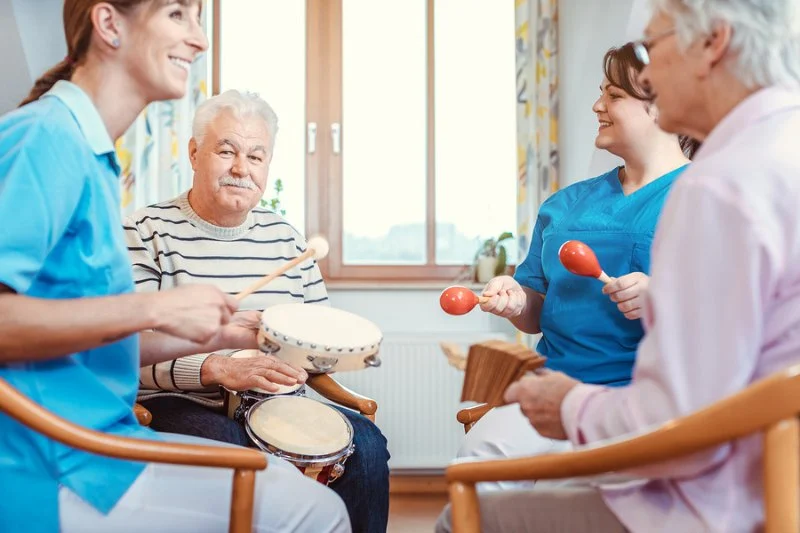
Whether it’s simple percussion instruments or guided vocal sessions, active participation builds a sense of agency. Patients who struggle to speak may find that singing gives them a way to express themselves. In group settings, this technique also boosts social connection and reduces feelings of isolation—two challenges that are common in dementia care environments across the U.S.
3. Stories That Show Its Impact
Real-life experiences shared online often highlight the emotional strength of music therapy. One well-known viral story involved an elderly American ballet dancer with advanced dementia who suddenly regained graceful upper-body movements when listening to Swan Lake—years after stepping away from the stage. This moment resonated with families everywhere, showing how deeply musical memory can endure.
Another frequently referenced case described a former jazz musician who barely spoke until a therapist played a recording from his early career. He began tapping rhythms on his chair, then unexpectedly joined in humming the tune. For his family, it was the first sign of engagement they had seen in weeks.
These moments don’t “cure” dementia, but they do provide something equally important: connection, presence, and emotional stability. In a caregiving landscape often filled with uncertainty, these moments can be transformative for both patients and loved ones.
4. Understanding Benefits for Caregivers and Families
Music therapy isn’t only beneficial for the individual experiencing dementia—it also supports caregivers and families navigating their own emotional challenges. In the U.S., where many families act as primary caregivers, the strain can be overwhelming. Music-based sessions provide structure, engagement, and moments of relief that help sustain long-term caregiving relationships.
4.1 Reducing Behavioral Symptoms
Music therapy has shown measurable effects on reducing agitation, aggression, pacing, and sundowning behaviors. These improvements lessen caregiver stress and help establish calmer routines, especially during evening hours when symptoms often intensify.
4.2 Strengthening Emotional Connection
Even when cognitive decline progresses, music often becomes a shared language. For caregivers, seeing a loved one respond with a smile or recognize a familiar melody can restore emotional closeness. These small but meaningful interactions help families maintain dignity and compassion during challenging phases of the disease.
4.3 Creating Predictable Comfort Rituals
Many families use music to build daily comfort rituals—morning playlists for energy, soft classical tracks for calming evenings, or culturally familiar songs for grounding. These rituals create emotional stability for both patient and caregiver, improving the overall caregiving experience.
5. Practical Guidance and Where to Find Support
Incorporating music therapy into dementia care doesn’t require a professional degree, although trained therapists certainly bring specialized benefits. Families can start small: choosing familiar songs, creating playlists around meaningful moments, or encouraging gentle participation through humming or tapping.
For those seeking personalized support, professional home care agencies in the U.S. increasingly include music-based programs in their dementia services. Platforms such as HomeCare Hub help families explore local care options, products, and supportive services that align with their loved one’s unique needs. This makes it easier to match therapeutic approaches—like music-centered activities—with overall care plans.
By combining clinical understanding with heartfelt personal interaction, music therapy becomes one of the most human-centered tools available in dementia care. When chosen thoughtfully and used consistently, it enriches daily routines and strengthens emotional ties in ways that traditional methods often cannot achieve.






 Caring Hands Home Care0.0 (0 reviews)
 A Better Solution In Home Care Burbank5.0 (11 reviews)
 Comfort Keepers Home Care4.0 (6 reviews)
 Families Choice Home Care4.0 (11 reviews)
 Asana Home Care5.0 (1 reviews)
 Golden Years Home Health Inc3.0 (16 reviews)
 How to Encourage Seniors to Participate in Family Events and Activities
 How to Encourage Daily Physical Activity: Simple Home Exercises for Better Health
 How Virtual Reality is Used in Dementia Therapy
 How to Navigate the Complexities of Caregiving for a Loved One
 How to Safely Introduce Technology for Entertainment and Communication
 How to Improve Your Focus and Concentration During Tae Kwon Do Practice