
- How to Manage Stress and Anxiety in Older Adults
- 1. Understanding Stress and Anxiety in Older Adults
- 2. Why Stress and Anxiety Are Common in Older Adults
- 3. The Impact of Stress and Anxiety on Older Adults' Health
- 4. Strategies for Managing Stress and Anxiety in Older Adults
- 5. Lifestyle Changes to Reduce Stress and Anxiety in Older Adults
- 6. Explore Resources with HomeCare Hub
How to Manage Stress and Anxiety in Older Adults
As we age, managing stress and anxiety becomes an increasingly important part of maintaining our overall well-being. For older adults, stress and anxiety can have a profound impact on physical and mental health. In this article, we’ll explore the common causes of stress and anxiety in older adults, how these conditions can affect health, and practical strategies to help manage these challenges effectively. Additionally, we will provide tips for fostering a calmer and more balanced lifestyle for seniors.

Visiting Angels Senior Home Care San Pedro
Los AngelesLos Angeles CountyCalifornia
870 W 9th St #201, San Pedro, CA 90731, USA
1. Understanding Stress and Anxiety in Older Adults
Stress and anxiety are natural responses to life's pressures, but they can become more pronounced as we age. For older adults, the combination of physical changes, social isolation, and mental health challenges can heighten stress levels, leading to persistent anxiety. Understanding the root causes of stress and anxiety in older adults is the first step in finding effective solutions.

1.1. Common Stress Triggers in Older Adults
Some of the most common stress triggers for older adults include health problems, financial concerns, the loss of loved ones, and changes in living situations. Transitioning to retirement, losing independence, or coping with chronic illness can all contribute to heightened levels of stress and anxiety in seniors.
1.2. Emotional and Mental Health Factors
Older adults may experience anxiety due to a fear of losing their cognitive abilities, concerns about aging, or feelings of loneliness. Cognitive decline, such as memory loss or difficulty concentrating, can also amplify feelings of anxiety and stress. It’s important to address both the emotional and mental health aspects when managing these conditions.
2. Why Stress and Anxiety Are Common in Older Adults
As people age, their bodies and minds go through various changes that can contribute to stress and anxiety. These changes, combined with life’s challenges, can make older adults more vulnerable to these issues.
2.1. Physical Health Changes
Chronic health conditions like arthritis, heart disease, and diabetes are common among older adults and can contribute to stress. Dealing with multiple medications, frequent doctor visits, or declining mobility can create a constant low-level stress that builds over time.
2.2. Social Isolation
Many older adults experience social isolation, either due to the loss of friends and family or limited mobility. This isolation can cause feelings of loneliness, leading to anxiety and depression. Maintaining social connections and finding ways to engage with others is vital for mental well-being.
2.3. Loss of Independence
Losing independence as we age, whether it's the ability to drive or perform daily tasks, can lead to feelings of helplessness and anxiety. This loss of autonomy can be particularly challenging for seniors who have always been self-reliant.
3. The Impact of Stress and Anxiety on Older Adults' Health
Chronic stress and anxiety can have significant consequences on the physical and mental health of older adults. These conditions not only impact daily functioning but can also contribute to the development of serious health issues.
3.1. Physical Health Complications
Prolonged stress and anxiety can contribute to a number of health issues, including high blood pressure, heart disease, and digestive problems. Stress has also been linked to weakened immune systems, making older adults more susceptible to illness and slower recovery times.
3.2. Cognitive Decline
Chronic anxiety can accelerate cognitive decline in older adults. Studies have shown that prolonged stress can impair memory and increase the risk of dementia and other cognitive disorders. Managing stress can play an important role in maintaining mental sharpness.
3.3. Impact on Sleep
Stress and anxiety often lead to sleep disturbances, such as insomnia or restless sleep. Lack of quality sleep can exacerbate both physical and mental health problems, making it even harder for older adults to manage stress effectively.
4. Strategies for Managing Stress and Anxiety in Older Adults
There are many effective strategies for managing stress and anxiety, ranging from lifestyle changes to professional interventions. By incorporating these strategies, older adults can improve their quality of life and reduce the negative impact of stress on their health.
4.1. Regular Exercise
Physical activity is one of the most effective ways to reduce stress and anxiety. Even simple activities like walking, yoga, or stretching can help release tension and improve mood. Exercise releases endorphins, the body’s natural stress relievers, which promote a sense of well-being.
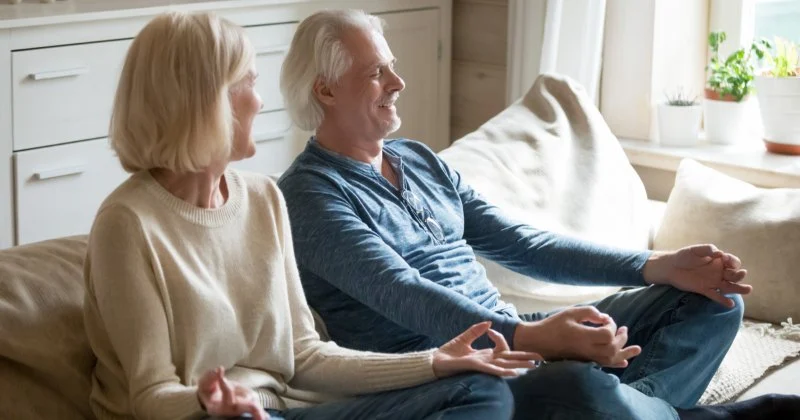
4.2. Meditation and Mindfulness
Practices such as meditation, deep breathing exercises, and mindfulness can help older adults calm their minds and reduce feelings of anxiety. These practices encourage relaxation and help individuals become more aware of their thoughts and emotions, leading to better stress management.
4.3. Social Support
Encouraging regular social interaction with family, friends, or support groups is essential for managing stress. Isolation can make anxiety worse, so finding opportunities for older adults to connect with others can significantly improve their emotional well-being.
4.4. Professional Therapy
For older adults struggling with severe stress or anxiety, speaking with a mental health professional can be incredibly beneficial. Cognitive-behavioral therapy (CBT) and other therapeutic methods can provide tools to better cope with anxiety and stress.
5. Lifestyle Changes to Reduce Stress and Anxiety in Older Adults
In addition to therapeutic methods, certain lifestyle changes can make a significant difference in how older adults experience stress and anxiety.
5.1. Healthy Diet
A balanced diet rich in vitamins, minerals, and antioxidants can help reduce stress and improve overall health. Omega-3 fatty acids, found in fish like salmon, have been shown to reduce anxiety and promote a sense of calm.
5.2. Adequate Sleep
Ensuring that older adults get enough quality sleep is crucial for managing stress. Good sleep hygiene practices, such as maintaining a consistent sleep schedule and creating a relaxing bedtime routine, can help alleviate anxiety and improve overall health.
5.3. Managing Time Effectively
Overcommitting and taking on too many responsibilities can lead to stress. Encourage older adults to prioritize activities and set realistic goals for themselves. Time management and a balanced lifestyle can help reduce feelings of overwhelm.
6. Explore Resources with HomeCare Hub
If you're looking for additional support or products to help manage stress and anxiety for older adults, visit HomeCare Hub. We offer a wide range of resources, from mental health services to products designed to improve relaxation and comfort. Explore our offerings today to find the perfect solutions for your loved ones.






 American Homecare Health Services2.0 (3 reviews)
 Home Instead4.0 (53 reviews)
 Forever Ways Care5.0 (7 reviews)
 Immaculate Hearts of Mary Care1.0 (1 reviews)
 Silver Peaks Home Care & Placement4.0 (9 reviews)
 24 Hour Home Care4.0 (24 reviews)
 The Importance of Self-Care for Family Caregivers: How to Stay Healthy While Caring for Loved Ones
 How to Budget for Home Care: Tips for Families – Planning for the Best Care
 The Role of Music Therapy in Dementia Care: Enhancing Well-being and Quality of Life
 How to Use Positive Reinforcement to Support Healthy Habits in Seniors
 Strategies for Supporting Seniors With Chronic Conditions Through Lifestyle Adjustments
 The Role of Music Therapy in Dementia Care