
- -The Rise of Robotics in Home Care
- -How Robotics Enhances Elderly Care and Independent Living
- -Key Examples of Robotic Innovations in Home Healthcare
- -The Benefits and Challenges of Robotics in Home Care
- -What the Future Holds for Robotics in Home Healthcare
1. The Rise of Robotics in Home Care
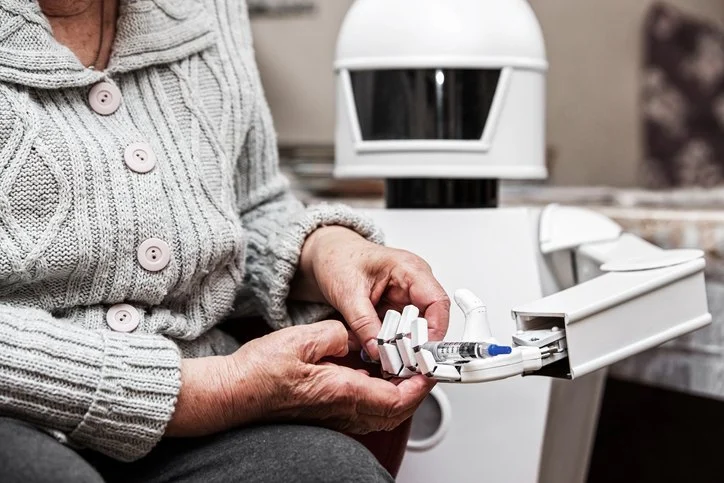
Robotics is rapidly transforming various industries, and home care is no exception. With the aging population and increasing demand for in-home healthcare services, robotics is stepping in to provide innovative solutions. These robotic systems not only assist healthcare professionals but also help individuals maintain their independence while receiving the necessary care in the comfort of their homes.
The advancements in robotic technology are enabling new forms of assistance, from robots that can help with daily tasks to those designed specifically for elderly care. These innovations are improving the quality of life for patients, providing families with peace of mind, and helping healthcare providers deliver more efficient services. The future of home care is undoubtedly influenced by robotics, and it’s only a matter of time before these technologies become commonplace in homes across the world.

2. How Robotics Enhances Elderly Care and Independent Living
One of the most impactful areas of home care where robotics is making a significant difference is elderly care. With a growing number of seniors opting to age in place, robotic technologies are being developed to assist with a variety of needs, from mobility to medication management. Here’s how robotics is helping the elderly maintain their independence and quality of life:

Home Sweet Home Care Services, Inc.
TorranceLos Angeles CountyCalifornia
3812 Sepulveda Blvd #355, Torrance, CA 90505, USA
1. Robotic Assistants for Daily Tasks
Many robots are designed to assist with simple daily tasks, such as picking up objects, opening doors, or even helping individuals get out of bed. These tasks, though seemingly simple, can be challenging for elderly individuals with mobility issues or physical disabilities. Robotic assistants can provide much-needed help, making it easier for seniors to live independently without requiring constant assistance from caregivers.
2. Medication Management Robots
One of the challenges faced by seniors is remembering to take medications on time. Robotics has stepped in with automated medication dispensers and reminder systems. These systems can provide timely reminders to take medication, dispense the right doses, and even alert caregivers or family members if a dose is missed. This technology ensures that seniors stay on top of their health regimen, reducing the risk of medication errors and improving overall health outcomes.
3. Robotic Companions
Social isolation is a major concern for the elderly, especially those who live alone. Robotic companions, such as social robots, are being developed to provide interaction, companionship, and emotional support. These robots are designed to engage in conversation, play games, and even monitor the well-being of their human companions, helping reduce feelings of loneliness and isolation.
3. Key Examples of Robotic Innovations in Home Healthcare
Several robotic systems are already being integrated into home care settings, offering tangible benefits for patients and caregivers alike. Here are a few key examples of robotic innovations that are making waves in home healthcare:
1. The ElliQ Robot
The ElliQ robot is designed to be a companion for elderly individuals, helping them stay engaged and connected with the world. ElliQ can remind users to take their medication, provide news updates, and even make video calls to family members. Its purpose is to alleviate loneliness while also offering practical assistance in daily life.
2. The Robear Robot
Developed in Japan, the Robear robot is a caregiving robot that assists with lifting and transferring patients. This robot can help caregivers move patients safely from beds to chairs or other locations, reducing the risk of injury for both the patient and the caregiver. While still in the experimental phase, Robear represents the future of robotic assistance in home healthcare.
3. Medication Dispensing Robots
Robotic medication dispensers, such as the MedMinder system, help manage medication schedules for patients. These systems provide visual and audible reminders, and some even have automated dispensing functions to ensure that patients take the correct medications at the right times, greatly reducing the chances of missed or incorrect doses.
4. The Benefits and Challenges of Robotics in Home Care
While robotics in home care holds great potential, it also comes with its own set of benefits and challenges. Understanding these can help us navigate the future of home healthcare more effectively.
1. Benefits of Robotics in Home Care
Robotics offers numerous advantages, such as increased independence for seniors, reduced strain on caregivers, and the ability to provide care remotely. For elderly individuals, robots can provide physical support, emotional companionship, and assistance with healthcare tasks, improving their overall quality of life. For caregivers, robots can ease the burden of physical labor and help manage daily tasks, allowing more time for personal care.
2. Challenges of Robotics in Home Care
Despite the many benefits, there are challenges to implementing robotics in home care. High costs, limited accessibility, and the need for training are some of the hurdles that must be overcome. Additionally, there are concerns about privacy and data security, especially when robots are collecting sensitive health information. Finally, while robots can assist with many tasks, they cannot replace human care, especially in situations that require emotional support or critical decision-making.
5. What the Future Holds for Robotics in Home Healthcare
The future of robotics in home healthcare is incredibly promising. As technology continues to advance, we can expect robots to become even more integrated into the daily lives of elderly individuals and those with special needs. We’ll likely see more affordable and accessible robotic solutions, as well as further developments in AI and machine learning that will make robots smarter and more capable of handling complex tasks.
Additionally, as more families and healthcare providers recognize the potential of robotics, it’s likely that adoption rates will rise, making robotic assistance a standard part of home care. This will lead to improved outcomes, greater independence for patients, and a better quality of life for millions of people worldwide.
If you're looking to explore the latest innovations in home healthcare technology, visit HomeCare Hub for the best products and services to support your loved ones' health and well-being at home.






 Grace Affordable Senior Care5.0 (1 reviews)
 Narvista Home Health agency5.0 (7 reviews)
 Comfort Paradise Home Care Agency5.0 (26 reviews)
 Titanium Healthcare5.0 (1 reviews)
 VIP Home Care Services0.0 (0 reviews)
 Garden Ville Home Care5.0 (2 reviews)
 The Role of Technology in Enhancing Senior Care
 How to Support Seniors in Maintaining Independence During Daily Tasks
 How Technology is Improving Medication Management for Seniors
 Ideas for Creating a Comfortable and Stimulating Living Environment for Seniors
 What to Expect from In-Home Care Services
 How to Encourage Safe Physical Activity Through Simple Home Exercises