
- 1 - The Importance of Safe Physical Activity
- 2 - Benefits of Simple Home Exercises
- 3 - Types of Exercises for Safe Physical Activity
- 4 - Common Mistakes to Avoid While Exercising at Home
- 5 - Creating a Safe and Effective Exercise Routine
1 - The Importance of Safe Physical Activity
Physical activity is a vital part of maintaining overall health, but safety should always be the top priority, especially when exercising at home. It's essential to choose exercises that are suitable for your fitness level and to follow proper techniques to avoid injuries. Encouraging safe physical activity helps individuals stay active without putting unnecessary strain on the body.
2 - Benefits of Simple Home Exercises
Exercising at home can be incredibly convenient and effective for individuals of all ages and fitness levels. Some key benefits of simple home exercises include:
2.1 Convenience
Home exercises allow you to work out on your schedule, without the need for a gym membership or commute. You can easily fit in a quick workout between tasks or at your convenience.
2.2 Cost-Effective
There’s no need for expensive gym memberships or equipment. Many home exercises require little to no equipment, such as bodyweight exercises like push-ups, squats, and lunges.
2.3 Safety
When you exercise at home, you can control the environment and tailor your workouts to your specific needs. There’s no pressure to keep up with others, and you can gradually increase the intensity of your workouts as you get stronger.
3 - Types of Exercises for Safe Physical Activity
There are various types of exercises that can be done at home to encourage safe physical activity. Let’s explore some of the best options for beginners and advanced fitness enthusiasts alike:
3.1 Bodyweight Exercises
Bodyweight exercises are a great starting point for safe and effective workouts. They require no equipment and can be modified to suit any fitness level. Popular bodyweight exercises include:
- Push-ups
- Squats
- Lunges
- Planks
- Bridges
3.2 Low-Impact Workouts
For those looking for less intense options or for individuals with joint issues, low-impact exercises are a great choice. These exercises help improve strength and flexibility while minimizing the risk of injury. Some examples include:
- Walking or marching in place
- Yoga or Pilates
- Swimming (if available)
- Gentle stretching exercises
3.3 Strength Training
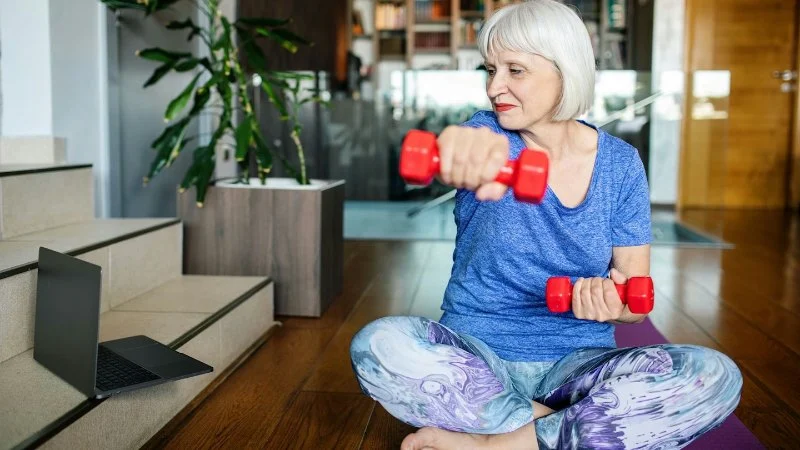
Strength training is essential for building muscle and improving metabolism. Home-based strength training can be done using resistance bands, dumbbells, or even household items like water bottles or bags of rice. Some strength exercises to consider are:
- Resistance band squats
- Wall push-ups
- Dumbbell curls
4 - Common Mistakes to Avoid While Exercising at Home
While exercising at home offers many benefits, there are common mistakes that can lead to injury or hinder progress. Here are a few to watch out for:
4.1 Skipping Warm-Ups and Cool-Downs
Neglecting to warm up before exercise or cool down afterward can result in muscle strain or discomfort. Warm-ups help increase blood flow to the muscles, and cool-downs allow the body to gradually return to its resting state.
4.2 Overexerting Yourself
It’s important to listen to your body and not push yourself too hard. Overexerting can lead to fatigue, soreness, or injury. Start with manageable exercises and gradually increase intensity as you get stronger.
4.3 Poor Form and Technique
Exercising with poor form can lead to unnecessary strain on joints and muscles, increasing the risk of injury. Always focus on maintaining proper technique and form, and if needed, consult a fitness professional for guidance.
5 - Creating a Safe and Effective Exercise Routine
Creating a consistent exercise routine is key to reaping the benefits of physical activity while staying safe. Here’s how to develop an effective workout plan:
5.1 Start with Simple Exercises
For beginners, it’s essential to start with simple exercises and gradually increase difficulty over time. Focus on building strength, flexibility, and stamina with basic movements like squats, push-ups, and stretches.
5.2 Incorporate Variety
A well-rounded exercise routine includes a combination of cardio, strength training, and flexibility exercises. This helps prevent boredom and allows you to work different muscle groups for balanced fitness.
5.3 Set Realistic Goals
Setting achievable goals can help you stay motivated and track your progress. Whether it’s improving endurance, losing weight, or gaining strength, break your goals into manageable steps and celebrate your achievements along the way.





 Lotus In-Home Care5.0 (10 reviews)
 Eyanu Health Services5.0 (2 reviews)
 TheKey - Senior Home Care4.0 (62 reviews)
 Magnus Care5.0 (5 reviews)
 FirstLight Home Care of Pasadena and San Gabriel4.0 (59 reviews)
 South Bay Home Health Care - Service & Repair4.0 (15 reviews)
 The Role of Technology in Enhancing Senior Care
 How to Create a Morning Routine That Energizes Aging Loved Ones
 How Arts, Crafts, and Music Can Enhance Daily Life for Seniors
 Tips for Maintaining Cognitive Health Through Daily Mental Challenges
 How to Encourage Seniors to Explore New Skills and Interests Safely
 How to Budget for Home Care: Tips for Families