
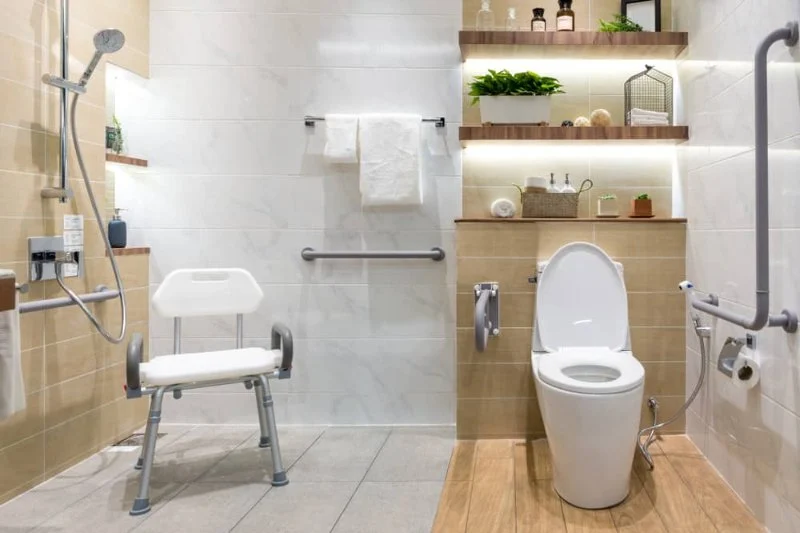
How to Make Home Bathrooms Safer and More Comfortable for Seniors
- 1. Why Bathroom Safety is Crucial for Seniors
- 2. Common Bathroom Hazards for Seniors
- 3. Key Modifications for Senior-Friendly Bathrooms
- 4. Accessibility and Comfort Tips for Seniors
- 5. When to Seek Professional Help for Bathroom Modifications
1. Why Bathroom Safety is Crucial for Seniors
The bathroom is one of the most dangerous rooms in the house for seniors. With slippery surfaces, hard-to-reach fixtures, and potential for falls, it’s essential to ensure that this space is as safe and comfortable as possible. Accidents in the bathroom can lead to serious injuries, especially for older adults who may have balance issues, reduced mobility, or underlying health conditions.
By making the bathroom more accessible and reducing potential hazards, you can significantly improve a senior's quality of life. Modifications can not only prevent accidents but also make the bathroom a more enjoyable and relaxing space for seniors to use independently. In this article, we'll explore essential tips and modifications that can make bathrooms safer and more comfortable for older adults.

Sierra Healthcare Partners
Los AngelesLos Angeles CountyCalifornia
2060 Marengo St, Los Angeles, CA 90033, USA
2. Common Bathroom Hazards for Seniors
Before making improvements, it's crucial to understand the common hazards that seniors face in the bathroom. Addressing these hazards is the first step in creating a safer environment:
Right at Home
Santa MonicaLos Angeles CountyCalifornia
1750 14th St ste a, Santa Monica, CA 90404, USA
2.1 Slippery Floors
Wet and slippery floors are one of the top causes of falls in the bathroom. Water from showers, baths, or sinks can create hazardous conditions, especially if the floor lacks traction.
2.2 High Bathtubs and Showers
Climbing over the edge of a bathtub or standing in a slippery shower can be difficult for seniors, especially those with limited mobility or balance problems. Getting in and out of these areas can lead to dangerous falls or muscle strains.
2.3 Poor Lighting
Poor lighting can make it difficult for seniors to navigate the bathroom safely, increasing the risk of accidents. Shadows and dark corners can hide obstacles and make tasks like shaving or applying makeup challenging.
2.4 Lack of Supportive Grab Bars
Without proper support, seniors may struggle to stand up from the toilet, enter or exit the shower, or maintain their balance. Grab bars are essential for providing the necessary support in critical areas like the shower, tub, and toilet.
3. Key Modifications for Senior-Friendly Bathrooms
Now that we understand the common hazards, let's explore the key modifications that can make bathrooms safer for seniors:
3.1 Install Non-Slip Flooring
To prevent slips and falls, it's essential to replace slippery bathroom floors with non-slip options like textured vinyl, rubber, or slip-resistant tiles. Consider adding slip-resistant rugs or mats in areas that might still get wet, such as near the sink or tub.
3.2 Replace the Bathtub with a Walk-In Shower
A high bathtub can be difficult for seniors to step over, especially when wet. Replacing a traditional bathtub with a walk-in shower is a game-changer. Low-threshold or barrier-free showers allow seniors to easily step in and out, reducing the risk of tripping or falling.
3.3 Install Grab Bars and Handrails
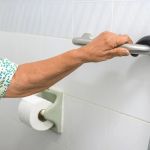
Grab bars are a must-have for seniors. Install them in key locations like the shower, bathtub, and toilet. These bars provide crucial support when getting in and out of the tub or standing up from the toilet. Ensure that the grab bars are sturdy, easy to grip, and positioned at the correct height.
3.4 Upgrade Lighting
Good lighting is essential for visibility and safety. Install bright, glare-free lights that illuminate all areas of the bathroom, including the shower and bath. Motion-sensing lights or night lights are also great additions, ensuring that seniors can see clearly during nighttime bathroom visits without having to fumble for switches.
4. Accessibility and Comfort Tips for Seniors
Making the bathroom not only safe but also comfortable is just as important. These accessibility and comfort tips will help create a space that promotes relaxation and ease of use:
4.1 Use Elevated Toilet Seats
To make it easier for seniors to sit and stand, consider installing an elevated toilet seat. These seats add height, reducing the strain on knees and joints, making the toilet more comfortable to use. You can also add armrests for added support when getting up.
4.2 Adjustable Showerheads
Install an adjustable showerhead with a handheld option. This allows seniors to sit while showering and still be able to adjust the water flow to their preference. Handheld showerheads also make it easier to bathe and rinse areas that are difficult to reach.
4.3 Add a Comfortable Bath Bench
A bath bench or shower chair provides a safe place for seniors to sit while bathing or showering. It’s particularly helpful for seniors with limited mobility or those who feel unsteady while standing. Many benches are foldable and can be easily stored when not in use.
4.4 Consider a Heated Floor
Heated bathroom floors are a luxurious addition, especially during colder months. Warm floors provide comfort and make the bathroom experience more enjoyable. They also help prevent slipping by keeping the floor dry and warm.
5. When to Seek Professional Help for Bathroom Modifications
While many bathroom modifications can be done on your own, some changes may require the expertise of a professional. If you're unsure about how to install grab bars, make plumbing adjustments for a walk-in shower, or need specialized support for unique needs, it’s best to consult with a contractor or bathroom specialist. Additionally, a healthcare professional or occupational therapist can assess the bathroom and recommend specific modifications based on your senior’s needs.
For those looking for the best bathroom safety products and modifications for seniors, check out HomeCare Hub for reliable recommendations on products like grab bars, non-slip flooring, and accessible shower systems.




 Amada Senior Care4.0 (56 reviews)
 Recoup Home Health5.0 (3 reviews)
 Cristina’s Private Caregiver5.0 (1 reviews)
 Loving Homecare Inc5.0 (37 reviews)
 Jameco Home Health Agency Inc2.0 (4 reviews)
 Regency Home Health Care, Inc.0.0 (0 reviews)
 What to Expect from In-Home Care Services | Comprehensive Guide
 Strategies for Creating Safe Outdoor Spaces That Encourage Activity
 How to Build Emotional Resilience in Seniors Facing Life Transitions - HomeCare Hub
 How to Provide Emotional Support to Dementia Patients
 Tips for Making Home Bathrooms Safer and More Comfortable for Seniors
 How to Make Daily Hygiene Routines More Comfortable and Respectful