
- -Understanding Chronic Pain in Older Adults-#understanding-chronic-pain
- -Physical Approaches to Pain Management-#physical-approaches
- -Mental and Emotional Strategies-#mental-emotional-strategies
- -Lifestyle Adjustments for Better Comfort-#lifestyle-adjustments
- -Case Studies: Seniors Successfully Managing Pain-#case-studies
- -Implementing a Comprehensive Pain Management Plan-#comprehensive-plan
- -Resources and Support from HomeCare Hub-#homecare-hub-support
1. Understanding Chronic Pain in Older Adults
Chronic pain is a prevalent issue among seniors, affecting mobility, mental health, and overall quality of life. It can result from conditions like arthritis, neuropathy, or post-surgical recovery. Understanding the underlying causes and individual experiences of pain is essential before implementing management strategies.
Many seniors rely heavily on medications, including opioids or NSAIDs, which can have side effects or risk of dependency. Exploring non-medication approaches allows older adults to maintain independence while effectively managing pain.

Help Line Home Health
Los AngelesLos Angeles CountyCalifornia
16200 Ventura Blvd, Encino, CA 91436, USA
2. Physical Approaches to Pain Management
Physical methods play a key role in reducing chronic pain:
24 Hour Caregivers - Sherman Oaks Home Care Services
Los AngelesLos Angeles CountyCalifornia
13701 Riverside Dr, Sherman Oaks, CA 91423, USA
2.1 Therapeutic Exercise
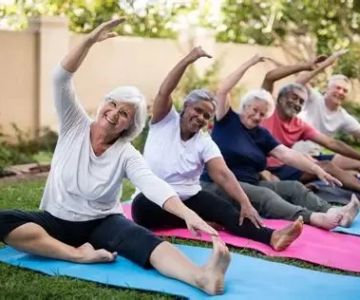
Low-impact activities such as walking, swimming, and stretching improve flexibility, strength, and circulation. Exercise releases endorphins, the body’s natural painkillers, and helps reduce inflammation. Seniors should consult healthcare providers before starting new routines to ensure safety and appropriateness.
2.2 Physical Therapy
Professional physical therapy targets specific pain areas, corrects posture, and improves joint function. Techniques may include resistance training, balance exercises, and hands-on manipulation to alleviate discomfort.
2.3 Heat and Cold Therapy
Applying heat pads or cold compresses can provide temporary relief for joint and muscle pain. Alternating heat and cold helps reduce inflammation while increasing blood flow and relaxing muscles.
2.4 Massage and Manual Therapies
Massage can decrease muscle tension, improve circulation, and enhance relaxation. Licensed massage therapists trained in senior care can adapt pressure and techniques to individual comfort levels.
3. Mental and Emotional Strategies
Pain management is not only physical—mental and emotional approaches are crucial:
3.1 Mindfulness and Meditation
Mindfulness practices help seniors focus on the present moment, reducing the perception of pain and stress. Techniques such as guided meditation, deep breathing, and progressive muscle relaxation are effective non-medication interventions.
3.2 Cognitive Behavioral Therapy (CBT)
CBT helps seniors reframe negative thoughts related to chronic pain, develop coping strategies, and address anxiety or depression linked to persistent discomfort. Telehealth platforms now make CBT accessible from home.
3.3 Support Groups and Social Engagement
Participating in support groups provides emotional validation and practical tips from peers. Engaging socially reduces isolation, which can exacerbate the experience of pain.
4. Lifestyle Adjustments for Better Comfort
Everyday habits significantly influence chronic pain management:
4.1 Balanced Nutrition
A diet rich in anti-inflammatory foods—fruits, vegetables, omega-3 fatty acids—can help reduce pain and improve energy levels. Hydration and maintaining a healthy weight also reduce strain on joints and muscles.
4.2 Sleep Optimization
Poor sleep amplifies pain perception. Seniors can benefit from consistent sleep schedules, comfortable bedding, and relaxation routines before bedtime to enhance restorative rest.
4.3 Ergonomic Adjustments
Using supportive chairs, cushions, and adaptive devices minimizes strain during daily activities. Small modifications, such as grab bars in bathrooms or non-slip mats, enhance comfort and safety.
4.4 Gentle Hobbies and Engagement
Activities like gardening, reading, or light crafts keep seniors mentally stimulated while avoiding stress on painful joints. Incorporating enjoyable activities supports overall wellbeing and distracts from discomfort.
5. Case Studies: Seniors Successfully Managing Pain
Real-life examples illustrate the effectiveness of non-medication strategies:
Case 1: Mrs. Allen, Age 76
Mrs. Allen suffers from osteoarthritis in her knees. She incorporated low-impact swimming, yoga, and heat therapy into her routine. Over several months, she reported reduced pain, improved mobility, and decreased reliance on NSAIDs.
Case 2: Mr. Patel, Age 80
Mr. Patel experienced chronic back pain. By combining CBT sessions, mindfulness exercises, and gentle resistance training, he gained better pain control. His sleep improved, and he was able to participate in community activities without discomfort.
Case 3: Ms. Robinson, Age 82
Ms. Robinson manages neuropathic pain through ergonomic adjustments at home, massage therapy, and engagement in arts and crafts. Regular social interactions with her support group helped reduce stress and enhanced her quality of life.
6. Implementing a Comprehensive Pain Management Plan
Effective chronic pain management for seniors often requires a multi-faceted plan:
- Assessment by healthcare professionals to determine the underlying causes of pain
- Integration of physical, mental, and lifestyle strategies tailored to the individual
- Regular monitoring of progress and adjustments to interventions
- Inclusion of caregivers and family members to support adherence and encouragement
Combining approaches reduces reliance on medication, minimizes side effects, and promotes sustained wellness.
7. Resources and Support from HomeCare Hub
HomeCare Hub provides seniors and families with access to tools, guidance, and services to manage chronic pain effectively without over-reliance on medication:
- Expert guides on non-medication pain relief techniques
- Connections to licensed physical therapists, mental health professionals, and wellness coaches
- Resources for creating ergonomic home environments and adaptive solutions
- Support communities and educational materials to engage seniors in holistic health practices
By leveraging HomeCare Hub, families can develop comprehensive, safe, and sustainable pain management plans. Empowering seniors with a combination of physical therapy, mindfulness, lifestyle adjustments, and social engagement ensures better long-term health outcomes and enhanced quality of life.




 GrandCare Health Services4.0 (727 reviews)
 Human Touch Home Health3.0 (2 reviews)
 Tremendous Care5.0 (10 reviews)
 Forever Ways Care5.0 (7 reviews)
 Home Instead4.0 (8 reviews)
 Home Hemo Professional, LLC4.0 (2 reviews)
 How to Make Home Environments More Stimulating and Engaging for Seniors
 Strategies for Creating a Safe and Enjoyable Outdoor Space for Older Adults
 Success Story: Managing Chronic Illness with Home Care
 The Benefits of Aromatherapy in Senior Care: Enhancing Well-being and Comfort
 How to Safely Introduce Technology for Entertainment and Communication
 How to Support Seniors in Maintaining Independence During Illness or Recovery