
How to Make Home Environments More Stimulating and Engaging for Seniors
- Why Stimulating Environments are Essential for Seniors
- Designing Physical Spaces for Engagement
- Providing Mental Stimulation for Seniors
- Fostering Social Interaction and Connectivity
- Where to Find Resources for Senior Home Care Products
1. Why Stimulating Environments are Essential for Seniors
As we age, staying engaged and active becomes crucial for maintaining physical and mental well-being. For seniors, a stimulating home environment can help prevent cognitive decline, reduce feelings of loneliness, and improve overall quality of life. When home environments are enriching, seniors are more likely to stay active, engaged, and emotionally fulfilled.
In fact, research shows that seniors who live in stimulating environments experience better mental health and increased independence. Engaging surroundings encourage seniors to participate in activities that promote both cognitive and physical health, whether that’s reading, puzzles, or even light physical activity like stretching or gardening. This engagement helps keep their minds sharp, boosts their mood, and promotes physical mobility, which is vital for aging well.

People's Care
Chino HillsSan Bernardino CountyCalifornia
13920 City Center Dr #290, Chino Hills, CA 91709, USA
2. Designing Physical Spaces for Engagement
Creating a physical space that encourages engagement and exploration is essential for seniors. Here are some design ideas to make their living spaces more stimulating:
- Incorporate natural light: Natural light has been shown to improve mood, regulate sleep, and provide a sense of connection to the outside world. Ensure that the home has plenty of windows, or consider adding skylights or light tubes to brighten up spaces. For areas with limited natural light, use soft lighting and warm colors to create an inviting atmosphere.
- Accessible spaces: Accessibility is key in any senior-friendly environment. Furniture should be easy to navigate around, with clear pathways to prevent falls. Chairs and tables should be easy to sit at, and if mobility is an issue, consider adjustable furniture that can be customized to meet individual needs.
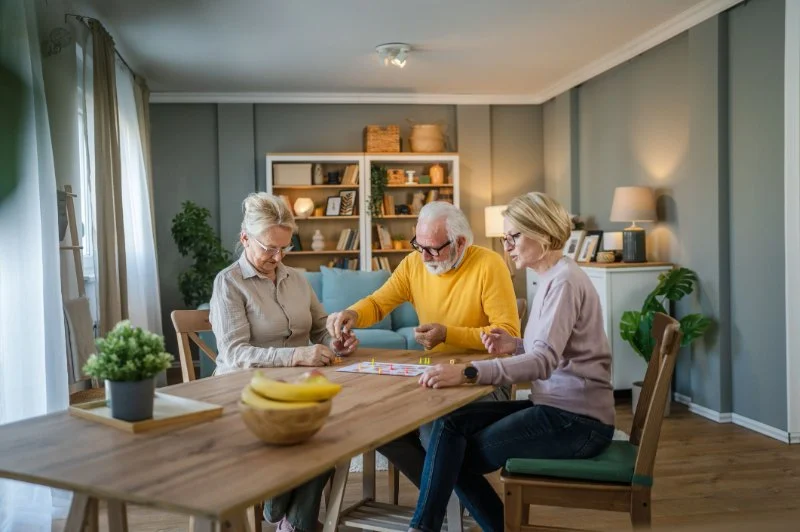
- Interactive spaces: Create areas where seniors can engage with their surroundings. For example, a cozy reading nook with books or a desk for hobbies such as painting or writing can encourage creativity. Consider adding puzzles, board games, or musical instruments to spaces where seniors can enjoy interactive activities alone or with others.
3. Providing Mental Stimulation for Seniors
Mental stimulation is just as important as physical stimulation in a senior’s daily routine. To keep the mind active, the home environment should encourage learning, creativity, and problem-solving. Here are some ideas to provide cognitive engagement:
- Puzzles and games: Jigsaw puzzles, Sudoku, crossword puzzles, and card games are excellent tools to keep the brain sharp. These types of activities help improve memory, focus, and problem-solving abilities. Having a variety of mentally engaging activities readily available can motivate seniors to stay mentally active throughout the day.
- Books and reading materials: A well-stocked bookshelf with a range of reading materials, including novels, biographies, and magazines, can encourage seniors to read more frequently. This not only improves cognitive function but can also help combat boredom and feelings of isolation. Consider audiobooks or e-readers for those with visual impairments.
- Technology for engagement: Tablets and computers can offer endless opportunities for mental stimulation. Seniors can learn new skills, explore virtual museums, play interactive games, or even connect with family and friends via video calls. With the right tools, technology can be a great asset to senior engagement.
4. Fostering Social Interaction and Connectivity
Social interaction is one of the most important factors in maintaining emotional well-being for seniors. Loneliness and isolation can lead to depression and cognitive decline, so creating opportunities for meaningful connections is vital.
- Host social events: If possible, invite family, friends, and neighbors over for regular visits. Social gatherings, even small ones, can help keep seniors connected and combat feelings of loneliness. You can organize casual tea parties, game nights, or potlucks to create a sense of community.
- Technology for staying connected: Encourage seniors to use smartphones, tablets, or computers to stay in touch with loved ones. Video calls, social media, and messaging apps make it easier than ever to remain socially connected, especially when in-person visits are limited.
- Senior community programs: Many communities offer social programs specifically for seniors. These could include book clubs, exercise groups, or creative workshops that help seniors engage with peers. Local senior centers or community organizations are great places to start looking for these opportunities.
5. Where to Find Resources for Senior Home Care Products
If you’re looking to make a home environment more stimulating for a senior, the right products can make all the difference. From accessible furniture to engaging activities, HomeCare Hub provides a wide range of products that can help improve daily living for seniors. Whether you need mobility aids, cognitive games, or items to make the home more comfortable and stimulating, HomeCare Hub offers the best resources to create a supportive and engaging environment for your loved one.






 Aria Senior Care Assisted Living5.0 (3 reviews)
 Fast Recovery Home Health Care0.0 (0 reviews)
 Interim HealthCare of West Los Angeles4.0 (7 reviews)
 Presidio Home Care5.0 (1 reviews)
 Brave Hearts Home Care5.0 (5 reviews)
 Alternative Health Care LLC0.0 (0 reviews)
 The Role of Artificial Intelligence in Home Health Care
 The Role of Respite Care in Supporting Caregivers and Preventing Burnout
 htmlCopy codeHow to Maintain Proper Hygiene and Comfort for Seniors in Home Care
 How to Support Older Adults in Managing Stress With Simple Daily Practices
 How to Support Seniors in Maintaining a Positive Mindset
 How Virtual Reality is Used in Dementia Therapy