
The Role of Artificial Intelligence in Home Health Care
- 1. Introduction to AI in Home Health Care
- 2. How AI is Transforming Home Health Care
- 3. Key Applications of AI in Home Care
- 4. Case Studies and Real-World Impacts
- 5. The Future of AI in Home Health Care
1. Introduction to AI in Home Health Care
Artificial Intelligence (AI) is no longer just a buzzword in the tech world; it's making significant strides in revolutionizing the healthcare industry, especially in home health care. As the demand for personalized and at-home health services increases, AI offers innovative solutions to enhance the quality and accessibility of care. With an aging population and more people opting for home care, the role of AI is becoming increasingly vital in improving patient outcomes and reducing healthcare costs.
AI in home health care is about using technology to support, monitor, and enhance the care provided to patients, especially in their homes. By integrating machine learning, data analytics, and automation, AI is transforming traditional home health care methods, enabling more effective, efficient, and customized care. Whether it’s through predictive analytics for health monitoring or virtual care assistants, AI is making it possible to provide high-quality care with minimal human intervention.

Morecare Palliative & Hospice, Inc.
Fountain ValleyOrange CountyCalifornia
11770 Warner Ave STE 210, Fountain Valley, CA 92708, USA
2. How AI is Transforming Home Health Care
AI is changing the landscape of home health care by bringing automation, data analysis, and virtual assistance into the home. Some of the ways AI is making a difference include:

Visiting Angels
Los AngelesLos Angeles CountyCalifornia
16600 Sherman Way # 278, Van Nuys, CA 91406, USA
1. Remote Monitoring and Health Tracking
One of the most significant benefits of AI in home health care is its ability to monitor patients remotely. With wearable devices and connected sensors, AI can track a patient’s vital signs, such as heart rate, blood pressure, and oxygen levels. This data is analyzed in real-time and can alert healthcare providers or family members to any potential health issues, enabling quicker responses and preventing emergencies.
2. Virtual Health Assistants
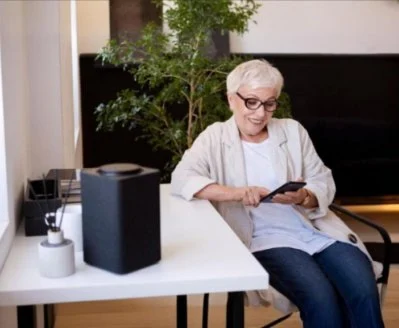
AI-powered virtual assistants, like chatbots or voice-activated devices, are helping patients manage their health care routines. These assistants can remind patients to take medications, schedule appointments, or even provide basic health advice. For elderly patients or those with chronic conditions, virtual health assistants offer a valuable layer of support to ensure they stay on track with their care plan.
3. Personalized Treatment Plans
AI algorithms can analyze a patient’s medical history, lifestyle, and genetic information to create personalized treatment plans. This means that home health care providers can offer more customized care, ensuring that treatments align with the specific needs of the individual. This level of precision leads to better health outcomes and can help reduce the risk of complications.
3. Key Applications of AI in Home Care
The use of AI in home health care is diverse and expanding. Here are some of the most common applications that are reshaping home care:
1. Medication Management
AI systems can help patients manage their medications by providing reminders, monitoring dosages, and ensuring that prescriptions are taken at the correct times. For elderly patients or individuals with multiple medications, this can significantly reduce the risk of medication errors and ensure compliance with prescribed treatments.
2. Predictive Analytics for Health Risks
AI can analyze vast amounts of patient data to predict potential health risks. For example, AI systems can detect early warning signs of heart disease, diabetes, or other chronic conditions. By identifying risks early, healthcare providers can intervene before a problem becomes more serious, thus improving patient outcomes and reducing hospital admissions.
3. AI in Rehabilitation
AI is also playing a crucial role in rehabilitation for patients recovering from surgery, stroke, or injuries. Smart home devices and robotic assistants can guide patients through physical therapy exercises, monitor their progress, and adjust the level of difficulty based on real-time feedback. This makes rehabilitation more effective and less reliant on in-person appointments.
4. Case Studies and Real-World Impacts
In the real world, AI is already making a substantial impact in home health care. Below are a few examples:
1. CarePredict: Predicting Health Risks for Seniors
CarePredict, an AI-based wearable system, helps caregivers monitor the activities and health conditions of elderly patients. The system uses sensors to track daily activities and detect any abnormalities, such as a fall or a significant change in routine. By analyzing this data, the system can predict potential health risks and notify caregivers in real-time. This early detection enables quicker intervention and improves the overall quality of care for seniors.
2. AI-Assisted Physical Therapy with Kinova
Kinova’s robotic system helps patients with limited mobility perform physical therapy exercises at home. The AI-powered device provides real-time feedback, allowing patients to track their progress and adjust their exercises accordingly. Kinova’s system not only reduces the need for in-person therapy but also empowers patients to take control of their rehabilitation at home.
5. The Future of AI in Home Health Care
The future of AI in home health care is bright, with advancements in technology paving the way for even more personalized and efficient care. As AI continues to evolve, we can expect to see:
1. Integration with Smart Homes
AI will increasingly be integrated into smart home technology, allowing patients to manage their health care alongside their daily activities. For example, AI-powered systems may be able to adjust lighting, temperature, and even air quality based on a patient’s health needs, providing a fully optimized living environment.
2. Advanced Predictive Models
With continued advancements in machine learning, AI will be able to make even more accurate predictions about patient health. This will enable healthcare providers to intervene before issues become critical, improving overall health outcomes and reducing healthcare costs.
3. More Accessible Health Care
AI will continue to play a crucial role in making home health care more accessible, especially for underserved populations. By reducing the need for in-person visits and enabling remote monitoring, AI ensures that high-quality health care can reach patients regardless of their location or ability to travel.
For those seeking the best home health care products, services, and advice, visit HomeCare Hub for reliable and innovative solutions tailored to your needs.






 Home Instead5.0 (18 reviews)
 Family&Friends Home Health Care3.0 (2 reviews)
 Lotus In-Home Care5.0 (10 reviews)
 FirstLight Home Care of Orange4.0 (20 reviews)
 DigniTonic Home Care LLC5.0 (12 reviews)
 Tri Care Home Health Services Inc5.0 (2 reviews)
 How to Encourage Seniors to Participate in Family Events and Activities
 How to Make Physical Therapy and Exercise Enjoyable for Seniors
 How to Encourage Mindful Eating and Healthy Nutrition Habits
 How to Promote Social Interaction Through Group Activities at Home
 The Benefits of Aromatherapy in Senior Care: Enhancing Well-being and Comfort
 How Arts, Crafts, and Music Can Enhance Daily Life for Seniors