
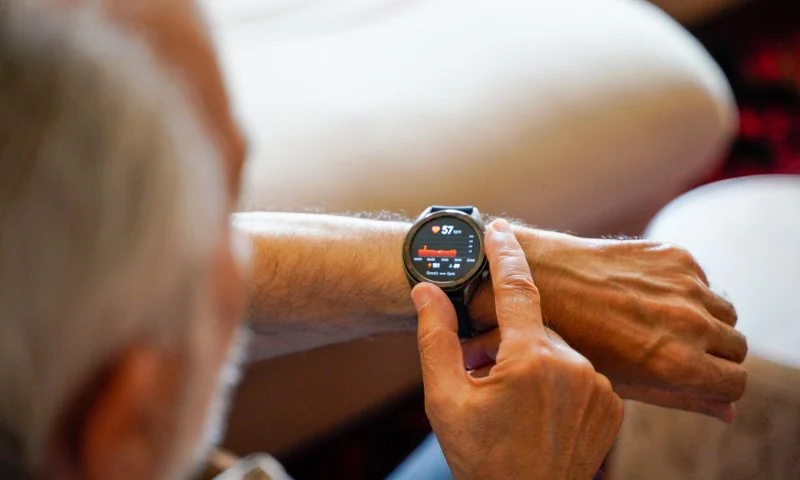
1. Introduction: The Growing Need for Senior Health Monitoring
As the population ages, the importance of monitoring the health of seniors becomes more critical. With advancements in technology, wearable devices have emerged as a powerful tool to track vital health metrics in real time. These devices not only help with monitoring physical health but also empower seniors to live independently while providing peace of mind to caregivers and family members. This article explores how wearable devices are enhancing senior health and how they can be used to manage common age-related health concerns.
2. What Are Wearable Devices and How Do They Work?
Wearable devices are compact, portable gadgets that can be worn on the body to collect data about a person’s health. These devices range from smartwatches and fitness trackers to more advanced medical-grade wearables that monitor vital signs like heart rate, blood pressure, and oxygen levels. They work by using sensors to measure specific health indicators, which are then recorded and often transmitted to a smartphone or health app for further analysis.
2.1 Types of Wearable Devices for Seniors
Seniors can benefit from a variety of wearable devices, depending on their specific health needs. Some of the most common wearable devices include:
- Smartwatches: Devices like the Apple Watch and Fitbit can track steps, heart rate, and even detect falls, sending alerts to caregivers in case of emergency.
- Medical-Grade Wearables: Devices designed for more precise health monitoring, such as continuous glucose monitors for diabetics or ECG monitors for heart health.
- Activity Trackers: These simple devices track movement, sleep patterns, and general activity levels, helping seniors stay active and healthy.
- Emergency Alert Systems: Devices that allow seniors to call for help in case of an emergency with just the press of a button.
3. Benefits of Wearable Devices for Seniors
Wearable devices offer numerous benefits for seniors, particularly in terms of health monitoring and overall well-being. Here are some of the key advantages:
3.1 Continuous Health Monitoring
Wearable devices provide continuous monitoring of vital health metrics, such as heart rate, blood oxygen levels, and sleep patterns. This constant data collection helps detect potential issues early, allowing for timely intervention. For example, a sudden spike in heart rate could indicate a problem that requires medical attention, and the device can alert both the user and their caregivers.
3.2 Fall Detection and Alerts
One of the most important features of many wearable devices is fall detection. Falling is a major concern for seniors, and wearable devices can automatically detect falls and send an alert to caregivers or emergency services. This feature can significantly reduce the time it takes for help to arrive in case of an accident.
3.3 Promoting Physical Activity
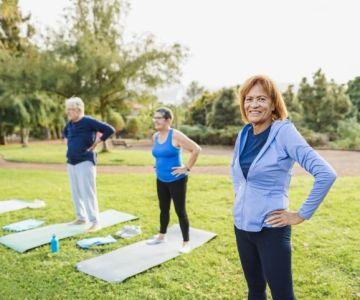
Wearable devices like fitness trackers encourage seniors to stay active by setting activity goals and tracking progress. Regular physical activity is essential for seniors to maintain muscle strength, balance, and overall health. Wearables can motivate seniors to move more by providing reminders to get up and walk or exercise throughout the day.
3.4 Improved Medication Adherence
Some wearable devices can integrate with medication management systems, sending reminders to take medications at the right time. This feature is especially beneficial for seniors managing chronic conditions such as diabetes, hypertension, or heart disease. Ensuring that seniors stay on top of their medication regimen can help prevent complications and improve health outcomes.
4. Real-World Cases of Seniors Using Wearable Devices
Real-life examples of seniors benefiting from wearable devices highlight their effectiveness in promoting health and safety. Here are a few cases where wearable devices made a difference:
4.1 Case Study 1: Managing Heart Disease
Mary, a 72-year-old woman with a history of heart disease, uses a smart watch to monitor her heart rate and blood pressure. After noticing irregular heart rates detected by her device, she was able to contact her doctor and make adjustments to her treatment plan before any serious complications arose.
4.2 Case Study 2: Fall Detection and Quick Response
John, a 68-year-old with limited mobility, experienced a fall while getting out of bed. His wearable alert system detected the fall and immediately notified his daughter, who called for help. Thanks to the quick response enabled by the device, John received medical attention promptly, preventing further injury.
5. Challenges and Considerations for Wearable Devices
While wearable devices offer many benefits, there are some challenges to consider, especially for seniors. These include:
5.1 Usability
Some seniors may have difficulty using advanced technology. Wearable devices need to be simple and easy to use. The interface should be intuitive, with large buttons or touchscreens and clear instructions for setup and use.
5.2 Cost
High-quality wearable devices, particularly medical-grade devices, can be expensive. It's important to evaluate the cost and consider whether the benefits of the device justify the investment. Many insurance plans now cover certain devices, which may help alleviate costs.
5.3 Data Privacy
As with all technology, wearable devices collect personal health data, which could raise concerns about privacy and security. Ensure that the device and associated apps comply with data protection regulations, and that users are comfortable with how their information is being used and stored.
6. Conclusion: Empowering Seniors with Wearable Devices
Wearable devices are transforming how we monitor and manage senior health. By providing continuous monitoring, promoting physical activity, and offering features like fall detection, these devices help seniors live more independently and with greater peace of mind. As technology continues to improve, we can expect wearable devices to become an even more integral part of senior health care. For those looking to enhance their well-being, exploring the options available in wearable health technology is a step towards better living.





 BrightStar Care4.0 (23 reviews)
 Unique Touch Home Healthcare5.0 (14 reviews)
 Caring Hands Senior Care5.0 (7 reviews)
 Neighborhood Home Care5.0 (2 reviews)
 Optimal Senior Care Solutions5.0 (5 reviews)
 Best of Care Home Health5.0 (19 reviews)
 How to Make Meal Preparation Easy and Enjoyable for Aging Loved Ones
 What to Expect from In-Home Care Services
 The Role of Hobbies and Interests in Senior Well-Being
 How Home Care Helped a Senior Recover After Surgery
 Effective Strategies for Creating Engaging Indoor Activities on Rainy Days
 Strategies for Helping Seniors Cope With Loneliness and Isolation