- 1. Introduction: The Evolution of Home Care Technology
- 2. Key Innovations in Home Care Technology
- 3. The Impact of Technology on Caregiving
- 4. Real-World Examples of Home Care Technology
- 5. The Future of Home Care Technology
1. Introduction: The Evolution of Home Care Technology
The landscape of home care is rapidly changing, thanks to advancements in technology. As the aging population grows, there's an increasing demand for innovative solutions that can help individuals live independently and safely at home. Technology plays a pivotal role in enhancing caregiving by providing smarter, more efficient tools for managing health and well-being. These innovations are reshaping the way we approach caregiving and offering new opportunities to improve quality of life for seniors and individuals with disabilities.

Care Light Home Care
Los AngelesLos Angeles CountyCalifornia
16861 Ventura Blvd #309, Encino, CA 91436, USA
2. Key Innovations in Home Care Technology
Home care technology includes a wide range of tools and devices designed to support both caregivers and care recipients. Some of the key innovations include:

Sunset Home Health Care
West HollywoodLos Angeles CountyCalifornia
8285 Sunset Blvd Ste #9, West Hollywood, CA 90046, USA
2.1 Smart Home Devices for Senior Care
Smart home technologies such as voice-activated assistants (e.g., Amazon Alexa, Google Home) and smart thermostats can make daily tasks easier for seniors. These devices help seniors control their environment, stay connected with loved ones, and access emergency services quickly. Additionally, these systems can remind individuals to take their medications, keep track of appointments, and provide entertainment, reducing feelings of isolation.
2.2 Wearable Health Devices
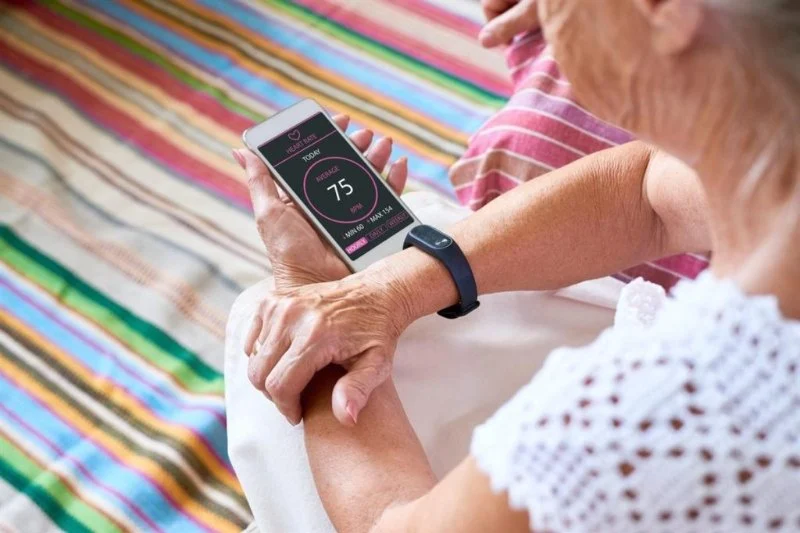
Wearable devices like fitness trackers and health monitors provide real-time data on a senior’s vital signs, activity levels, and sleep patterns. Devices like the Apple Watch or Fitbits can detect falls, track heart rate, and even send alerts to caregivers or emergency responders in case of an emergency. These devices ensure that seniors are constantly monitored, even when caregivers are not present.
2.3 Remote Monitoring Systems
Remote monitoring technology allows caregivers to keep an eye on their loved ones from a distance. These systems use sensors and cameras to monitor activities like eating, bathing, or mobility. The data collected is sent to caregivers’ smartphones or computers, allowing for early detection of potential health issues, reducing the need for constant physical presence.
2.4 Medication Management Tools
Medication management devices, such as automatic pill dispensers and reminders, help seniors take their medications correctly and on time. These devices can alert caregivers if a dose is missed and provide detailed reports on medication adherence. They reduce the risk of medication errors, which are a common problem among older adults.
3. The Impact of Technology on Caregiving
Technology has revolutionized caregiving by improving efficiency, providing better support for caregivers, and enhancing the quality of life for patients. With these innovations, caregivers can offer more personalized, responsive care while reducing physical and emotional stress. Additionally, technology can help reduce healthcare costs by preventing hospitalizations and enabling more effective home-based care.
3.1 Supporting Caregivers
Caregivers often face immense physical, emotional, and mental challenges. The introduction of home care technology has lessened some of this burden by automating many aspects of caregiving. For example, medication reminders, fall detection, and emergency alert systems offer caregivers peace of mind, knowing that help can be summoned at a moment’s notice. These technologies also allow caregivers to monitor their loved ones remotely, providing flexibility in their schedules.
3.2 Enhancing Senior Independence
With the right technology, seniors can maintain a higher level of independence. Features like automated lighting, smart home appliances, and health trackers empower seniors to perform tasks they might otherwise need help with. This independence fosters a sense of autonomy and dignity, reducing feelings of reliance on others.
4. Real-World Examples of Home Care Technology
Here are a few examples of how home care technology has been successfully implemented:
4.1 A Smart Home Solution for Alzheimer’s Patients
Sarah, a daughter caring for her elderly mother with Alzheimer’s, uses a combination of smart home devices to enhance her mother's safety. She installed motion sensors in key areas of the house, which send alerts when her mother wanders out of the safe zones. She also uses a smart thermostat to keep the house at a comfortable temperature, reducing her mother's agitation. These technologies allow Sarah to maintain her mother’s safety without being physically present all the time.
4.2 Medication Dispensers for Parkinson’s Patients
John, a caregiver for his father who suffers from Parkinson’s, uses a medication dispenser that automatically releases the correct pills at the prescribed time. The dispenser also sends reminders to John’s phone when the medication is due. This has minimized the risk of missed doses and ensures his father’s treatment is properly followed, reducing his risk of complications.
5. The Future of Home Care Technology
The future of home care technology holds even more exciting possibilities. With advancements in artificial intelligence, machine learning, and robotics, we can expect more advanced and intuitive care solutions. For example, AI-powered systems may predict health issues before they arise based on historical data, while robots could assist with physical tasks like lifting or moving patients. As technology continues to evolve, home care will become more efficient, personalized, and accessible for everyone.






 Alpha Home Health5.0 (13 reviews)
 BlueSea Care Services4.0 (13 reviews)
 Los Angeles Home Health Care Agency, Inc.5.0 (2 reviews)
 A1 Quality Health Care Inc.5.0 (5 reviews)
 Silver Peaks Home Care & Placement4.0 (9 reviews)
 Aarris Homecare4.0 (20 reviews)
 Tips for Supporting Seniors With Chronic Health Conditions
 How to Create Comfortable Spaces That Encourage Reading and Learning
 How to Foster Independence While Providing Necessary Home Care Support
 How to Encourage Seniors to Engage in Light Physical Activity Indoors
 The Importance of Encouraging Curiosity and Lifelong Learning in Older Adults
 Tips for Managing Chronic Conditions at Home