

- #understanding-curiosity-and-aging-importance
- #mental-and-emotional-benefits-of-lifelong-learning
- #real-life-stories-of-learning-later-in-life
- #practical-ways-to-encourage-curiosity-daily
- #supporting-older-adults-through-learning-environments
The Importance of Encouraging Curiosity and Lifelong Learning in Older Adults
The importance of encouraging curiosity and lifelong learning in older adults becomes more evident as people live longer, healthier lives. Aging does not mean losing the desire to grow or understand the world. In fact, curiosity often deepens with life experience. When older adults are encouraged to keep learning, they gain a stronger sense of purpose, mental engagement, and emotional fulfillment.

A Better Way In Home Care Los Angeles
Santa MonicaLos Angeles CountyCalifornia
1541 Ocean Ave Suite 200, Santa Monica, CA 90401, USA
1. Why Curiosity Still Matters Later in Life
Curiosity keeps the mind active. For older adults, asking questions, exploring new ideas, and learning new skills can be just as meaningful as it was earlier in life. This mental engagement supports independence and helps individuals feel connected to the world around them.
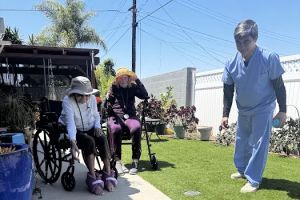
1.1 Curiosity as a Source of Motivation
When seniors feel encouraged to explore their interests, they often become more motivated in daily life. Whether learning about technology, history, or creative hobbies, curiosity creates forward momentum rather than focusing on limitations.
Mental and Emotional Benefits of Lifelong Learning
Lifelong learning supports both cognitive health and emotional well-being. Mental stimulation encourages problem-solving, memory use, and adaptability, all of which are essential for healthy aging.
2. Cognitive Engagement and Brain Health
Engaging in learning activities helps keep the brain active. Reading, learning new skills, or participating in discussions encourages mental flexibility. While learning may look different at an older age, the benefits remain significant.
2.1 Emotional Confidence Through Growth
Learning builds confidence. When older adults master something new, it reinforces a sense of achievement. This emotional boost can reduce feelings of isolation or self-doubt that sometimes accompany aging.
Real-Life Stories of Learning Later in Life
There are countless stories of individuals discovering new passions later in life. One widely shared example involved a retired teacher in her seventies who decided to learn digital photography. What began as curiosity turned into a community project, where she documented local history and shared it with younger generations.
3. What These Stories Teach Us
These experiences show that learning does not have an expiration date. Curiosity opens doors to connection, creativity, and renewed identity, regardless of age.
3.1 Social Connections Through Shared Learning
Many older adults find that learning environments help them build meaningful relationships. Group classes, discussions, or shared projects create social bonds that are just as valuable as the knowledge gained.
Practical Ways to Encourage Curiosity in Daily Life
Encouraging curiosity does not require formal education or complex programs. Small, consistent actions can make learning part of everyday life.
4. Creating Space for Exploration
Providing access to books, discussions, creative tools, or new experiences encourages exploration. Even casual conversations about current events or personal interests can spark curiosity.
4.1 Respecting Personal Interests
Curiosity grows best when it aligns with personal passions. Supporting an older adult’s interests, whether practical or creative, helps learning feel meaningful rather than forced.
Supporting Older Adults Through Learning Environments
Supportive environments play a key role in lifelong learning. When older adults feel respected, safe, and encouraged, they are more likely to continue exploring new ideas.
5. The Role of Caregivers and Families
Caregivers and family members can gently encourage learning by participating together. Shared activities strengthen relationships and create positive learning experiences.
5.1 Finding Helpful Resources and Guidance
Access to trusted guidance can make learning more accessible. HomeCare Hub offers insights and resources that support older adults in maintaining independence, curiosity, and engagement through thoughtful care solutions.
Understanding the importance of encouraging curiosity and lifelong learning in older adults reminds us that growth is a lifelong journey. With encouragement, patience, and the right environment, learning can continue to enrich life at every stage.






 CURING HANDS HOME HEALTH INC5.0 (5 reviews)
 Assisted Home Health & Hospice4.0 (20 reviews)
 Bupsy4.0 (14 reviews)
 Around the Clock Caregivers5.0 (3 reviews)
 Mission Home Health of Irvine2.0 (6 reviews)
 helping hands respite care services0.0 (0 reviews)
 The Future of Home Care: What to Expect in 2025
 How to Support Older Adults in Developing a Balanced Daily Schedule | HomeCare Hub
 Tips for Encouraging Older Adults to Participate in Community Events Safely
 How Artificial Intelligence is Enhancing Home Care Services
 How to Create a Dementia-Friendly Home Environment
 Tips for Helping Seniors Stay Hydrated Through Creative Methods