
- Introduction: AI’s Role in Home Care Services
- Benefits of AI in Home Care
- Types of AI Solutions for Home Care
- Real-World Examples of AI in Home Care
- Challenges of Implementing AI in Home Care
- The Future of AI in Home Care Services
Introduction: AI’s Role in Home Care Services
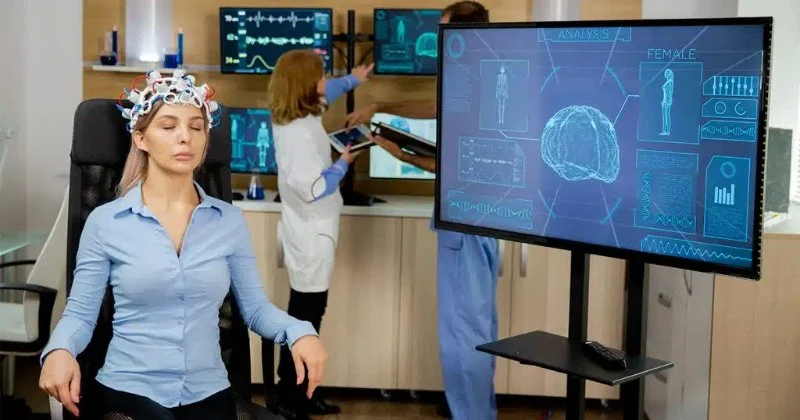
Artificial Intelligence (AI) is transforming industries across the globe, and home care services are no exception. The integration of AI technologies in home healthcare has paved the way for more efficient, personalized, and accessible care for seniors and individuals with special needs. AI enhances home care services by streamlining processes, improving safety, and ensuring better patient outcomes.
In this article, we will explore how AI is revolutionizing home care, the types of AI solutions being utilized, the benefits it brings to both caregivers and patients, and real-world examples of AI in action. Additionally, we will discuss the challenges faced in implementing AI and look at what the future holds for AI-powered home care services.
Beyond the Best Care Service LLC
Rolling HillsLos Angeles CountyCalifornia
609 Deep Valley Dr #200, Rolling Hills, CA 90274, USA
Benefits of AI in Home Care
AI brings numerous advantages to the home care industry. From improving care delivery to supporting caregivers, the potential benefits are vast. Here are some of the primary benefits of incorporating AI into home care services:

Casa Blanca Senior Care
BellflowerLos Angeles CountyCalifornia
13833 Birkhall Ave, Bellflower, CA 90706, USA
1. Enhanced Personalization of Care
AI enables the personalization of care plans based on the unique needs and conditions of each individual. By analyzing health data and patterns, AI algorithms can suggest adjustments to treatment plans in real-time, ensuring more tailored care. This level of personalization helps seniors receive the best possible care without unnecessary interventions or delays.
2. Improved Safety and Monitoring
AI-powered devices and sensors can monitor patients’ movements, vitals, and behaviors, helping detect potential health issues early. For example, wearable devices can alert caregivers if a senior falls or experiences irregular heart rate or blood pressure readings. These technologies give caregivers and family members peace of mind, knowing their loved ones are being constantly monitored in a non-invasive manner.
3. Reduced Healthcare Costs
AI helps reduce healthcare costs by improving efficiency and minimizing the need for hospital visits or in-person appointments. By using AI to remotely monitor vital signs and daily activities, healthcare professionals can intervene when necessary, reducing hospital readmissions and emergency visits. AI-powered home care solutions allow for better management of chronic conditions, resulting in fewer costly treatments and procedures.
4. Assistance for Caregivers
AI not only benefits patients but also supports caregivers by automating routine tasks. For example, AI tools can assist caregivers by managing medications, setting reminders for appointments, and generating reports on patient progress. This allows caregivers to focus more on providing emotional and physical support to patients rather than dealing with administrative tasks.
Types of AI Solutions for Home Care
AI can be applied in various forms within the home care sector, ranging from simple monitoring devices to complex machine learning algorithms. Here are some of the most common AI solutions currently enhancing home care services:
1. AI-Powered Wearables
Wearable devices are among the most common AI applications in home care. These devices track vital signs such as heart rate, blood pressure, oxygen levels, and activity. They can also detect falls, monitor sleep patterns, and send real-time data to caregivers or healthcare providers. Popular wearables include smartwatches with health tracking features and specialized devices designed for senior care.
2. Virtual Health Assistants
Virtual health assistants, powered by AI, can interact with patients through voice or chat interfaces. These assistants can provide medication reminders, track symptoms, and offer basic healthcare advice based on patient data. Virtual assistants can also help seniors with daily activities, such as setting up appointments, managing their schedule, and assisting with tasks like ordering groceries or managing finances.
3. AI-Powered Smart Home Devices
Smart home technologies, including voice-activated devices and sensors, are playing an increasingly important role in home care. These devices can control lighting, heating, and other aspects of the home environment, helping seniors maintain independence. For instance, voice assistants like Amazon Alexa and Google Assistant can assist seniors in managing their environment and connect them with emergency services if needed.
4. Predictive Analytics for Health Management
Predictive analytics uses AI to analyze patient data and forecast potential health risks or complications. By analyzing historical data, AI can predict future health trends, helping caregivers take proactive steps in managing chronic conditions or preventing hospital readmissions. These predictive models are particularly beneficial in managing long-term care for seniors with conditions such as diabetes, heart disease, and dementia.
Real-World Examples of AI in Home Care
AI is already being used in many innovative ways within home care services. Here are a few real-world examples that showcase the potential of AI in enhancing the home care experience:
1. ElliQ: A Social Companion Robot for Seniors
ElliQ is a smart robot designed to combat loneliness and help seniors stay connected. It uses AI to understand the preferences and routines of its users, offering reminders, conversation, and entertainment. ElliQ can help seniors manage their medication schedules, schedule appointments, and even engage in casual conversation. This AI-driven companion is particularly useful for seniors who live alone, helping them feel more connected and supported.
2. CarePredict: Wearable Sensor for Activity Monitoring
CarePredict is a wearable sensor designed to track daily activities and detect early signs of health issues in seniors. It uses AI to learn an individual’s daily routines and can alert caregivers or family members if there are deviations from normal behavior, such as a fall, changes in sleep patterns, or reduced activity levels. This technology provides peace of mind and ensures early intervention when necessary.
Challenges of Implementing AI in Home Care
While AI has enormous potential in home care, there are challenges to its widespread adoption. Some of these challenges include:
1. Data Privacy and Security
AI-driven home care solutions rely heavily on data collection, which raises concerns about data privacy and security. Protecting sensitive patient information is crucial, and there must be safeguards in place to prevent data breaches. Ensuring compliance with healthcare privacy regulations like HIPAA is vital in building trust with users.
2. Accessibility and Affordability
Although AI technologies can improve home care, they may not be affordable or accessible to everyone. Seniors from lower-income households may find it difficult to access advanced AI-powered devices or services. Ensuring these technologies are affordable and widely available is a key challenge for the future of AI in home care.
3. Integration with Existing Healthcare Systems
Integrating AI solutions into existing home care infrastructure can be complex. Healthcare providers must ensure that AI technologies are compatible with other medical systems, and that data is shared seamlessly between caregivers, family members, and medical professionals. This integration is critical to ensure efficient and effective care delivery.
The Future of AI in Home Care Services
The future of AI in home care is promising. As AI technologies continue to evolve, we can expect even more advanced solutions that will further enhance the quality of care provided to seniors and individuals with special needs. From advanced virtual assistants to smarter wearable devices and predictive healthcare analytics, AI is set to transform the way home care is delivered.
In the near future, AI could become an integral part of every home care plan, helping seniors live independently while ensuring that they receive the best possible care. As these technologies become more affordable and accessible, their potential to improve the quality of life for seniors will only grow.
If you’re interested in learning more about AI-powered home care solutions or looking for the best products to support your loved ones, visit HomeCare Hub for expert recommendations and services tailored to senior care needs.






 A-1 Domestic Professional Services Inc.4.0 (17 reviews)
 Right at Home0.0 (0 reviews)
 Rachel's Quality Home, Inc.0.0 (0 reviews)
 Heart of the Valley Home Health5.0 (1 reviews)
 Interim HealthCare of Pasadena5.0 (1 reviews)
 ALSO HOME HEALTH CARE, INC.5.0 (8 reviews)
 Creative Art Projects That Stimulate Cognitive Function and Emotional Well-Being
 How Home Care Agencies are Adapting to Changing Regulations
 How Virtual Reality is Used in Dementia Therapy
 The Importance of Personalized Care Plans in Home Care
 How to Make Home Environments More Accessible for Aging Loved Ones
 How to Create a Fall-Proof Home for Your Loved Ones