
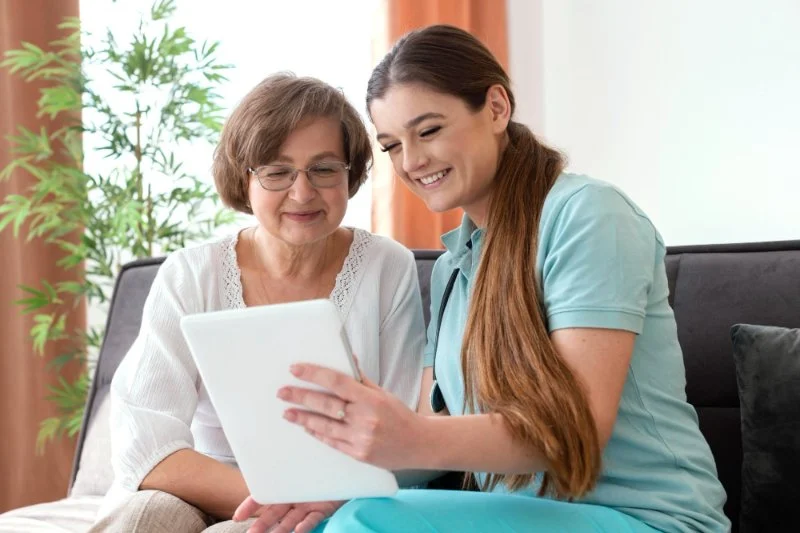
The Importance of Personalized Care Plans in Home Care
- 1. Introduction to Personalized Care Plans
- 2. Benefits of Personalized Care Plans
- 3. How Personalized Care Plans Improve Health Outcomes
- 4. Developing a Personalized Care Plan
- 5. Conclusion and Next Steps
1. Introduction to Personalized Care Plans
Home care is an essential service for seniors and individuals with health conditions that require assistance with daily activities. A key component of effective home care is the use of personalized care plans. These plans are designed to meet the unique needs of each individual, ensuring that they receive the right level of care and support. By tailoring care to the specific needs of the individual, personalized care plans help improve both the quality of life and the overall health of the patient.

Kind Heart Hospice and Palliative Care Inc
AnaheimOrange CountyCalifornia
160 S Old Springs Rd, Anaheim, CA 92808, USA
2. Benefits of Personalized Care Plans
Personalized care plans have numerous advantages, both for the patient and for the caregivers providing support. Some of the most notable benefits include:

Foothill Homecare Partners
Sierra MadreLos Angeles CountyCalifornia
78 W Sierra Madre Blvd, Sierra Madre, CA 91024, USA
2.1 Enhanced Quality of Life
A personalized care plan ensures that individuals receive the right care at the right time. This can greatly improve their daily living experience and make them feel more comfortable and supported in their homes. Care plans can include assistance with meal preparation, medication management, personal hygiene, and mobility support, helping individuals maintain a sense of independence while still receiving the care they need.
2.2 Improved Health Outcomes
When care plans are customized to meet the specific needs of a patient, it can lead to better health outcomes. Personalized care allows for more frequent monitoring of health conditions, timely medical interventions, and adjustments to care strategies as needed. For seniors with chronic conditions, this can be particularly important in preventing hospital readmissions or complications.
2.3 Increased Family Involvement
Personalized care plans help ensure that family members are actively involved in the care process. They can work with caregivers to make decisions, provide feedback, and adjust the plan as necessary. This collaborative approach fosters stronger relationships between family members, caregivers, and the patient.
3. How Personalized Care Plans Improve Health Outcomes
The development of a personalized care plan can significantly impact health outcomes by focusing on the unique medical and emotional needs of the individual. Here are some ways personalized care plans improve health outcomes:
3.1 Tailored Medication Management
For many seniors and individuals with chronic illnesses, managing medications is a critical aspect of their health. A personalized care plan ensures that the medication regimen is properly managed, including tracking dosages, scheduling, and identifying potential interactions. This reduces the risk of medication errors and improves the patient's overall well-being.
3.2 Preventative Care and Early Intervention
With personalized care plans, healthcare providers can monitor individuals more closely for any changes in their health. This proactive approach allows caregivers to identify issues early on and intervene before they become more serious. Early detection of health problems can lead to more effective treatments and fewer hospitalizations.
3.3 Psychological and Emotional Support
Personalized care plans also take into account the psychological and emotional needs of the patient. Many seniors and individuals with health conditions experience feelings of isolation, anxiety, or depression. By addressing these concerns in the care plan, caregivers can provide emotional support and ensure the patient feels heard and valued.
4. Developing a Personalized Care Plan
Creating an effective personalized care plan involves a thorough assessment of the individual's medical, physical, and emotional needs. Here are the steps typically involved in developing a care plan:
4.1 Initial Assessment
The first step in creating a personalized care plan is conducting a comprehensive assessment. This typically involves reviewing the patient’s medical history, current health conditions, medications, and daily living requirements. It may also include discussions with the patient, their family, and their healthcare team to gather input on preferences and goals.
4.2 Setting Goals and Priorities
Once the assessment is complete, care teams work with the patient and their family to establish clear, realistic goals. These goals might include improving mobility, managing a chronic condition, or simply maintaining independence for as long as possible. Prioritizing these goals helps create a structured care plan that focuses on what matters most to the individual.
4.3 Regular Review and Adjustments
Personalized care plans are not static; they should be reviewed and adjusted regularly to ensure they remain relevant and effective. As a person’s condition changes, their care plan may need to be updated to reflect new needs or goals. Regular feedback from the patient, family members, and caregivers is vital to making these adjustments.
5. Conclusion and Next Steps
Personalized care plans are a crucial aspect of home care that ensure individuals receive the best possible support tailored to their needs. By providing targeted care, improving health outcomes, and enhancing the patient’s quality of life, these plans make a significant difference in the care process. If you're considering personalized care for a loved one, be sure to consult with a trusted home care provider like HomeCare Hub for more information and personalized solutions to meet your needs.






 West Coast Valley Home Health Inc.5.0 (3 reviews)
 Summit View Home Care5.0 (1 reviews)
 Interim HealthCare of Burbank0.0 (0 reviews)
 First Choice Home Health Agency5.0 (1 reviews)
 BlueSea Care Services4.0 (13 reviews)
 Visiting Angels Senior Home Care Whittier4.0 (30 reviews)
 How to Choose the Right Home Care Provider for Your Loved One | Guide for Families
 The Future of Home Care: What to Expect in 2025
 Tips for Making Grooming and Personal Care More Comfortable for Seniors
 Tips for Encouraging Hydration Throughout the Day in Aging Loved Ones
 Strategies for Creating Safe Outdoor Spaces That Encourage Activity
 The Importance of Cybersecurity in Home Health Care - HomeCare Hub