
How to Make Home Environments More Accessible for Aging Loved Ones
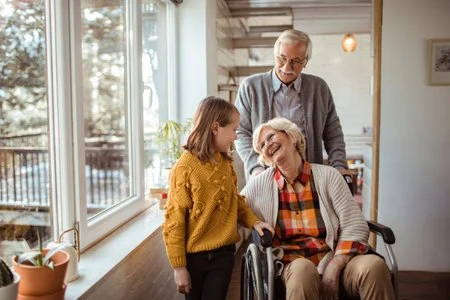
As our loved ones age, ensuring that their home environment is safe, accessible, and comfortable becomes a top priority. With the right modifications, it's possible for seniors to maintain their independence, reduce the risk of accidents, and continue to live in their own homes for as long as possible. This guide provides practical tips on how to make home environments more accessible for aging loved ones.
- 1. Key Considerations for Aging in Place
- 2. Home Modifications for Safety and Accessibility
- 3. Common Home Accessibility Tools
- 4. Creating a Comfortable Space for Elderly Loved Ones
1. Key Considerations for Aging in Place
Aging in place allows older adults to live in their own homes independently and comfortably, regardless of their age or health condition. However, creating a home environment that supports aging in place requires careful consideration of various factors:
- Physical Limitations: As we age, mobility may become limited. It’s important to assess how your loved one moves around the house, whether using a walker, cane, or wheelchair.
- Safety: Falls are a major risk for seniors. Ensuring that the home is free of hazards, such as tripping over rugs or slipping on wet floors, is essential.
- Independence: Many seniors value their independence. Offering opportunities for them to perform tasks on their own with little assistance can boost their confidence and well-being.
2. Home Modifications for Safety and Accessibility
There are several simple modifications that can make a significant difference in the safety and accessibility of a home for elderly loved ones:
- Wide Doorways: Ensure that doorways are wide enough to accommodate mobility aids, such as wheelchairs or walkers. This allows for easy access to every room in the house.
- Non-slip Flooring: Install non-slip rugs or flooring, especially in bathrooms and kitchens, to prevent falls.
- Grab Bars: Adding grab bars in bathrooms, near the toilet, and in the shower can help seniors maintain their balance and avoid slips.
- Elevated Toilet Seats: Consider installing an elevated toilet seat to make it easier for seniors to sit and stand.
3. Common Home Accessibility Tools
Various tools can further enhance the accessibility of the home environment for seniors. Here are some of the most common ones:
- Stairlifts: If the home has multiple floors, stairlifts can provide a safe and easy way for seniors to access upper levels without risking a fall.
- Handrails: Installing handrails along staircases and in hallways can provide seniors with additional support when moving around.
- Smart Technology: Devices such as smart thermostats, lighting systems, and voice-activated assistants can help seniors manage their home environment more independently, especially if they have limited mobility.
4. Creating a Comfortable Space for Elderly Loved Ones
Beyond safety and accessibility, creating a comfortable environment is essential for your loved one's well-being. Consider the following:
- Comfortable Furniture: Invest in furniture that provides adequate support. Look for chairs, sofas, and beds that are easy to sit and stand from, with comfortable cushions.
- Proper Lighting: Good lighting is essential for reducing accidents. Ensure that all rooms, especially hallways and stairs, are well-lit, and consider adding motion-sensor lights for convenience.
- Accessible Storage: Place frequently used items within easy reach to minimize bending or stretching. Consider installing pull-out shelves or organizing items at waist height.
Making these adjustments can help your aging loved ones maintain a sense of independence and safety in their own homes. For more tips on home modifications and accessibility tools, visit HomeCare Hub, where we offer a wide range of products and services to support elderly care.






 Comforting Caregivers5.0 (4 reviews)
 Golden Touch Home Health, Inc.0.0 (0 reviews)
 Bright Source Hospice5.0 (14 reviews)
 B&B Homecare4.0 (3 reviews)
 24 Hour Home Care4.0 (24 reviews)
 Visiting Angels Senior Home Care4.0 (46 reviews)
 The Importance of Self-Care for Family Caregivers
 How to Budget for Home Care: Practical Tips for Families
 How to Make Home Care Activities Engaging and Rewarding
 How to Support Seniors in Maintaining Independence During Daily Tasks
 Tips for Using Technology to Support Mental and Social Engagement
 How to Build a Support Network as a Caregiver: Essential Steps for Success