
Understanding Virtual Reality in Dementia Therapy
- 1. What Is Virtual Reality and How Does It Work?
- 2. VR Applications in Dementia Therapy
- 3. The Benefits of Virtual Reality Therapy for Dementia
- 4. Case Studies and Real-Life Examples
- 5. Challenges and Solutions in Implementing VR Therapy
- 6. The Future of Virtual Reality in Dementia Treatment
1. What Is Virtual Reality and How Does It Work?
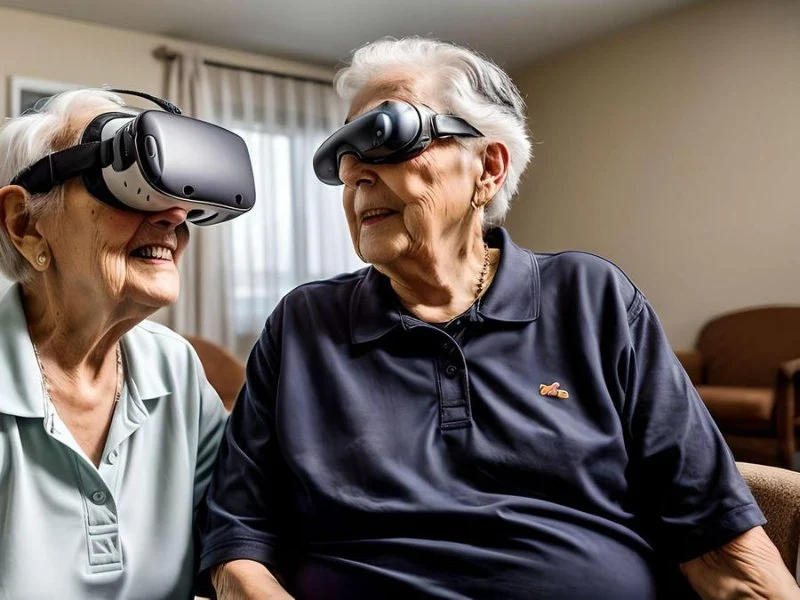
Virtual reality (VR) is a computer-generated simulation that creates immersive experiences for the user, often through the use of VR headsets and interactive environments. By simulating real-world or fantastical scenarios, VR offers a safe space where individuals can engage in activities that may help improve cognitive function and emotional well-being. In the context of dementia, VR is being used to provide cognitive stimulation, reminiscence therapy, and stress reduction, all aimed at slowing the progression of dementia symptoms.

Exceptional Home Care
Long BeachLos Angeles CountyCalifornia
150 Long Beach Blvd #303, Long Beach, CA 90802, USA
2. VR Applications in Dementia Therapy
Virtual reality therapy for dementia patients has a wide range of applications. One popular approach is reminiscence therapy, where VR enables patients to revisit familiar locations, events, or memories from their past. For example, a VR program might allow someone with dementia to virtually visit their childhood home or a favorite vacation spot, evoking positive memories and promoting cognitive engagement. Additionally, VR is used to stimulate mental and physical activities through games and exercises that can help improve motor skills, coordination, and mental clarity.

Amada Senior Care
TorranceLos Angeles CountyCalifornia
3812 Sepulveda Blvd STE 200, Torrance, CA 90505, USA
3. The Benefits of Virtual Reality Therapy for Dementia
The benefits of using virtual reality in dementia therapy are numerous. One key advantage is the ability to offer personalized, immersive experiences that can be tailored to individual needs. This customization helps patients feel more comfortable and engaged, reducing feelings of isolation. VR has been shown to reduce agitation and anxiety in patients, making it a valuable tool for managing behavioral symptoms of dementia. Furthermore, by stimulating cognitive functions and providing social interaction opportunities, VR therapy helps improve the overall quality of life for dementia patients.
4. Case Studies and Real-Life Examples
Real-life examples of VR in dementia therapy are becoming more common. One notable case is a pilot program at a senior living community where residents used VR headsets to visit locations from their past, such as famous landmarks or family homes. This program saw a marked improvement in mood, memory recall, and engagement. Another success story comes from a hospital that used VR to help patients with advanced dementia relax and engage in cognitive activities. These programs have demonstrated the positive impact that VR therapy can have on dementia patients’ emotional and cognitive health.
5. Challenges and Solutions in Implementing VR Therapy
While VR therapy offers numerous benefits, there are some challenges to its widespread implementation. One of the main concerns is accessibility—some dementia patients may not be comfortable using the technology or may have difficulty adapting to VR. Additionally, there are logistical challenges such as the cost of equipment, technical support, and the need for staff training. However, these challenges can be addressed by designing user-friendly interfaces, offering training for caregivers, and finding cost-effective solutions for acquiring VR systems.
6. The Future of Virtual Reality in Dementia Treatment
The future of virtual reality in dementia treatment looks promising. As VR technology continues to advance, it is expected to become even more effective in addressing the unique needs of dementia patients. Innovations such as AI-powered VR systems and more intuitive interfaces will enhance the experience for patients and caregivers. Furthermore, VR therapy may become a more common part of dementia care plans, integrated into both home care and institutional settings. The potential to provide ongoing cognitive support and improve patients' well-being is bound to make VR a staple in dementia therapy moving forward.
To explore more about virtual reality therapy and find the best products for dementia care, visit HomeCare Hub, your trusted source for expert recommendations on dementia-related therapies and services.






 Always Best Care Senior Services - Home Care Services in Newport Beach4.0 (35 reviews)
 Big Heart Helping Hands1.0 (5 reviews)
 TheKey - Formerly 123 Home Care1.0 (1 reviews)
 Homestead home health Inc.0.0 (0 reviews)
 Acti-Kare of Irvine5.0 (10 reviews)
 Grace Affordable Senior Care5.0 (1 reviews)
 How Home Care Helped a Senior Recover After Surgery
 The Importance of Daily Walks and Light Exercise for Older Adults
 Strategies for Creating a Safe and Stimulating Home Exercise Routine
 Tips for Promoting Healthy Eating Habits in Older Adults
 How to Encourage Seniors to Engage With Technology for Health and Socialization
 Tips for Making Household Chores Fun and Safe for Seniors