
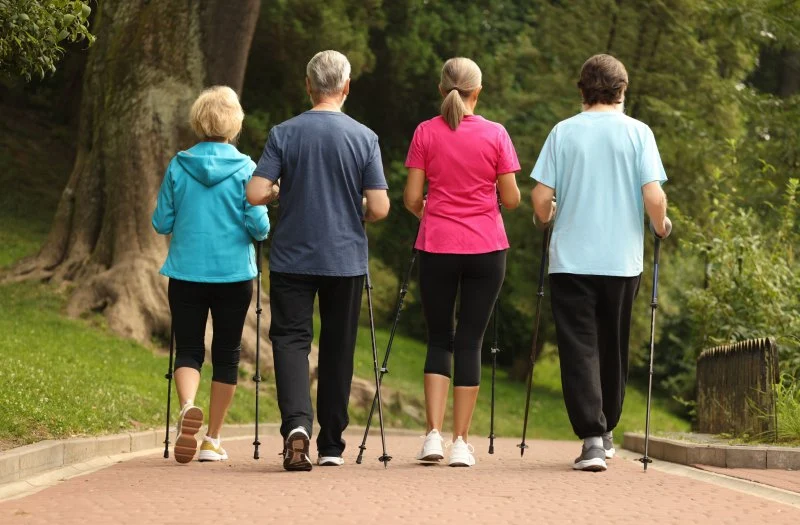
The Importance of Daily Walks and Light Exercise for Older Adults
- 1. The Health Benefits of Daily Walks for Older Adults
- 2. How Light Exercise Improves Mobility and Flexibility
- 3. Practical Tips for Incorporating Daily Walks
- 4. Success Stories of Seniors Who Benefit from Regular Walking
- 5. Other Light Exercise Options for Seniors
1. The Health Benefits of Daily Walks for Older Adults
For older adults, regular physical activity, particularly daily walks, can significantly enhance overall health and quality of life. Walking is a low-impact, easily accessible exercise that offers a range of benefits. For seniors, walking helps improve cardiovascular health, maintain a healthy weight, and reduce the risk of chronic conditions such as diabetes and hypertension.
Interim HealthCare of Burbank
BurbankLos Angeles CountyCalifornia
2600 W Olive Ave Fl 5 5th Floor, Burbank, CA 91505, USA
1.1 Cardiovascular Health
One of the most significant benefits of walking for seniors is improved cardiovascular health. Regular walks help strengthen the heart, improve blood circulation, and lower blood pressure. These benefits can help reduce the likelihood of heart disease and stroke, common concerns for older adults.

1.2 Mental Health and Well-being
In addition to the physical benefits, walking is a powerful tool for enhancing mental health. Physical activity releases endorphins, which can improve mood and reduce symptoms of anxiety and depression. For older adults, staying active is crucial in combating the isolation and cognitive decline that can occur with aging.
2. How Light Exercise Improves Mobility and Flexibility
Light exercises, such as walking and stretching, are excellent for maintaining and improving flexibility, balance, and overall mobility in older adults. These exercises can significantly reduce the risk of falls and improve the ability to perform daily tasks independently.
2.1 Enhancing Flexibility and Strength
Regular light exercise helps stretch muscles and joints, which can reduce stiffness and increase range of motion. This is particularly important for older adults who may experience arthritis or muscle weakness. Stretching can also improve posture and coordination, leading to a safer and more active lifestyle.
2.2 Boosting Balance and Stability
Walking, combined with exercises focusing on balance, can help prevent falls—a leading cause of injury in older adults. Many seniors find that incorporating simple exercises like heel-to-toe walking or standing on one foot helps improve their stability and coordination.
3. Practical Tips for Incorporating Daily Walks
Starting a daily walking routine can be a challenge for seniors, especially those who have not been physically active for a long time. However, with some planning and motivation, it’s possible to make walking a regular part of the day. Here are some tips for getting started:
3.1 Start Slow and Gradual
For seniors new to exercise, it’s important to start slow. Begin with short walks around the house or neighborhood, gradually increasing the time and distance. Consistency is key, so aim to walk every day, even if it’s just for a few minutes.
3.2 Choose Safe, Accessible Locations
When walking outdoors, choose flat, well-lit, and safe paths. Parks, quiet streets, or indoor tracks in malls are great options. Walking with a partner can also provide extra safety and motivation.
3.3 Wear Comfortable Shoes
Proper footwear is crucial to prevent discomfort or injury while walking. Make sure shoes provide adequate support and cushioning, particularly for seniors with joint or foot problems.
4. Success Stories of Seniors Who Benefit from Regular Walking
Many seniors have experienced incredible improvements in their health and well-being through regular walking. Here are a few success stories that highlight the power of daily walks:
4.1 Sarah’s Journey to Better Health
Sarah, a 70-year-old retiree, started walking 20 minutes each day to manage her blood pressure. After six months of consistent walking, her blood pressure improved, and she felt more energetic and mentally clear. “Walking has given me my life back,” she says. “I feel better than I have in years.”
4.2 John’s Success with Fall Prevention
John, 68, had a history of falls, which made him hesitant to leave the house. After incorporating daily walks and balance exercises into his routine, he noticed significant improvement in his coordination and confidence. “I haven’t fallen in over a year,” he shares. “I feel much more stable now.”
5. Other Light Exercise Options for Seniors
In addition to walking, there are many other light exercise options that can help older adults maintain an active and healthy lifestyle. Some effective exercises include:
5.1 Swimming
Swimming is a low-impact exercise that is gentle on the joints, making it an excellent choice for seniors with arthritis or joint pain. The buoyancy of the water provides support, reducing the risk of injury while improving strength and cardiovascular health.
5.2 Yoga and Stretching
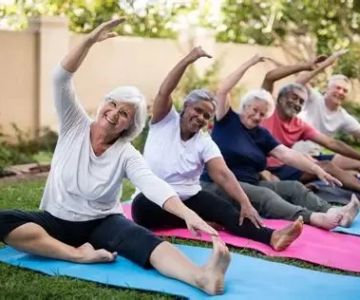
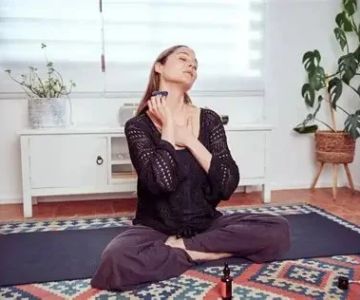
Yoga is a fantastic way to improve flexibility, balance, and strength. Many yoga studios offer classes specifically designed for older adults, with modified poses that focus on gentle stretching and breathing exercises.
5.3 Tai Chi
Tai Chi is a slow and controlled martial art that emphasizes balance, coordination, and flexibility. It’s an ideal form of exercise for seniors because it helps improve mobility while being easy on the body.
For more resources and support in maintaining an active lifestyle, visit HomeCare Hub, where we offer expert advice and products to help seniors stay healthy and active.


 Inspirations Home Care0.0 (0 reviews)
 Mae Morgan Homecare Staffing - Carson0.0 (0 reviews)
 Ace Home Care5.0 (12 reviews)
 Maxim Healthcare Orange County, CA Regional Office2.0 (42 reviews)
 Reliable Home Care, Inc.0.0 (0 reviews)
 Visitinghome LLC5.0 (2 reviews)
 Understanding the Stages of Alzheimer’s Disease
 Innovations in Home Care Technology: Enhancing Quality of Life
 Tips for Encouraging Older Adults to Try New Hobbies and Skills
 Fun Indoor Activities That Promote Mental Engagement for Elderly Loved Ones
 How to Introduce Creative Writing and Journaling Into Daily Life
 How to Make Personal Care and Grooming Comfortable and Respectful