
- 1 - Introduction: The Importance of Comfortable Spaces
- 2 - Planning Your Space for Maximum Comfort and Focus
- 3 - Designing the Perfect Reading Nook
- 4 - Creating an Effective Learning Environment
- 5 - The Role of Lighting in Comfort and Focus
- 6 - Choosing the Right Furniture for Comfort
- 7 - Real-Life Example: Transforming a Space for Learning
1 - Introduction: The Importance of Comfortable Spaces
Creating spaces that foster reading and learning is essential in today's fast-paced world. Whether it's for studying, working from home, or enjoying a good book, the environment you choose has a profound impact on focus, productivity, and relaxation. Designing a comfortable space that encourages concentration and creativity can make all the difference. In this article, we’ll explore tips and ideas for creating spaces that inspire learning and enjoyment.

2 - Planning Your Space for Maximum Comfort and Focus
Before jumping into decorating, it's essential to plan your space. The key to a comfortable and functional reading or learning area is ensuring that it supports your activities without causing distractions. Start by considering the following factors:
- Location: Choose a quiet area with minimal distractions. Natural light is a huge plus!
- Seating: Ensure that the seating is ergonomic and comfortable. Opt for a supportive chair or a cozy lounge chair that encourages relaxation.
- Organization: Keep the space tidy and organized, with shelves, bins, or storage for books and study materials.
3 - Designing the Perfect Reading Nook
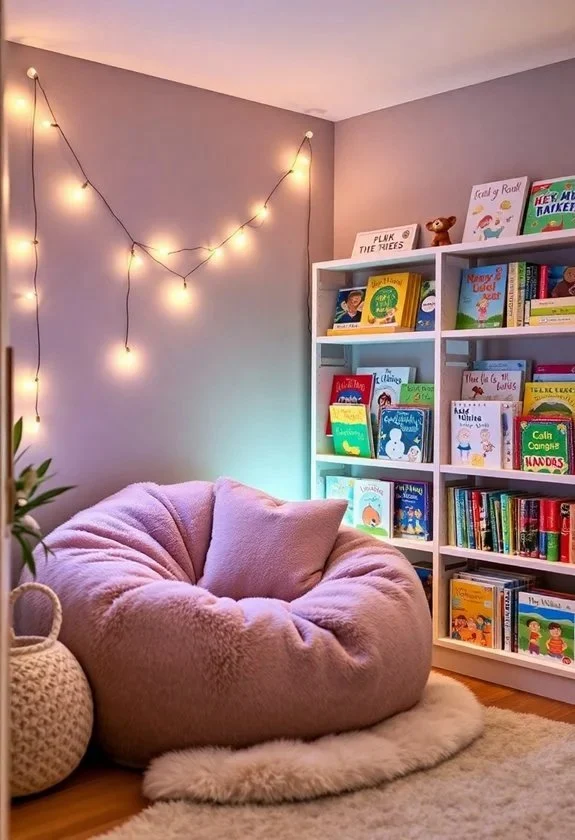
A reading nook is one of the most inviting and comfortable spaces you can create at home. It should provide a sense of peace and be dedicated to unwinding and escaping into a good book. Here are a few tips for designing a perfect reading nook:
- Comfortable Seating: Invest in a comfy chair, like an armchair or bean bag, where you can settle in for hours of reading.
- Soft Textures: Incorporate soft fabrics such as throw blankets, cushions, and rugs to make the space extra cozy.
- Personal Touch: Add personal elements like art, plants, or your favorite books to make the space feel uniquely yours.
4 - Creating an Effective Learning Environment
When designing a study area, it’s essential to think beyond comfort and focus on functionality. An effective study space should encourage concentration and be equipped with the necessary tools to enhance learning. Here's how to create an efficient study environment:
- Ergonomic Setup: Choose a desk and chair that promote proper posture and comfort for long study sessions.
- Technology and Tools: Ensure that you have the necessary equipment for studying, like a reliable computer, printer, and stationery.
- Minimal Distractions: Keep the space free from unnecessary clutter and distractions. Consider noise-canceling headphones if needed.
5 - The Role of Lighting in Comfort and Focus
Good lighting is crucial for creating a comfortable and functional space, whether it's for reading or studying. Proper lighting helps reduce eye strain and improves concentration. Consider these tips when selecting lighting for your space:
- Natural Light: If possible, place your reading nook or study area near a window to take advantage of natural light.
- Task Lighting: For study areas, opt for task lighting such as a desk lamp to focus light on your work surface.
- Ambient Lighting: In reading areas, use soft, ambient lighting that creates a cozy atmosphere without being too harsh on the eyes.
6 - Choosing the Right Furniture for Comfort
Furniture plays a vital role in ensuring comfort in your reading or study area. When choosing pieces, focus on both style and function. Here are some ideas for selecting the right furniture:
- Adjustable Chairs: Opt for chairs with adjustable features to suit your needs and comfort.
- Bookshelves: Invest in bookshelves to keep your reading material organized and within reach.
- Space-Saving Furniture: In smaller spaces, consider furniture that serves multiple functions, like storage ottomans or foldable desks.
7 - Real-Life Example: Transforming a Space for Learning
Take the example of Emily, a college student who transformed her small bedroom into a dedicated study and reading space. Emily began by selecting a quiet corner of her room and added a comfortable ergonomic chair and desk. She invested in soft lighting and a few decorative items, like plants and personal photos, to make the space feel welcoming. The result was a functional yet cozy space that helped Emily stay focused and productive throughout her semester.
Creating comfortable spaces for reading and learning is all about balance. By carefully considering elements like seating, lighting, and organization, you can design a space that is both relaxing and productive. For more ideas and inspiration on how to design the perfect reading or study space, visit HomeCare Hub for expert tips and advice.






 Bridge Home Health Inland Empire3.0 (30 reviews)
 Hearts In Home Senior Care Provider5.0 (1 reviews)
 Bella Terra Hospice4.0 (45 reviews)
 Visiting Angels4.0 (37 reviews)
 LA Home Healthcare, Inc4.0 (10 reviews)
 Jewel City Home Health, Inc.5.0 (1 reviews)
 What to Expect from In-Home Care Services | Comprehensive Guide
 How to Make Your Home Feel Cozy and Inviting
 Tips for Managing Chronic Conditions at Home: A Practical Guide
 Ideas for Creating a Comfortable and Stimulating Living Environment for Seniors
 How to Create a Relaxing Outdoor Space for Seniors at Home
 Effective Strategies for Promoting Physical and Mental Wellness Through Routine