

- 1. The Importance of Confidence and Independence for Seniors
- 2. Key Steps to Foster Confidence in Seniors
- 3. Practical Ways to Encourage Independence
- 4. Common Challenges and How to Overcome Them
- 5. Real-Life Story: A Senior’s Journey to Greater Independence
- 6. Conclusion: Empowering Seniors to Live with Confidence
1. The Importance of Confidence and Independence for Seniors
As seniors age, one of the most important aspects of maintaining their quality of life is fostering a sense of confidence and independence. These two factors are crucial in ensuring that seniors feel capable of handling daily tasks and making decisions on their own. Confidence helps them stay engaged in social activities, while independence allows them to retain control over their environment and lifestyle.
However, as seniors face physical, mental, and emotional challenges, their confidence can decline, and they may feel more reliant on others. It’s important to create an environment where they feel safe, supported, and empowered to make their own choices. This can significantly improve their mental health, self-esteem, and overall well-being.

Caring Hands Home Care
Long BeachLos Angeles CountyCalifornia
2892 N Bellflower Blvd #363, Long Beach, CA 90815, USA
2. Key Steps to Foster Confidence in Seniors
Building confidence in seniors doesn’t happen overnight, but with the right steps, it’s entirely achievable. Here are some practical ways to help boost confidence in seniors:

Global Home Hospice Service Inc.
San DimasLos Angeles CountyCalifornia
221 N San Dimas Ave Ste. A, San Dimas, CA 91773, USA
2.1 Encourage Social Engagement
Social isolation can severely impact a senior’s confidence. Encouraging regular social interactions—whether through family visits, community groups, or senior clubs—helps them stay connected and engaged. Feeling included in social activities not only boosts self-esteem but also provides emotional support, reducing feelings of loneliness and depression.
2.2 Celebrate Small Achievements
Recognizing and celebrating small milestones can have a huge impact on a senior’s confidence. Whether it's completing a task independently or overcoming a small challenge, acknowledging these accomplishments helps build a sense of pride and achievement. This reinforces their belief in their own abilities and encourages them to continue striving for independence.
2.3 Foster a Sense of Purpose
Having a sense of purpose is vital for seniors. Encouraging them to take on responsibilities, such as caring for a pet, gardening, or even volunteering, gives them a reason to get up each day. A sense of purpose is closely linked to improved mental health and self-worth, both of which contribute to greater confidence in one’s abilities.
3. Practical Ways to Encourage Independence
Independence is about more than just being able to do things on their own; it’s about creating an environment where seniors can safely perform daily tasks and make decisions without feeling overwhelmed. Here are some effective ways to encourage independence:
3.1 Adapt the Home Environment
Making small adjustments to the home environment can significantly enhance a senior’s ability to live independently. This may include installing grab bars in the bathroom, ensuring clear and accessible pathways, or adding non-slip mats to prevent falls. Creating a safe, accessible home environment encourages seniors to move freely and confidently.
3.2 Encourage Daily Routines
Establishing a consistent daily routine helps seniors feel more in control of their lives. A regular schedule for activities such as meals, exercise, and personal care not only fosters independence but also provides structure and reduces anxiety. With a reliable routine, seniors can feel more secure in their ability to manage their day-to-day tasks.
3.3 Support Decision-Making
Encouraging seniors to make their own decisions, whether it’s choosing what to wear, what to eat, or what activities to participate in, empowers them. When seniors feel like they have control over their choices, they’re more likely to feel confident in their ability to manage their lives. This also fosters a greater sense of self-worth and dignity.
4. Common Challenges and How to Overcome Them
While building confidence and independence in seniors is possible, it can come with its own set of challenges. Here are some common obstacles and tips for overcoming them:
4.1 Physical Limitations
Many seniors experience physical limitations that can make it difficult to complete certain tasks. This may include mobility issues, poor vision, or chronic pain. To overcome this, consider using assistive devices such as walkers, hearing aids, or vision aids. These tools can help seniors maintain their independence and complete daily tasks with greater ease.
4.2 Fear of Falling
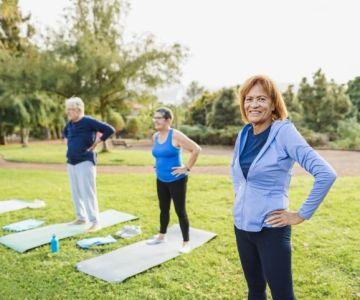
The fear of falling is a significant concern for many seniors and can often lead to decreased activity levels. To help alleviate this fear, focus on strengthening exercises that improve balance and stability. Encouraging gentle physical activities like yoga or tai chi can help seniors gain confidence in their mobility and reduce their fear of falling.
4.3 Mental Health Challenges
Mental health issues such as depression or anxiety can affect a senior’s confidence and independence. It’s important to address these issues with proper medical care, therapy, and social support. Encouraging open communication about mental health and providing a safe space for seniors to talk about their feelings can help them feel more supported and confident.
5. Real-Life Story: A Senior’s Journey to Greater Independence
Meet Carol, an 80-year-old woman who had lived with her daughter for several years. Carol had become quite dependent on her daughter for daily tasks, and her confidence had started to decline. After a conversation about her desire to regain some independence, they worked together to make small changes around the house, such as adding grab bars in the bathroom and rearranging the kitchen so Carol could easily access everything she needed.
Carol also started a daily routine of light stretching and walking around the neighborhood. With some encouragement, she began cooking simple meals again and taking on small responsibilities, like watering the plants. Over time, Carol’s confidence grew, and she felt more empowered to take control of her life again. Her daughter supported her by offering gentle reminders and celebrating her accomplishments, which made a big difference in Carol’s journey to independence.
6. Conclusion: Empowering Seniors to Live with Confidence
Building confidence and independence in seniors is not only possible but highly rewarding. By providing the right environment, offering support when needed, and encouraging seniors to take charge of their lives, you can help them maintain a sense of purpose, dignity, and self-worth. It’s essential to foster an environment where seniors feel capable and empowered, whether they’re at home or out in the community.
If you're looking for products or services that can support your efforts in empowering seniors, visit HomeCare Hub for recommendations on items that promote independence and ease at home. By making small, thoughtful changes, you can help your loved ones lead more independent and confident lives.





 Lotus In-Home Care5.0 (10 reviews)
 Eyanu Health Services5.0 (2 reviews)
 TheKey - Senior Home Care4.0 (62 reviews)
 Magnus Care5.0 (5 reviews)
 FirstLight Home Care of Pasadena and San Gabriel4.0 (59 reviews)
 South Bay Home Health Care - Service & Repair4.0 (15 reviews)
 The Role of Technology in Enhancing Senior Care
 How to Create a Morning Routine That Energizes Aging Loved Ones
 How Arts, Crafts, and Music Can Enhance Daily Life for Seniors
 Tips for Maintaining Cognitive Health Through Daily Mental Challenges
 How to Encourage Seniors to Explore New Skills and Interests Safely
 How to Budget for Home Care: Tips for Families