
- 1- The Importance of Mental Health for Seniors
- 2- Understanding Cognitive Function and Aging
- 3- Healthy Lifestyle Tips to Support Brain Health
- 4- Engaging the Mind: Fun Activities for Seniors
- 5- Real-Life Case Study: Improving Mental Sharpness in Seniors
1- The Importance of Mental Health for Seniors
As we age, maintaining mental sharpness becomes crucial for overall well-being. Cognitive decline is a natural part of aging, but it doesn't have to be inevitable. Supporting older adults in maintaining mental sharpness can improve their quality of life, enhance their independence, and help them enjoy their golden years to the fullest.
Mental health plays a major role in seniors' ability to manage daily tasks, interact with family and friends, and maintain a positive outlook. Mental sharpness isn't just about memory retention; it also includes the ability to think critically, solve problems, and stay engaged in life. Supporting seniors in preserving these cognitive functions helps prevent the onset of more serious issues like dementia or Alzheimer's disease.

2- Understanding Cognitive Function and Aging
Cognitive function refers to the mental processes involved in learning, remembering, thinking, and problem-solving. As people age, it's natural for certain cognitive abilities to decline, but this doesn't mean that cognitive decline will affect everyone the same way.
Several factors influence cognitive health in older adults, including genetics, lifestyle choices, and the presence of other health conditions. While some level of cognitive decline may be inevitable, there's much you can do to help older adults slow the process and maintain brain health. Understanding the science behind aging and cognition is crucial to providing effective support.

Connections Care Home Consultants
Los AngelesLos Angeles CountyCalifornia
2658 Griffith Park Blvd #224, Los Angeles, CA 90027, USA
3- Healthy Lifestyle Tips to Support Brain Health
Maintaining a healthy lifestyle is one of the most effective ways to support brain health in older adults. A well-balanced diet, regular exercise, and sufficient sleep are essential for promoting cognitive function.
1. Balanced Diet: A diet rich in antioxidants, healthy fats, and vitamins is key to maintaining mental sharpness. Foods like leafy greens, berries, fatty fish, nuts, and seeds provide the nutrients needed to support brain health.
2. Regular Physical Activity: Exercise isn’t just good for the body; it’s also beneficial for the brain. Regular physical activity increases blood flow to the brain, which supports the growth of new brain cells and the maintenance of existing ones. Activities like walking, swimming, and yoga are excellent choices for seniors.
3. Quality Sleep: Sleep is essential for cognitive function. Seniors should aim for 7-9 hours of quality sleep each night to help consolidate memories and support overall brain health. A consistent sleep schedule, relaxation techniques, and a comfortable sleep environment can promote better rest.
4- Engaging the Mind: Fun Activities for Seniors
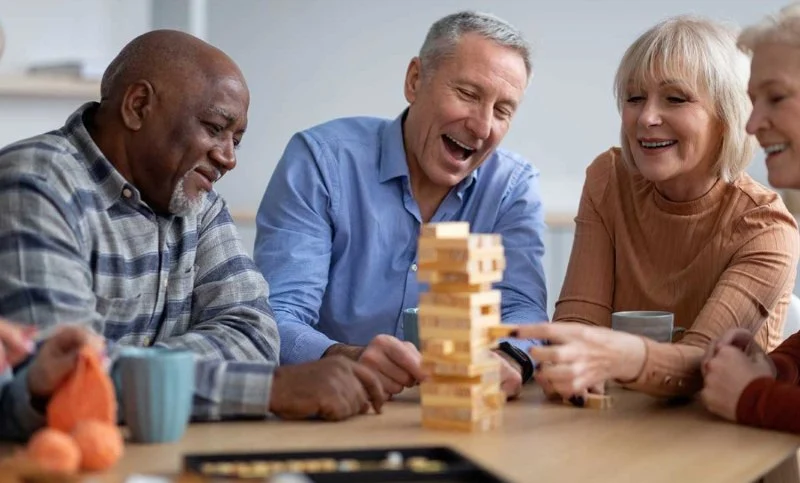
Engaging the mind through stimulating activities is another effective strategy for maintaining mental sharpness. Keeping the brain active helps to improve memory, enhance problem-solving skills, and combat cognitive decline.
1. Puzzles and Games: Activities like crossword puzzles, Sudoku, and chess can help stimulate the brain. These exercises challenge the mind, promote mental flexibility, and improve concentration.
2. Lifelong Learning: Encourage seniors to take up new hobbies or learning experiences. This could include learning a new language, picking up a musical instrument, or taking online classes. Lifelong learning helps the brain stay active and adaptable.
3. Social Interaction: Regular socializing can keep the brain sharp. Encourage older adults to engage in conversations with friends and family, join community clubs, or participate in social events to keep their minds engaged and connected with others.
5- Real-Life Case Study: Improving Mental Sharpness in Seniors
Let’s look at the story of Joan, a 70-year-old woman who started noticing memory lapses and difficulty concentrating. Concerned about the potential onset of Alzheimer's, she decided to take action by focusing on her mental health. Joan made changes to her lifestyle, including eating a balanced diet, starting a daily walking routine, and challenging herself with puzzles and reading.
After six months, Joan reported feeling more mentally sharp. Her memory improved, and she noticed greater mental clarity and focus. She also felt more energized and engaged in social activities, which helped reduce feelings of isolation.
Joan's story illustrates the importance of taking proactive steps to support brain health. By focusing on diet, exercise, and mental stimulation, seniors can experience significant improvements in their mental sharpness and overall well-being.
Final Tips for Supporting Senior Mental Sharpness
- Encourage a Healthy Lifestyle: A balanced diet, regular physical activity, and adequate sleep are foundational for mental health in seniors.
- Promote Mental Engagement: Keep the brain active with puzzles, games, learning new skills, and regular social interactions.
- Provide Emotional Support: Offer encouragement and a listening ear to help reduce stress, anxiety, and isolation in seniors.
- Consult a Professional: For personalized tips and guidance, consult a healthcare provider or visit HomeCare Hub for more information on supporting mental health in older adults.
With the right strategies in place, you can help older adults maintain their mental sharpness and enjoy an active, fulfilling life well into their later years. Start incorporating these tips today to support the mental well-being of your loved ones.






 Mom's Home Care5.0 (5 reviews)
 Healthy Heart Home Care0.0 (0 reviews)
 Light Home Health0.0 (0 reviews)
 Alexandria Home Care LLC5.0 (4 reviews)
 Amada Senior Care5.0 (4 reviews)
 WAYS Home Care & Health Agency, LLC4.0 (15 reviews)
 Success Story: Managing Dementia at Home
 How Virtual Reality is Revolutionizing Dementia Therapy for Patients
 How to Encourage Seniors to Stay Active During Inclement Weather
 Tips for Encouraging Older Adults to Engage With Technology Safely
 How to Encourage Older Adults to Pursue New Hobbies and Interests
 Tips for Supporting Seniors With Chronic Health Conditions