
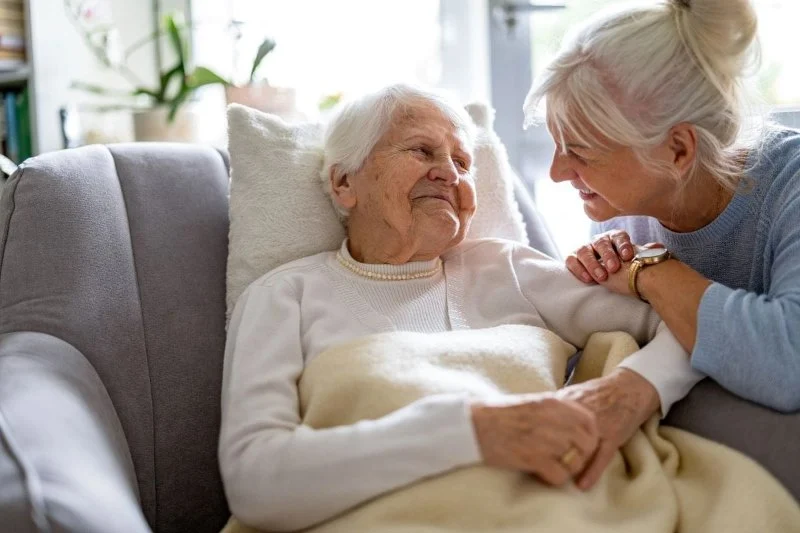
1. Understanding Dementia: The Basics
Dementia is a broad term used to describe a range of cognitive impairments, including memory loss, impaired reasoning, and changes in behavior. It typically affects older adults and can significantly impact daily living. The most common form of dementia is Alzheimer's disease, but other types, such as vascular dementia and Lewy body dementia, also exist. Understanding the different forms of dementia is crucial for caregivers and family members to provide appropriate support.
While dementia often involves a gradual decline in cognitive function, its effects vary widely depending on the individual. Early diagnosis and intervention are key to improving quality of life and managing symptoms effectively.

2. Recognizing Early Signs of Dementia
Identifying the early signs of dementia can be challenging, as some symptoms overlap with normal age-related changes. However, recognizing these signs early can lead to quicker interventions and improved care. Here are some common early signs of dementia to watch for:
- Memory loss: Forgetting recent events or conversations is often one of the first signs. However, it’s important to distinguish between occasional forgetfulness and more persistent memory issues.
- Difficulty with familiar tasks: People with dementia may struggle with everyday tasks, such as cooking a meal or managing finances, that they previously found easy.
- Confusion and disorientation: Individuals may get lost in familiar places, forget the day or time, or have trouble recognizing loved ones.
- Language difficulties: Difficulty finding the right words or repeating oneself in conversations can be a sign of cognitive decline.
- Personality changes: Dementia can lead to significant personality shifts, including increased irritability, anxiety, or apathy.
If you notice these signs in a loved one, it’s important to consult a doctor. Early diagnosis and treatment can help manage symptoms and improve quality of life.

Regency Home Health Care, Inc.
ArcadiaLos Angeles CountyCalifornia
60 Alta St #202, Arcadia, CA 91006, USA
3. Tips for Managing Dementia at Home
Managing dementia at home requires patience, understanding, and creating a structured environment that promotes safety and well-being. Here are some tips for caregivers:
- Create a routine: Consistency and structure help individuals with dementia feel more secure. Set regular times for meals, activities, and bedtime to reduce confusion and anxiety.
- Use reminders: Written reminders, clocks, and calendars can help those with dementia remember important tasks and events. Labeling items around the house can also improve independence and reduce confusion.
- Ensure safety: Dementia can increase the risk of falls and accidents. Remove tripping hazards, install grab bars in the bathroom, and make sure that the home is well-lit to prevent accidents.
- Promote social engagement: Regular social interactions can help improve mood and cognitive function. Encourage activities such as short walks, family visits, or participating in hobbies.
- Take breaks: Caregiving can be demanding, and it’s important to take breaks to avoid burnout. Ask for help from family members or hire a professional caregiver if necessary.
By following these tips, caregivers can create a more supportive environment for their loved ones with dementia, helping them to maintain independence and dignity as long as possible.
4. A Success Story: Managing Dementia at Home
Meet Jane, a dedicated daughter who successfully managed her father’s dementia care at home. When her father, Bob, was diagnosed with Alzheimer's disease, Jane decided to take on the responsibility of caregiving. Although it was overwhelming at first, she quickly realized the importance of establishing a daily routine and staying organized.
Jane began by creating a simple, structured daily schedule for Bob, including regular meals, walks, and a bedtime routine. She also made use of reminder notes and labels around the house to help him maintain his independence. As his condition progressed, Jane enlisted the help of a part-time caregiver to assist with personal care tasks, which gave her the opportunity to take breaks and focus on her own well-being.
By staying patient and proactive, Jane was able to provide a loving, supportive environment for her father, ensuring he remained comfortable and engaged. Her story demonstrates that, with the right approach, managing dementia at home is possible and can lead to meaningful, positive outcomes for both the caregiver and the person living with dementia.
5. Support Resources for Caregivers
Caregivers of individuals with dementia often face unique challenges, but they don’t have to do it alone. There are many resources available to provide support and guidance:
- Alzheimer’s Association: Offers educational materials, support groups, and caregiver resources.
- Local support groups: Many communities offer in-person and online support groups for caregivers of people with dementia.
- HomeCare Hub: At HomeCare Hub, we provide products and services designed to make caregiving easier, including dementia-friendly tools, home safety products, and professional caregiving services.
- Professional caregivers: Hiring a professional caregiver can help reduce stress and ensure that your loved one receives the best possible care.
By utilizing these resources, caregivers can find the support they need to manage dementia at home while maintaining their own health and well-being.






 WAYS Home Care & Health Agency, LLC4.0 (15 reviews)
 EMO Home Healthcare5.0 (1 reviews)
 Everest Peak Home HealthCare5.0 (1 reviews)
 Caring Senior Service5.0 (4 reviews)
 Fast Recovery Home Health Care0.0 (0 reviews)
 St Jude Cares5.0 (2 reviews)
 How to Encourage Seniors to Stay Active During Inclement Weather
 How to Teach and Encourage Healthy Lifestyle Habits in Aging Loved Ones
 Understanding the Stages of Alzheimer’s Disease: Early, Middle, and Late
 The Benefits of Journaling and Creative Writing for Older Adults
 What to Expect from In-Home Care Services
 How to Make Your Home Feel Cozy and Inviting