HomeCare Hub
HomeHomeCare TipsHome Care Near Me
California

HomeCare HubHomeCare Tips

How Virtual Reality is Revolutionizing Dementia Therapy for Patients

How Virtual Reality is Revolutionizing Dementia Therapy for Patients

1-Introduction

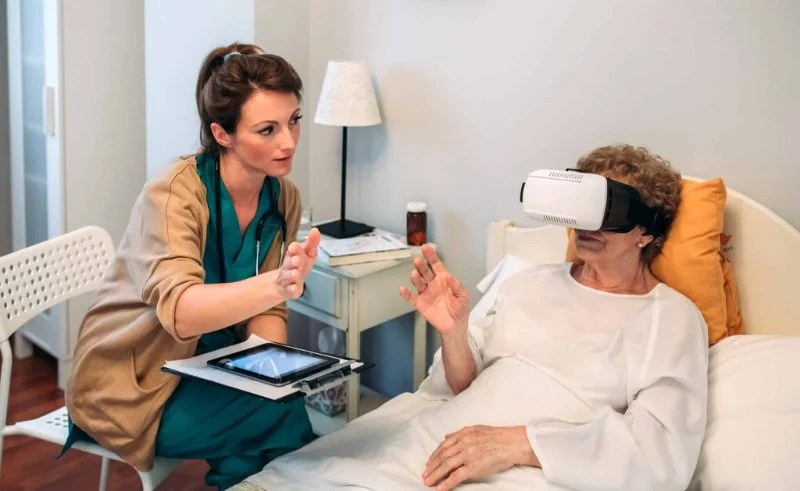
Dementia, including Alzheimer’s disease, is a progressive condition that affects millions of people worldwide. As the disease progresses, individuals often experience memory loss, confusion, and difficulty performing everyday tasks. Traditional treatments focus on medication and therapy to help manage symptoms, but emerging technologies like Virtual Reality (VR) are offering new hope for patients and caregivers alike. This article explores how VR is being used in dementia therapy and the benefits it brings to those affected by the disease.

2-How VR Works in Dementia Therapy

Virtual Reality involves creating immersive, interactive experiences that stimulate the senses. In the context of dementia therapy, VR is used to create environments that help improve cognitive function, memory, and emotional well-being. Here’s how it works:1. Immersive EnvironmentsVR can transport patients to familiar, calming environments, such as a beach, a forest, or their childhood home. These environments can help trigger positive memories and evoke a sense of peace and comfort. For dementia patients, these experiences can provide mental stimulation that encourages memory recall and reduces anxiety.2. Memory StimulationVR technology can be used to simulate real-life scenarios that help patients practice everyday tasks, such as cooking, shopping, or interacting with others. By engaging patients in these activities in a safe, controlled virtual space, therapists can encourage cognitive function and problem-solving abilities.3. Tailored TherapyEach dementia patient experiences different symptoms, so VR therapy can be customized to suit individual needs. Whether it’s a session focused on memory recall, social interaction, or relaxation, VR can be adjusted to provide the most beneficial experience for each patient.

3-Benefits of VR for Dementia Patients

Virtual Reality offers a wide range of benefits for dementia patients, particularly those who are in the early to middle stages of the disease. Here are some key advantages:1. Cognitive EnhancementStudies have shown that VR can help improve memory, attention, and cognitive skills in dementia patients. By engaging in virtual activities and games, patients stimulate their brains in a way that traditional therapies cannot.2. Reduced Anxiety and AggressionMany dementia patients experience anxiety and aggression, often triggered by confusion or fear. VR can provide a calming effect by offering soothing, immersive environments that reduce stress and help patients feel more at ease.3. Improved Emotional Well-beingVR therapy can create a sense of connection and enjoyment for patients who may otherwise feel isolated. Virtual interactions with family members, friends, or caregivers can foster positive emotions, improving their quality of life.4. Social Interaction and EngagementVR therapy can facilitate social interactions by allowing patients to engage in virtual group activities. For example, patients can interact with others in a shared virtual environment, providing opportunities for socialization and reducing feelings of loneliness.5. Personalized TreatmentAs VR technology evolves, it allows for the creation of more personalized experiences for dementia patients. Whether it’s recreating a memory from the past or providing therapeutic exercises, VR can be tailored to meet the individual’s unique needs.

4-Real-World Examples of VR in Dementia Treatment

Several healthcare institutions and organizations have begun integrating VR into dementia care, achieving promising results. Here are a few examples:1. VR Care Programs for Alzheimer’s PatientsOrganizations like Rendever, a company dedicated to using VR for seniors, have introduced VR care programs in nursing homes and assisted living facilities. Their VR platform allows dementia patients to take virtual tours, experience nostalgic memories, and engage in guided therapy sessions. The results have been remarkable, with many patients showing improved cognitive function and mood.2. Virtual Memory LanesSome VR programs are designed to recreate familiar environments from a patient’s past. For example, a program called “Memory Lane” allows dementia patients to visit virtual versions of their childhood homes or favorite vacation spots. These nostalgic experiences can help stimulate memory and improve emotional health.3. In-Home VR TherapyFor patients who are unable to attend therapy sessions in person, VR headsets can be used at home. Devices like Oculus Rift and HTC Vive offer virtual experiences that caregivers can set up, allowing patients to enjoy VR therapy in a familiar environment. This can help reduce the need for hospital visits and allow patients to access therapy more conveniently.

5-The Future of VR in Dementia Care

As technology continues to advance, the potential applications of VR in dementia care are expanding. Here are some exciting possibilities for the future:1. More Immersive ExperiencesAs VR technology becomes more advanced, the experiences offered will become more immersive and realistic. Future VR programs may include even more detailed environments that can better replicate real-life interactions, providing patients with a deeper sense of connection.2. Integration with AI and DataIn the future, VR could be combined with artificial intelligence (AI) to create adaptive therapy programs that track a patient’s progress and adjust the experience accordingly. This integration could allow for more precise and individualized treatments, ensuring the best outcomes for dementia patients.3. Wider AccessibilityAs VR technology becomes more affordable and accessible, it’s likely that more healthcare providers and families will adopt it as part of dementia care. This will help expand the benefits of VR therapy to a wider range of patients, improving care in both institutional and home settings.

Conclusion

Virtual Reality is revolutionizing dementia therapy by providing patients with innovative tools for memory stimulation, emotional support, and cognitive enhancement. With its ability to create immersive, personalized experiences, VR holds great promise for improving the quality of life for individuals living with dementia. As technology advances, the potential for VR in dementia care continues to grow, offering hope for better outcomes and a more connected, engaging experience for both patients and caregivers.For more resources on dementia care and therapy, visit HomeCare Hub for helpful tips and recommendations.

Popular Blog Posts

Categories

Top Visited Sites

Trending HomeCare Tips Posts