- 1. What is Remote Patient Monitoring?
- 2. Key Benefits of Remote Patient Monitoring
- 3. How Remote Patient Monitoring Improves Health Outcomes
- 4. Technology Behind Remote Patient Monitoring
- 5. Real-World Examples of Remote Patient Monitoring Success
- 6. Challenges and Considerations in Remote Patient Monitoring
1. What is Remote Patient Monitoring?
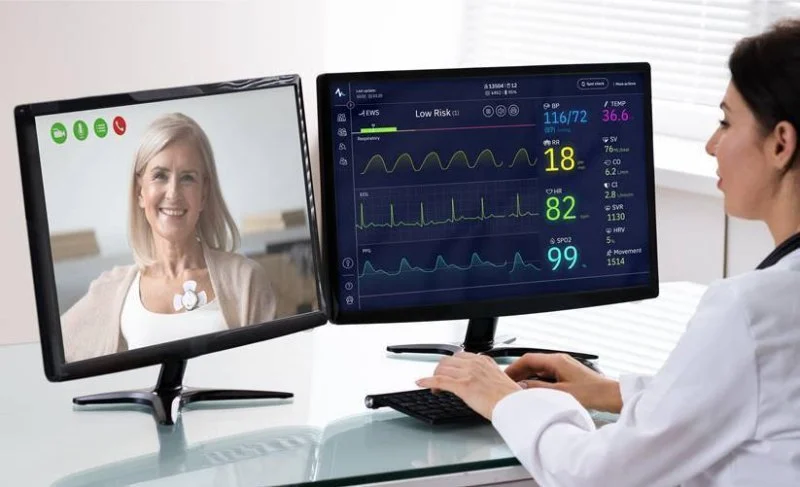
Remote Patient Monitoring (RPM) is a modern healthcare solution that involves the use of digital tools and technologies to monitor a patient's health outside of a clinical setting. RPM allows healthcare providers to collect data from patients in real time, making it easier to track chronic conditions, improve patient outcomes, and reduce healthcare costs.

Right at Home
Santa MonicaLos Angeles CountyCalifornia
1750 14th St ste a, Santa Monica, CA 90404, USA
2. Key Benefits of Remote Patient Monitoring
Remote Patient Monitoring offers several advantages, both for patients and healthcare providers. Here are the key benefits:

A Better Solution In Home Care Burbank
Los AngelesLos Angeles CountyCalifornia
5535 Balboa Blvd Suite 111, Encino, CA 91316, USA
2.1 Improved Access to Healthcare
One of the major advantages of RPM is that it provides patients with better access to healthcare, especially in rural or underserved areas. Patients no longer have to travel long distances for regular checkups, as their vital health data can be monitored remotely by healthcare professionals.
2.2 Continuous Monitoring and Early Intervention
RPM enables continuous monitoring of vital signs, such as blood pressure, blood glucose levels, and heart rate. This allows healthcare providers to detect any abnormalities early, potentially preventing serious health issues before they become critical. Early intervention can save lives and reduce the need for emergency interventions.
2.3 Cost Savings
By reducing hospital readmissions and emergency visits, RPM can help lower overall healthcare costs. Patients can receive regular monitoring at home, which decreases the need for costly in-person appointments and hospital stays.
2.4 Empowerment of Patients
With RPM, patients are more involved in managing their health. They can track their own health metrics and make lifestyle adjustments based on real-time feedback, promoting healthier behaviors and improving patient engagement.
3. How Remote Patient Monitoring Improves Health Outcomes
RPM has been shown to improve health outcomes, particularly for patients with chronic conditions. Here’s how RPM contributes to better health:
3.1 Chronic Disease Management
Patients with chronic diseases like diabetes, hypertension, and heart conditions can benefit from RPM by consistently monitoring their health metrics. Regular data collection helps ensure that conditions are under control and that any necessary adjustments to treatment are made in a timely manner.
3.2 Prevention of Complications
For individuals at risk of complications from conditions like diabetes, RPM can detect signs of deterioration before they lead to serious health issues. For example, patients with diabetes can monitor their blood sugar levels regularly, preventing extreme spikes or dips that could lead to emergency situations.
3.3 Reduction of Hospitalizations
By providing early alerts and continuous monitoring, RPM can reduce hospitalizations. Patients who are continuously monitored can receive timely medical interventions at home, preventing the need for emergency care or hospitalization due to untreated conditions.
4. Technology Behind Remote Patient Monitoring
The technology behind RPM consists of various digital tools that enable the collection and transmission of health data. These include:
4.1 Wearable Devices
Wearable devices like fitness trackers, smartwatches, and biosensors are commonly used in RPM to track vital signs like heart rate, oxygen levels, and sleep patterns. These devices sync with apps or platforms that transmit data to healthcare providers for analysis.
4.2 Mobile Health Apps
Mobile apps play a key role in RPM by allowing patients to input and track their health data, such as glucose levels, weight, or medication adherence. These apps also provide a direct line of communication between patients and healthcare providers.
4.3 Telemedicine Platforms
Telemedicine platforms facilitate video consultations, allowing healthcare providers to interact with patients remotely. These platforms integrate with RPM systems to give providers real-time access to patient data during virtual visits.
5. Real-World Examples of Remote Patient Monitoring Success
Numerous healthcare systems and companies have successfully implemented RPM with positive results. Here are a few examples:
5.1 RPM for Heart Disease
Patients with heart disease are often required to monitor their blood pressure and heart rate regularly. A health system in California implemented RPM for heart patients, resulting in a 25% decrease in hospital readmissions. Continuous monitoring enabled early detection of problems and timely interventions.
5.2 RPM for Diabetes Management
A diabetes management program using RPM tools like continuous glucose monitors (CGMs) helped patients better manage their blood sugar levels. As a result, patients had fewer emergency visits and demonstrated improved overall health outcomes.
5.3 RPM for Post-Surgery Recovery
Post-surgery patients can benefit from RPM by allowing healthcare providers to monitor their recovery from home. RPM helps in tracking wound healing, medication adherence, and preventing complications like infections, leading to faster recovery times.
6. Challenges and Considerations in Remote Patient Monitoring
While RPM offers great potential, it also comes with challenges that need to be addressed to ensure its effectiveness:
6.1 Data Privacy and Security
As RPM involves the transmission of sensitive health data, ensuring the privacy and security of this information is crucial. Healthcare providers must use secure platforms and encryption methods to protect patient data from unauthorized access.
6.2 Patient Engagement
For RPM to be effective, patients need to actively engage with the technology. Some patients may struggle with using digital tools or feel disconnected from their healthcare provider. Healthcare systems must provide proper training and support to ensure patient success.
6.3 Technology Accessibility
Not all patients have access to the necessary technology for RPM, such as smartphones or wearables. Efforts must be made to ensure equitable access to these tools, especially for underserved communities.
Learn more about how RPM can improve healthcare and discover the best products for your needs by visiting HomeCare Hub.






 Guardian Angels Home care5.0 (17 reviews)
 Attentive Home Care5.0 (24 reviews)
 SoCal Home Health Assistance5.0 (4 reviews)
 Davis In-Home Care, Inc.4.0 (18 reviews)
 Titanium Healthcare5.0 (1 reviews)
 Home Matters Caregiving - Orange Coast5.0 (4 reviews)
 How to Make Personal Care and Grooming Comfortable and Respectful
 The Benefits of Aromatherapy in Senior Care: Enhancing Well-being and Comfort
 The Role of Music Therapy in Dementia Care: Enhancing Well-being and Quality of Life
 How to Make Home Environments Comfortable and Stimulating for Older Adults
 How to Transition from Hospital to Home Care
 How the Aging Population is Impacting Home Care Services