
- 1-Importance of Nutrition and Hydration for Seniors
- 2-Challenges Seniors Face With Eating and Hydration
- 3-Practical Tips for Healthy Eating
- 4-Hydration Strategies for Seniors
- 5-Real-Life Examples of Successful Habits
- 6-Recommendations for Senior-Friendly Products
1. Importance of Nutrition and Hydration for Seniors
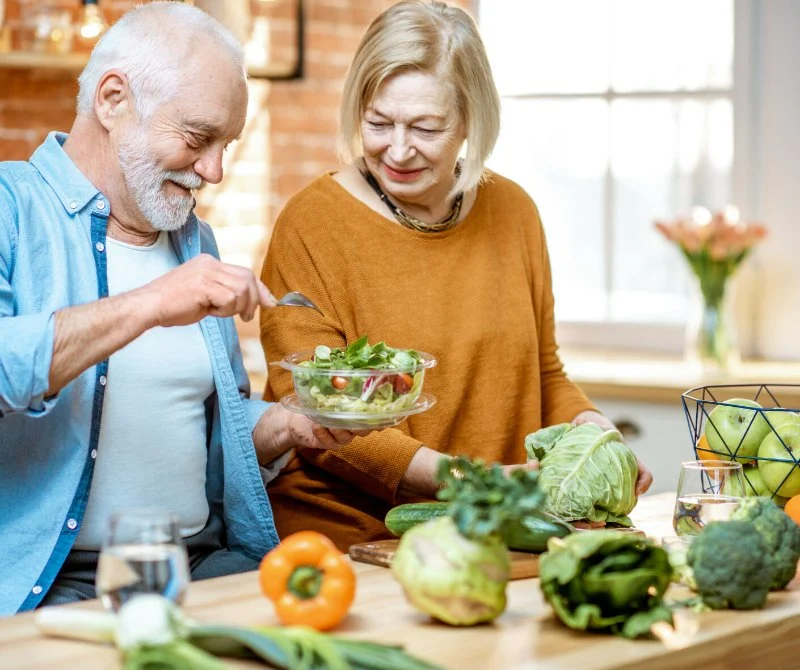
Maintaining proper nutrition and hydration is essential for seniors to ensure good health and quality of life. As people age, their body’s ability to absorb nutrients and stay hydrated can decline, which makes it even more important to pay close attention to their dietary habits. A well-balanced diet and adequate fluid intake can reduce the risk of chronic illnesses, promote energy levels, and improve cognitive function, all of which are key to living a fulfilling life.

Loving Care Facility for the Elderly
FullertonOrange CountyCalifornia
2622 W Olive Ave, Fullerton, CA 92833, USA
2. Challenges Seniors Face With Eating and Hydration
Unfortunately, seniors often face challenges that can make eating and staying hydrated difficult. Health issues such as arthritis can make it hard to prepare meals, while dental problems can cause pain when chewing. Additionally, reduced appetite or medication side effects may lead to skipped meals. Hydration is also a concern, as older adults might not feel thirsty as often, which increases the risk of dehydration. Understanding these obstacles can help caregivers and loved ones provide better support.

H & M Home Health Care, Inc.
PasadenaLos Angeles CountyCalifornia
232 N Lake Ave Suite 209, Pasadena, CA 91101, USA
3. Practical Tips for Healthy Eating
Helping seniors maintain healthy eating habits doesn’t have to be complicated. Here are some practical tips that can make a significant difference:
- Small, frequent meals: Seniors may find it easier to eat smaller portions throughout the day rather than large meals. This can help maintain energy levels and reduce feelings of fullness.
- Easy-to-eat, nutrient-dense foods: Focus on providing soft, easy-to-chew foods that are rich in essential nutrients. Examples include smoothies, mashed vegetables, yogurt, and eggs.
- Incorporate a variety of foods: Ensure that meals are balanced and contain a variety of food groups. This includes lean proteins, whole grains, fruits, and vegetables to ensure all nutritional needs are met.
- Involve the senior in meal planning: Letting seniors have a say in their meals can motivate them to eat better. Take their preferences and dietary needs into account when preparing meals.
4. Hydration Strategies for Seniors
Staying hydrated is just as important as eating well. Seniors need to drink water regularly, but sometimes they may forget or avoid drinking enough. Here are some strategies to encourage hydration:
- Flavor the water: Adding a slice of lemon or cucumber to water can make it more appealing, especially for seniors who may find plain water unappealing.
- Offer hydrating foods: Include fruits and vegetables with high water content in their meals, such as watermelon, cucumbers, and oranges.
- Set reminders: Use a timer or an app to remind seniors to drink water throughout the day. It can be easy for them to forget, especially if they’re not feeling thirsty.
- Offer warm beverages: Sometimes seniors prefer warm drinks like herbal teas or broths, which can also contribute to hydration while being comforting.
5. Real-Life Examples of Successful Habits
Real-life examples can help to illustrate how these tips work in practice. Take the example of a senior couple in Ohio, John and Mary, who struggled with hydration. Their daughter introduced a daily habit of drinking flavored water, which made a significant improvement in their fluid intake. John, who was hesitant to drink plain water, now enjoys his cucumber-infused water every day, and Mary has found that the daily reminder helps her remember to hydrate. These small adjustments have made a big difference in their overall health and energy levels.
Another example is Sarah, a 74-year-old woman in New York, who faced difficulties with preparing meals due to arthritis. She now receives meals from a local service that specializes in senior nutrition. The service provides soft, nutrient-rich meals that are easy to eat, and Sarah finds herself eating more regularly, leading to an improvement in her energy and mood.
6. Recommendations for Senior-Friendly Products
There are a variety of products available to help seniors maintain healthy eating and hydration habits. Here are a few products that can make a difference:
- Easy-to-use blenders: A high-quality blender can help prepare smoothies that are packed with nutrients and easy to consume. Look for models that are simple to operate and clean.
- Hydration reminder apps: Apps like “Hydrate Me” or “Water Reminder” can be very helpful in setting reminders to drink water throughout the day.
- Adaptive utensils: Special utensils that are easier to hold can help seniors with arthritis or limited hand mobility enjoy their meals without frustration.
- Meal delivery services: Many companies offer meal delivery services that cater to seniors’ specific nutritional needs. Consider services that provide soft, nutrient-dense meals for seniors with difficulty chewing.






 Assisted Home Health & Hospice4.0 (20 reviews)
 Life Start Home Health Care5.0 (1 reviews)
 Home Instead Home Care Services of Pasadena4.0 (93 reviews)
 Aristocare Homecare Inc.1.0 (1 reviews)
 Heavenly Home Health Care5.0 (1 reviews)
 Carson Healthcare Services LLC5.0 (2 reviews)
 How to Make Home Exercises Engaging and Safe for Older Adults
 The Importance of Self-Care for Family Caregivers
 How Technology is Improving Medication Management for Seniors
 Emerging Trends in Senior Health Care: Innovations and Improvements
 How to Choose the Right Home Care Provider for Your Loved One | Guide for Families
 How to Use Positive Reinforcement to Support Healthy Habits in Seniors