
Unlocking the Power of Music Therapy in Dementia Care
- 1 - Understanding Music Therapy and Its Benefits
- 2 - Impact on Cognitive Function in Dementia Patients
- 3 - Emotional Well-Being and Behavioral Support
- 4 - Practical Music Intervention Strategies
- 5 - Personalized Approaches for Different Stages of Dementia
- 6 - Case Studies and Success Stories
- 7 - Integrating Music Therapy into Home and Community Care
- 8 - Training Caregivers and Family Members
- 9 - Measuring Outcomes and Progress
- 10 - Conclusion and Next Steps
1 - Understanding Music Therapy and Its Benefits
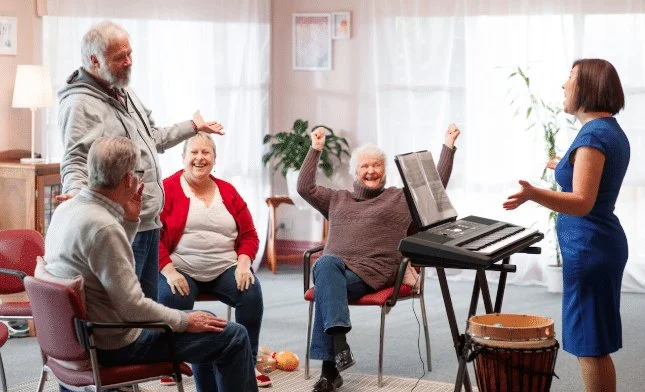
Music therapy is a structured intervention led by certified therapists that uses music to address physical, cognitive, emotional, and social needs. In dementia care, music therapy helps stimulate memory recall, reduce agitation, and promote engagement. Unlike passive listening, therapy sessions are tailored to the individual’s musical preferences and cognitive abilities, creating an enjoyable and effective therapeutic experience.

Heavenly Home Health Care
BurbankLos Angeles CountyCalifornia
3200 W Burbank Blvd Suite 100, Burbank, CA 91505, USA
2 - Impact on Cognitive Function in Dementia Patients
Research has demonstrated that music therapy can enhance cognitive function in individuals with dementia. Activities such as singing familiar songs, rhythmic clapping, and interactive instrument sessions stimulate multiple areas of the brain. Regular engagement can support memory retention, attention span, and executive functioning. Even in later stages of dementia, patients often respond to music with recognition and verbal or nonverbal engagement.
3 - Emotional Well-Being and Behavioral Support
Music therapy has profound effects on emotional health. It can:
- Reduce anxiety, depression, and stress levels.
- Alleviate agitation and aggression commonly associated with dementia.
- Foster social connection through group sessions and shared musical experiences.
- Provide comfort and enhance mood through familiar melodies and rhythms.
By addressing emotional needs, music therapy improves overall quality of life and can decrease reliance on pharmacological interventions.
4 - Practical Music Intervention Strategies
Effective interventions include:
- Personalized playlists of songs from the individual’s past.
- Guided sing-alongs that encourage participation and recall.
- Instrumental activities with simple percussion instruments for motor engagement.
- Movement and dance sessions synchronized with music for physical activity.
- Combining music with storytelling or reminiscence therapy to trigger memories.
5 - Personalized Approaches for Different Stages of Dementia
Each stage of dementia requires adapted strategies:
- Early Stage: Engage with complex musical activities, including lyric-based memory exercises and group participation.
- Middle Stage: Focus on familiar songs and rhythmic movements to encourage emotional expression and interaction.
- Late Stage: Use simple melodies, gentle rhythms, and passive listening to calm agitation and evoke recognition.
6 - Case Studies and Success Stories
Several care facilities have documented remarkable improvements in patients exposed to consistent music therapy programs. One case involved a resident with moderate Alzheimer's who became more communicative and cooperative during meal times after a daily 20-minute music session. Another example showed reduced episodes of aggression among residents when background music was introduced in common areas.
7 - Integrating Music Therapy into Home and Community Care
Family members and caregivers can incorporate music therapy at home by:
- Playing personalized playlists during routine activities.
- Encouraging sing-alongs or humming familiar tunes together.
- Using simple instruments such as tambourines or maracas for interactive sessions.
- Scheduling regular music sessions to establish routine and predictability.
8 - Training Caregivers and Family Members
Training is essential to maximize benefits. Caregivers should understand:
- How to select appropriate music tailored to the patient’s age, culture, and preferences.
- Techniques to facilitate engagement without causing frustration.
- Ways to observe responses and adjust activities accordingly.
- Strategies to use music alongside other therapeutic approaches.
9 - Measuring Outcomes and Progress
Tracking the effectiveness of music therapy helps optimize its use:
- Document changes in mood, agitation, and participation.
- Record cognitive responses such as recall of lyrics or musical patterns.
- Note social interaction improvements with peers and caregivers.
- Adjust interventions based on observed outcomes to maintain engagement and safety.
10 - Conclusion and Next Steps
Music therapy plays a critical role in enhancing cognitive, emotional, and social well-being for individuals living with dementia. By implementing personalized strategies, monitoring progress, and integrating therapy into home or facility-based care, seniors can experience meaningful improvements in quality of life. For practical tools, guidance, and expert advice on dementia care, visit HomeCare Hub to explore resources and actionable strategies to implement effective music therapy programs safely and successfully.






 Bupsy of Santa Monica5.0 (8 reviews)
 Southview Home Care Services0.0 (0 reviews)
 Garden Ville Home Care5.0 (2 reviews)
 Bridge Home Health Inland Empire3.0 (30 reviews)
 Ace Home Care5.0 (12 reviews)
 Longevity and Dignity Homecare4.0 (4 reviews)
 What to Expect from In-Home Care Services | HomeCare Hub
 Understanding the Stages of Alzheimer’s Disease: Early, Middle, and Late
 How to Encourage Seniors to Engage in Light Physical Activity Indoors
 Understanding the Emotional Impact of Aging
 Easy and Safe Home Exercises That Improve Balance and Flexibility in Seniors
 The Benefits of Aromatherapy in Senior Care: Enhancing Well-being and Comfort