
- #importance-of-gentle-movement-for-seniors - Why gentle movement is crucial for seniors
- #types-of-gentle-movement-exercises-for-seniors - Best movement exercises for managing chronic pain
- #benefits-of-gentle-movement-for-pain-relief - How gentle movement helps alleviate chronic pain in seniors
- #real-life-examples-of-seniors-benefiting-from-gentle-movement - Real stories of seniors finding relief through movement
- #creating-a-customized-movement-plan-for-seniors - How to create a personalized movement plan for elderly individuals
1. Why Gentle Movement Is Crucial for Seniors
Chronic pain is a common issue among seniors, often resulting from conditions like arthritis, muscle stiffness, or past injuries. Managing this pain can be challenging, but gentle movement exercises offer a significant improvement in reducing discomfort and improving overall well-being. These low-impact exercises are specifically designed to enhance flexibility, strengthen muscles, and improve mobility without exacerbating pain.

Good Life Home Health Care Services, Inc.
Los AngelesLos Angeles CountyCalifornia
2501 Colorado Blvd # G, Los Angeles, CA 90041, USA
1.1 The Role of Movement in Pain Management
For seniors, maintaining physical activity is key to managing chronic pain. Studies have shown that staying active, even with gentle movements, can reduce the intensity of pain over time. Gentle movement helps to improve circulation, increase joint mobility, and strengthen muscles, all of which contribute to pain relief.

Homestead home health Inc.
PasadenaLos Angeles CountyCalifornia
1122 E Green St, Pasadena, CA 91106, USA
1.2 Improving Quality of Life with Gentle Movement
In addition to pain relief, gentle movement exercises improve the quality of life for seniors by increasing their independence, boosting their mood, and reducing the risk of falls. Regular movement can help seniors regain confidence in their physical abilities, allowing them to stay active and engaged in daily activities.
2. Best Movement Exercises for Managing Chronic Pain
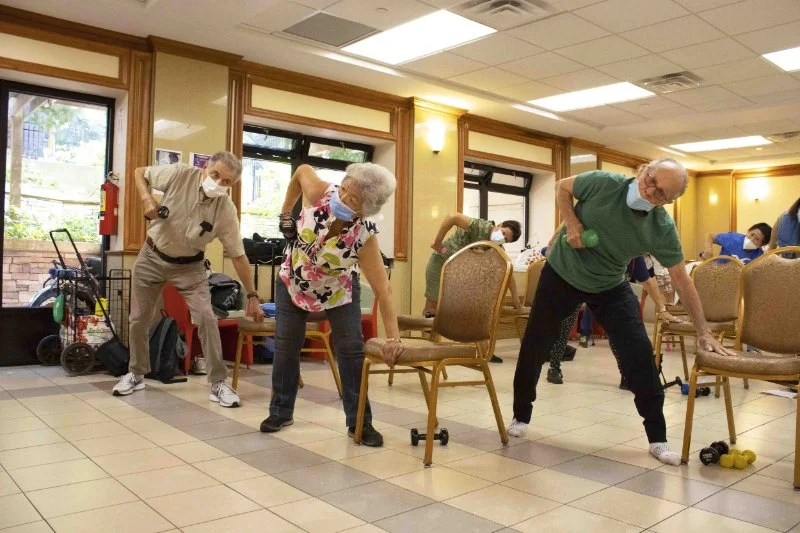
There are several types of gentle movement exercises that are ideal for seniors suffering from chronic pain. These exercises focus on improving mobility, flexibility, and strength, which are all essential for reducing pain and maintaining a healthy lifestyle. Some of the most effective exercises include:
2.1 Chair Yoga
Chair yoga is a low-impact exercise that can help seniors stretch and strengthen their bodies without putting too much strain on their joints. It is a great option for those with limited mobility or those who are new to exercising. Chair yoga exercises can be adapted to the individual’s needs, focusing on flexibility, balance, and relaxation.
2.2 Swimming and Water Aerobics
Water-based exercises, such as swimming and water aerobics, are ideal for seniors with chronic pain. The buoyancy of the water reduces stress on the joints while providing resistance to strengthen muscles. Water exercises are effective in improving flexibility and reducing pain, making them an excellent choice for seniors with arthritis or other joint conditions.
2.3 Tai Chi
Tai Chi is an ancient Chinese practice that involves slow, controlled movements that promote balance, flexibility, and muscle strength. It is particularly beneficial for seniors because it focuses on coordination and can be performed at a gentle pace. Tai Chi is known for its ability to relieve pain, reduce stress, and improve mobility.
3. How Gentle Movement Helps Alleviate Chronic Pain in Seniors
Gentle movement offers a range of benefits for seniors struggling with chronic pain, including:
3.1 Increased Flexibility and Range of Motion
Regular gentle movement exercises help to improve the flexibility of muscles and joints, which can become stiff due to aging or chronic pain conditions. Enhanced flexibility allows seniors to move more easily and comfortably, reducing the strain that pain causes during everyday tasks.
3.2 Strengthening Muscles and Improving Stability
Movement exercises help build muscle strength, which is essential for improving stability and reducing pain in the long term. Stronger muscles help support the body and take the pressure off painful joints, making it easier for seniors to move without discomfort.
3.3 Reducing Stress and Anxiety
Chronic pain is often accompanied by stress and anxiety, which can exacerbate the pain. Gentle movement exercises, such as yoga or Tai Chi, promote relaxation, reduce stress, and help to manage pain levels more effectively. By incorporating mindfulness and breathing techniques, these exercises can improve mental well-being as well as physical health.
4. Real Stories of Seniors Finding Relief Through Movement
There are many inspiring stories of seniors who have found relief from chronic pain through gentle movement exercises. Here are just a few examples:
4.1 Mary’s Journey with Arthritis
Mary, a 70-year-old woman suffering from arthritis, found that incorporating chair yoga into her daily routine helped alleviate the stiffness and pain in her joints. After a few weeks of practicing gentle stretches and movements, she noticed a significant reduction in pain, allowing her to return to her favorite activities, such as gardening.
4.2 John’s Experience with Water Aerobics
John, a senior with chronic back pain, began water aerobics classes twice a week. The low-impact nature of the exercises allowed him to strengthen his core and improve his posture without further aggravating his back pain. Over time, he experienced less discomfort and regained his ability to enjoy long walks with his dog.
5. How to Create a Personalized Movement Plan for Elderly Individuals
Creating a customized movement plan for seniors requires understanding their specific needs, abilities, and pain levels. Here’s how you can develop an effective plan:
5.1 Assess the Senior’s Physical Limitations
Start by assessing the senior’s physical limitations and pain areas. A healthcare professional or physical therapist can help determine the appropriate level of activity. This assessment will help identify which exercises are suitable and ensure the movement plan is safe and effective.
5.2 Choose Low-Impact Exercises
Opt for low-impact exercises, such as yoga, Tai Chi, or swimming, which are gentle on the joints and muscles while still offering significant benefits. Tailor the intensity of the exercises to the senior’s pain level, starting with lighter movements and gradually increasing as they build strength and flexibility.
5.3 Include Rest and Recovery
Incorporate rest periods into the movement plan to ensure that seniors have enough time to recover between sessions. Over-exertion can lead to more pain and injury, so it’s important to balance exercise with appropriate rest.
For more tips and expert advice on supporting seniors with chronic pain, visit HomeCare Hub for comprehensive resources and services tailored to senior care and well-being.




 Heart of the Valley Home Health5.0 (1 reviews)
 California Healthcare Services1.0 (1 reviews)
 Care Unlimited Health Services Inc2.0 (9 reviews)
 Homewatch CareGivers of Long Beach and Torrance4.0 (35 reviews)
 CURING HANDS HOME HEALTH INC5.0 (5 reviews)
 Affinity Home Health5.0 (1 reviews)
 The Importance of Staying Active: Exercises for Seniors
 Legal Rights and Protections for Family Caregivers: Know Your Rights and Benefits
 The Role of Home Modifications in Senior Safety
 The Role of Music Therapy in Dementia Care
 How to Encourage Mindful Eating and Healthy Nutrition Habits
 Strategies for Supporting Seniors Through Stressful or Challenging Times