
- Understanding the Risk of Falls for Seniors
- Key Home Modifications to Reduce Fall Risks
- Tips for Specific Areas in the Home
- Additional Tools and Support for Seniors
- Maintaining Home Safety Long-Term
1. Understanding the Risk of Falls for Seniors
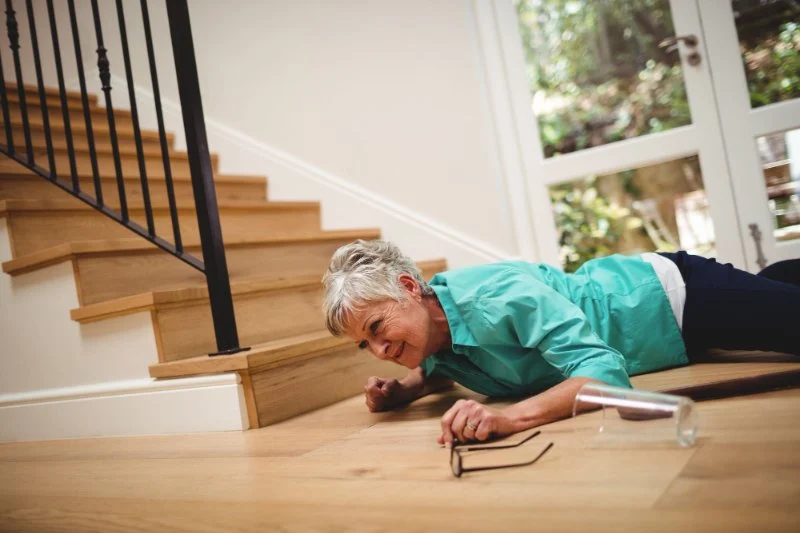
As we age, our bodies naturally experience changes that can affect balance, vision, and mobility. For seniors, falls become an increasing concern, leading to injuries that could impact their independence and quality of life. In fact, falls are one of the leading causes of injuries and hospitalizations for elderly individuals. According to the Centers for Disease Control and Prevention (CDC), 1 in 4 older adults falls each year, and these falls often have serious consequences.
Fortunately, many falls can be prevented with simple changes to the home environment. By identifying common risks and implementing practical solutions, you can significantly reduce the chances of falls and promote a safer living space for older adults. Let’s take a look at some of the key modifications that can make a big difference.

2. Key Home Modifications to Reduce Fall Risks
There are many ways to modify a home to reduce fall risks for seniors. These changes can be simple and affordable, yet they provide a safer and more comfortable living environment. Here are some important modifications to consider:

Regency Home Health Care, Inc.
ArcadiaLos Angeles CountyCalifornia
60 Alta St #202, Arcadia, CA 91006, USA
2.1 Install Grab Bars and Handrails
One of the most effective modifications is the installation of grab bars and handrails in key areas around the home. These additions provide much-needed support in areas where seniors are most at risk of falling, such as bathrooms, stairways, and hallways. Grab bars should be installed next to the toilet, in the shower or bathtub, and along stairs or steps.
Make sure that the bars are securely anchored to the wall and can withstand the weight of someone leaning on them. It's important to hire a professional if you're unsure how to properly install them.
2.2 Improve Lighting Throughout the Home
Poor lighting is a common cause of accidents, especially in the evening or at night. Seniors may not be able to see obstacles or changes in flooring, increasing the risk of tripping. Installing brighter, energy-efficient lighting in dark areas like hallways, staircases, and bathrooms can improve visibility.
Consider adding motion-sensor lights in key areas so that seniors don’t have to fumble for a switch. Nightlights in bedrooms and bathrooms can also be very helpful for those who may need to get up during the night.
2.3 Remove Trip Hazards
Many falls happen when people trip over obstacles in their path. Make sure that the floors in your home are clear of clutter, electrical cords, rugs, and any other items that could cause someone to trip. Non-slip rugs or carpets are a good option, but ensure they’re securely fastened to prevent slipping.
Check for any uneven flooring, loose tiles, or cracked concrete. These issues should be repaired as soon as possible to prevent trips and falls.
3. Tips for Specific Areas in the Home
In addition to the general home modifications, there are specific areas in the home that require special attention to ensure safety for seniors. Below are some tips for making these areas safer:
3.1 The Bathroom
The bathroom is one of the most dangerous areas in the home for seniors, mainly due to wet floors and slippery surfaces. Consider installing a shower chair or bench for seniors who may struggle with standing for long periods. Additionally, adding a non-slip bath mat in the tub or shower will provide extra grip. A raised toilet seat can also make sitting and standing easier and safer.
3.2 The Bedroom
The bedroom should be free of clutter and ensure that the bed is at an appropriate height for getting in and out easily. If the bed is too low or high, a bed riser can be used to adjust the height. Keep necessary items like glasses, medications, and a phone within easy reach of the bed to avoid unnecessary movements at night.
3.3 The Kitchen
In the kitchen, it’s important to keep frequently used items within easy reach to avoid bending or stretching. Install under-cabinet lighting for better visibility and use non-slip mats on the floor to reduce the chance of slipping. Make sure that all cabinets and drawers are easy to open, and consider adding pull-out shelves to minimize reaching.
4. Additional Tools and Support for Seniors
In addition to home modifications, there are several tools and support systems that can assist seniors in maintaining safety and independence. These include:
4.1 Medical Alert Systems
Medical alert systems can provide peace of mind for both seniors and their families. These devices allow seniors to call for help in case of a fall or emergency, even if they are unable to reach a phone. Many systems offer 24/7 monitoring, ensuring immediate assistance in critical situations.
4.2 Mobility Aids
If a senior has difficulty walking or balancing, using a cane, walker, or wheelchair can provide added support. These aids help reduce the risk of falls by providing stability while moving. Make sure that mobility aids are properly fitted and in good working condition.
5. Maintaining Home Safety Long-Term
Once modifications have been made, it’s important to regularly check and maintain the safety features in the home. Ensure that grab bars, handrails, and lighting remain functional. Reevaluate the home periodically to make sure it continues to meet the senior’s needs as they age.
In addition, keeping the home clean and free from clutter on an ongoing basis is crucial in preventing accidents. Encouraging seniors to stay active and engage in balance-strengthening exercises can also improve their overall safety.
By making these practical home modifications, you can significantly reduce fall risks and create a safer environment for seniors to live independently. For more advice on home safety and personalized recommendations, visit HomeCare Hub.






 Inspirations Home Care IV0.0 (0 reviews)
 American HomeCare 15.0 (1 reviews)
 Best For Family Home Care LLC5.0 (26 reviews)
 Visiting Angels5.0 (9 reviews)
 Home Instead Senior Homecare of Whittier, CA5.0 (29 reviews)
 Mom's Home Care5.0 (13 reviews)
 Effective Strategies for Creating Engaging Indoor Activities on Rainy Days
 How to Provide Emotional Support to Dementia Patients
 How to Help Seniors Stay Mentally Stimulated with Puzzles and Games
 How to Identify and Manage Early Signs of Depression in Aging Loved Ones
 How to Encourage Older Adults to Share Life Stories and Memories
 How to Encourage Seniors to Maintain Social Bonds With Friends and Family