
- 1. Why Personal Hygiene Is Crucial for Seniors
- 2. Challenges Seniors Face with Hygiene and Dignity
- 3. Practical Tips for Helping Seniors Maintain Hygiene
- 4. How to Address Emotional and Psychological Needs
- 5. Stories and Examples: How Families Can Make a Difference
1. Why Personal Hygiene Is Crucial for Seniors
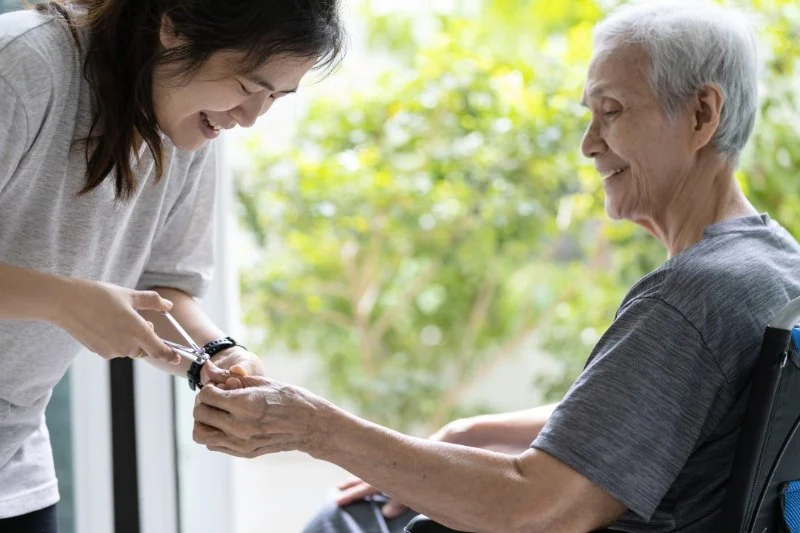
As we age, maintaining personal hygiene becomes increasingly important—not only for physical health but also for emotional well-being. For seniors, hygiene isn't just about cleanliness; it is closely tied to maintaining dignity and independence. Good hygiene practices help to prevent infections, promote overall health, and can boost self-esteem, which is critical for seniors who might feel isolated or vulnerable.
Beyond the obvious benefits to health, personal hygiene contributes to a sense of normalcy and comfort. Seniors who are able to maintain their grooming and hygiene routines feel more confident in social interactions and are less likely to experience depression or anxiety linked to poor self-image.

2. Challenges Seniors Face with Hygiene and Dignity
Maintaining hygiene can be a difficult task for seniors, especially those dealing with physical or cognitive limitations. Some common challenges include:
- Limited mobility: Physical limitations such as arthritis, poor coordination, or lack of strength can make it difficult for seniors to bathe, dress, or perform other personal care tasks independently.
- Incontinence: Managing incontinence can be a sensitive and challenging issue, often leading to embarrassment or reluctance to ask for help.
- Memory loss: Seniors suffering from dementia or Alzheimer's disease may forget to complete basic hygiene tasks or may need assistance with reminders and guidance.
- Loss of independence: Seniors may feel a loss of dignity when they require help with personal hygiene. This can lead to feelings of frustration, helplessness, or depression.
3. Practical Tips for Helping Seniors Maintain Hygiene
There are several strategies families and caregivers can implement to help seniors maintain their personal hygiene while also preserving their dignity:
- Establish a Routine: Help the senior establish a regular hygiene routine. Consistency provides a sense of control and normalcy, which is important for seniors with cognitive decline.
- Assist with Bathing: Use bath chairs or handheld showerheads to help seniors bathe more easily. If mobility is limited, consider using sponge baths to ensure cleanliness without the risk of slipping.
- Use Age-Appropriate Products: Choose gentle, hypoallergenic products that are easy to use. For seniors with sensitive skin, natural products without harsh chemicals are often the best option.
- Address Incontinence with Sensitivity: Regular use of incontinence pads and adult diapers can help seniors manage this issue while maintaining their dignity. Ensure that these products are comfortable and discreet.
- Provide Assistance When Needed: Some seniors may feel self-conscious about asking for help. Offer assistance without making them feel embarrassed. This could include simple tasks like brushing their hair or helping them put on fresh clothes.
4. How to Address Emotional and Psychological Needs
Emotional and psychological well-being is closely tied to physical care. Here are some ways to ensure seniors feel emotionally supported while maintaining their dignity:
- Promote Independence: Encourage seniors to do as much as they can on their own, whether it’s brushing their teeth, combing their hair, or choosing their clothes. This helps preserve a sense of control and independence.
- Empathize and Listen: Take the time to listen to their concerns about their hygiene and appearance. Sometimes, just talking about it can help ease anxiety or embarrassment.
- Incorporate Their Preferences: Let seniors have a say in their grooming routines. Whether it’s choosing their favorite soap or picking out their clothes, allowing them to make decisions fosters a sense of empowerment.
5. Stories and Examples: How Families Can Make a Difference
Personal stories are often the most powerful tools for understanding the impact of helping seniors maintain their hygiene. Here are some real-life examples of how families have made a significant difference in their loved ones’ lives:
Mary's Story: "My mom has Alzheimer's, and she often forgets to shower. I set up a weekly schedule and made it a part of our routine. Now, she understands that it's a normal part of her day, and she feels much more comfortable. I also made sure to involve her in picking out bath products she enjoys, which made a huge difference in her self-esteem."
Tom's Story: "When my dad started having mobility issues, he felt very self-conscious about asking for help. I created a system where we could work together to help him with his hygiene, making it more about us spending time together rather than just him being 'helped'. It made a world of difference for his dignity and mental health."






 Home Health Plus Services5.0 (7 reviews)
 Cristina’s Private Caregiver5.0 (1 reviews)
 Empower Home Health Care5.0 (11 reviews)
 AmeriCARE Beach Cities0.0 (0 reviews)
 Comforting Caregivers5.0 (4 reviews)
 1Heart Caregiver Services5.0 (18 reviews)
 Tips for Supporting Mental Health in Seniors with Cognitive Decline
 Tips for Encouraging Safe and Fun Outdoor Activities for Aging Loved Ones | HomeCare Hub
 Tips for Making Home Bathrooms Safer and More Comfortable for Seniors
 How Home Care Agencies are Adapting to Changing Regulations
 Tips for Encouraging Seniors to Pursue Hobbies That Challenge the Mind in 2025
 Simple Home Adjustments That Make Mobility Easier for Seniors