
How to Encourage Older Adults to Participate in Creative Arts
- 1. Why Creative Arts Are Important for Older Adults
- 2. Overcoming Barriers to Participation in Creative Arts
- 3. Effective Ways to Encourage Senior Participation in Arts
- 4. Success Stories and Case Studies
- 5. Resources for Creative Activities for Seniors
1. Why Creative Arts Are Important for Older Adults
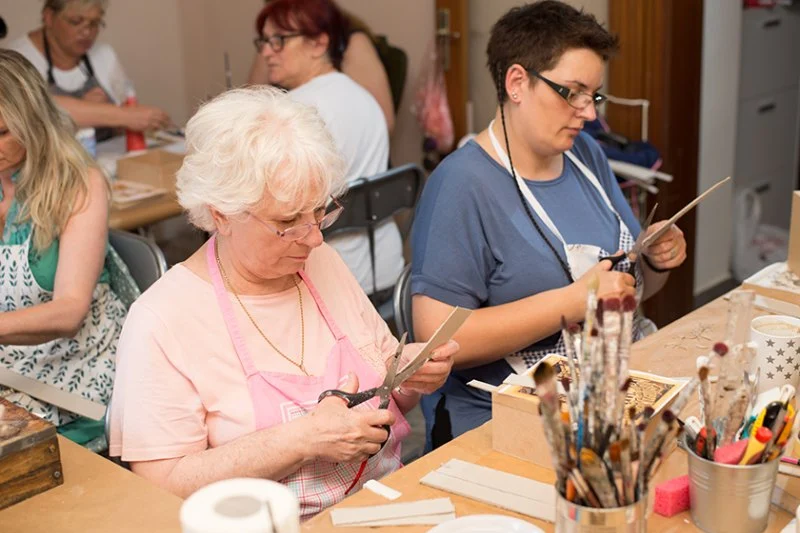
Creative arts, including painting, drawing, music, dance, and crafts, offer numerous benefits for older adults. Engaging in creative activities promotes mental and emotional well-being, enhances cognitive abilities, and fosters social connections. Many older adults experience a decline in physical and mental health due to age, but creative expression can provide a sense of accomplishment, joy, and even relief from anxiety and depression.
Research has shown that art and creativity can help seniors maintain cognitive function, reduce stress, and combat feelings of isolation. Whether it’s a painting class or a music session, these activities encourage self-expression and contribute to a higher quality of life for elderly individuals.

Southview Home Care Services
Los AngelesLos Angeles CountyCalifornia
6060 W Manchester Ave #312, Los Angeles, CA 90045, USA
2. Overcoming Barriers to Participation in Creative Arts
While the benefits of creative arts are clear, many older adults face barriers to participation. These barriers may include physical limitations, lack of confidence, or simply not knowing where to begin. Understanding and addressing these obstacles can help encourage more seniors to get involved in creative activities.

Comprehensive Health Care Services LLC
GlendaleLos Angeles CountyCalifornia
512 E Wilson Ave #200A, Glendale, CA 91206, USA
1. Physical Limitations
For older adults with mobility issues or arthritis, physical limitations can prevent them from participating in art activities. However, there are ways to adapt creative activities to suit their needs. For example, using larger brushes or adaptive tools for painting can help seniors with limited dexterity. Also, seated art classes or music sessions can allow for greater participation without physical strain.
2. Lack of Confidence
Many older adults may feel self-conscious or unsure of their creative abilities. They may fear judgment or feel that they are “too old” to start learning a new skill. Encouragement and positive reinforcement are crucial in these situations. Assure seniors that creative activities are about personal enjoyment and expression, not perfection. Fostering a supportive and non-judgmental environment will help boost their confidence.
3. Access to Resources
For some seniors, access to the resources needed for creative activities, such as art supplies or space for workshops, can be a barrier. Community centers, local senior organizations, or even online resources can help provide access to these resources. Local libraries and art programs often offer low-cost or free classes and materials for seniors, making participation more accessible.
3. Effective Ways to Encourage Senior Participation in Arts
To encourage older adults to participate in creative arts, there are several practical approaches and strategies that can help make these activities more appealing and accessible:
1. Offer Low-Stress, Fun, and Social Activities
Seniors are more likely to engage in creative activities that are fun and social rather than those that feel like obligations or challenges. Consider offering group classes that focus on the social aspects of creative arts, such as painting parties, craft workshops, or music jams. These activities allow seniors to enjoy themselves, make new friends, and feel less pressure to “perform” at a high level.
2. Provide Adapted Classes and Workshops
Tailor creative classes to the specific needs of older adults. For example, create art classes that are wheelchair-accessible or music workshops that focus on easy-to-learn instruments. Allowing seniors to work at their own pace in a comfortable and supportive environment will increase their chances of sticking with the activity. Simple, easy-to-follow classes will prevent frustration and encourage continued participation.
3. Highlight the Health Benefits
Many older adults are motivated by activities that benefit their health. Promoting the cognitive and emotional benefits of creative arts can be an effective way to encourage participation. Let seniors know that creative activities can improve memory, reduce stress, and even help with physical coordination. Art therapy and music therapy are especially beneficial for people with dementia, Alzheimer’s disease, or other cognitive challenges.
4. Success Stories and Case Studies
There are many success stories of older adults whose lives have been improved through participation in creative arts. For example, a senior center in California initiated a weekly painting class that attracted a group of older adults who had never considered art before. Over time, these individuals became more confident in their artistic abilities, developed friendships, and reported feeling happier and less isolated.
Another inspiring case is a group of elderly musicians who began meeting weekly to play music together. Not only did they improve their skills, but they also formed a supportive community. These stories highlight how creative activities can provide a sense of purpose and belonging for seniors, making them more eager to participate.
5. Resources for Creative Activities for Seniors
There are many resources available to help older adults get involved in creative arts. Here are some options to consider:
1. Local Community Centers and Senior Programs
Many community centers offer art classes, music workshops, and other creative activities tailored to seniors. Check with your local senior centers to see what programs are available. Many of these programs are affordable or even free for older adults.
2. Online Platforms and Virtual Classes
If attending in-person classes is difficult, online resources can be a great alternative. Websites and apps like YouTube offer free tutorials in everything from painting to playing the guitar. Many organizations also offer virtual art and craft classes that seniors can join from the comfort of their own homes.
3. Art Therapy and Support Groups
Art therapy is a structured form of creative activity led by trained professionals. It can be especially helpful for seniors dealing with mental health challenges such as depression or anxiety. Look for local art therapy programs or support groups that focus on using art to improve emotional well-being.
For more information on creative resources for seniors and the best programs available, visit HomeCare Hub for expert recommendations and personalized guidance on finding the right activities for your loved ones.


 Livingstone Home Health Services4.0 (4 reviews)
 MINORU HOME CARE, INC0.0 (0 reviews)
 Home Instead, Home Care Services of Beverly Hills4.0 (49 reviews)
 Homewatch CareGivers of West Los Angeles5.0 (12 reviews)
 Livewell Private Care4.0 (6 reviews)
 Right at Home4.0 (10 reviews)
 Strategies for Encouraging Seniors to Stay Independent in Daily Tasks
 The Importance of Routine in Dementia Care
 How to Promote Social Interaction Through Group Activities at Home
 Tips for Supporting Seniors with Cognitive Decline in Daily Life
 Tips for Balancing Work and Caregiving Responsibilities | HomeCare Hub
 What to Expect from In-Home Care Services