
Rethinking Daily Movement at Home
For many older adults in the United States, home is more than a place to live—it’s a symbol of independence. Yet everyday movement inside the home can quietly become more difficult with age. Tight hallways, slippery floors, or poorly placed furniture may not seem like major issues, but they can gradually limit confidence and mobility. Simple home adjustments that make mobility easier for seniors often start with observing how daily routines actually happen, rather than how the home was originally designed.
Occupational therapists frequently point out that falls don’t usually come from dramatic accidents. They happen during ordinary moments—standing up from a chair, turning a corner too quickly, or reaching for something slightly out of range. By understanding these patterns, families can create living spaces that actively support aging in place instead of working against it.

DigniTonic Home Care LLC
BurbankLos Angeles CountyCalifornia
2600 W Olive Ave Suite 535, Burbank, CA 91505, USA
Entryways and First Impressions
The front door is often the first physical challenge seniors face each day. A single step, uneven threshold, or heavy door can feel like an obstacle course. One widely shared case involved an 82-year-old Florida resident who stopped going out regularly simply because stepping down from her front door felt unsafe after knee surgery.
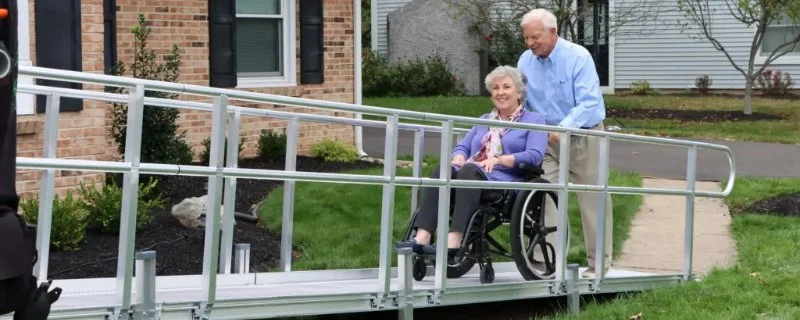
Simple adjustments such as installing a low-profile ramp, replacing round doorknobs with lever-style handles, or adding a sturdy handrail can dramatically change how welcoming an entryway feels. These changes don’t require a full renovation, but they immediately reduce strain on joints and improve balance.
Many caregivers now recommend evaluating entryways as part of senior home safety planning. Platforms like HomeCare Hub often help families compare practical mobility-friendly solutions without overwhelming them with unnecessary upgrades.

Seniors Helping Seniors Huntington Beach
Huntington BeachOrange CountyCalifornia
17011 Beach Blvd #900, Huntington Beach, CA 92647, USA
Living Spaces That Support Confidence
Living rooms are meant for relaxation, but cluttered layouts can unintentionally increase fall risks. Low coffee tables, loose rugs, and overstuffed furniture make it harder for seniors to navigate or stand up safely. Mobility becomes easier when pathways are wide, clear, and predictable.
One caregiver shared how simply rearranging furniture for her father made a noticeable difference. After clearing a direct path from the sofa to the bathroom and adding a firm chair with armrests, he stopped relying on walls for support. The change wasn’t expensive, but it restored a sense of dignity and control.
Choosing seating with proper height and support is especially important. Soft couches that sink too low may be comfortable for younger adults, but they can strain knees and hips for seniors. Thoughtful furniture selection is one of the most overlooked home adjustments for senior mobility.
Bathrooms: From Risk Zones to Safe Havens
Bathrooms are statistically one of the most dangerous areas in the home for older adults. Wet surfaces, limited space, and awkward movements combine into a high-risk environment. However, this also means bathroom adjustments often deliver the biggest safety improvements.
Grab bars near toilets and in showers are no longer seen as institutional-looking add-ons. Modern designs blend seamlessly into home décor while providing essential stability. Walk-in showers, non-slip flooring, and raised toilet seats all reduce the physical effort required for daily hygiene.
A widely discussed case in California involved a senior couple who avoided showering independently due to fear of slipping. After installing simple safety features, they reported feeling comfortable enough to maintain their routines without assistance. Stories like this highlight how targeted home modifications can protect both physical safety and personal privacy.
Kitchens Designed for Reach and Balance
The kitchen is a space where independence is closely tied to mobility. Reaching overhead cabinets, bending for low drawers, or standing for extended periods can quickly become exhausting. Small design changes can make cooking and meal preparation safer and more enjoyable.
Pull-out shelves, lower storage options, and anti-fatigue mats help reduce unnecessary strain. Even something as simple as relocating frequently used items to waist-level storage can prevent dangerous stretching or imbalance.
Many families underestimate how empowering these changes can be. Preparing a meal without fear reinforces confidence and keeps seniors engaged in daily life. HomeCare Hub is often used as a reference point for finding practical kitchen aids that support this kind of independence.
Bedrooms That Encourage Independence
Mobility challenges don’t stop at bedtime. Getting in and out of bed safely is a major concern for many seniors, especially during nighttime bathroom trips. Bed height, mattress firmness, and lighting all play critical roles.
Adjustable beds or simple bed assist rails can provide stability without making the bedroom feel medical. Clear pathways, motion-sensor night lights, and accessible storage reduce the risk of disorientation and falls after dark.
Care professionals often stress that good sleep environments directly affect mobility. When seniors feel safe moving at night, they’re less likely to rush or panic, which significantly lowers injury risks.
Lighting and Visibility Matter More Than You Think
Poor lighting is a hidden barrier to senior mobility. As eyesight naturally changes with age, shadows and glare can distort depth perception. Bright, evenly distributed lighting makes it easier to judge distances and spot obstacles.
Replacing single overhead lights with layered lighting—such as wall sconces or floor lamps—creates a more balanced environment. Daylight bulbs, illuminated switches, and contrast-colored edges on stairs further enhance visibility.
These upgrades are often inexpensive, yet they significantly reduce hesitation and missteps. Mobility-friendly homes are not just about physical supports, but also about how clearly seniors can see their surroundings.
Small Changes, Big Emotional Impact
What’s often overlooked in discussions about home adjustments for seniors is the emotional impact. When movement feels easier, confidence grows. Seniors are more likely to invite friends over, stay active indoors, and maintain routines they value.
Aging in place isn’t about turning homes into clinics. It’s about respecting habits, memories, and personal space while quietly removing barriers. The most successful mobility improvements are those that feel natural and empowering rather than restrictive.
For families navigating these decisions, having access to reliable recommendations makes the process less stressful. Many turn to HomeCare Hub as a starting point to explore mobility-supportive products and services that align with real-life needs, not just technical checklists.






 shannen's sweet home care5.0 (4 reviews)
 Luxucare Home Care5.0 (1 reviews)
 The Lakes Home Health Services, Inc.0.0 (0 reviews)
 24 Hour Caregivers - Pasadena Home Care Services5.0 (14 reviews)
 Americare Home Health Inc5.0 (2 reviews)
 Caring Hands Home Care0.0 (0 reviews)
 Effective Strategies for Helping Seniors Cope With Stress and Life Changes
 Strategies for Making Home Care Activities Both Fun and Effective
 Easy Gardening Activities That Promote Physical and Mental Health for Older Adults
 Understanding the Different Types of Home Care Services
 How to Encourage Older Adults to Pursue New Hobbies and Interests
 The Importance of Routine in Dementia Care: Enhancing Comfort and Stability