
- 1- Why Socialization Matters in Senior Care
- 2- Benefits of Socialization for Seniors
- 3- Common Barriers to Socialization in Senior Care
- 4- How to Encourage Socialization in Senior Care
- 5- Real-World Case Study: Socialization Success in Senior Care
1. Why Socialization Matters in Senior Care
As we age, socializing can become increasingly difficult, yet it plays a vital role in maintaining the mental, emotional, and physical well-being of seniors. Social interaction can help prevent feelings of loneliness and isolation, which are common among the elderly. Furthermore, engaging in social activities can improve cognitive function, reduce stress, and even contribute to a longer, healthier life.
In senior care, ensuring that residents or loved ones have access to regular opportunities for social interaction is crucial. This article will explore the importance of socialization in senior care and provide practical advice on how to foster meaningful connections among elderly individuals.
2. Benefits of Socialization for Seniors
Socialization offers numerous benefits for seniors, impacting their physical, mental, and emotional health in profound ways. Here are some key benefits of socialization for seniors:
2.1. Improved Mental Health
Regular social interaction can significantly reduce the risk of depression and anxiety among older adults. Engaging in conversations, participating in group activities, or simply having someone to share experiences with can provide emotional support and reduce feelings of loneliness. These interactions help seniors maintain a sense of belonging and purpose.
2.2. Enhanced Cognitive Function
Socialization plays a vital role in keeping the brain active. Studies have shown that seniors who engage in social activities tend to have better memory retention and cognitive skills than those who remain isolated. Mental exercises that come from interacting with others can delay the onset of cognitive decline, such as dementia or Alzheimer’s disease.
2.3. Improved Physical Health
Social interaction can also have a positive effect on physical health. For instance, participating in group exercises or engaging in active social events encourages seniors to stay physically active. Regular physical activity is proven to help prevent chronic illnesses such as heart disease, arthritis, and diabetes, which are common in older adults.
2.4. Increased Longevity
Socially active seniors tend to live longer than their isolated counterparts. Research indicates that people with strong social networks are at a lower risk of premature death. By staying socially engaged, seniors can enjoy a better quality of life and potentially extend their lifespan.
3. Common Barriers to Socialization in Senior Care
While the benefits of socialization are clear, there are several barriers that can hinder seniors from engaging in social activities:
3.1. Physical Limitations
Many seniors experience mobility issues, chronic pain, or other physical limitations that make it difficult to participate in social events. Conditions such as arthritis, vision impairment, or hearing loss can make it harder for them to interact with others, leading to isolation.
3.2. Cognitive Decline
For seniors with dementia or Alzheimer’s, engaging in social activities may become more challenging. Cognitive decline can result in difficulty remembering names or following conversations, which can discourage social interaction and increase isolation.
3.3. Lack of Access to Social Opportunities
In some cases, seniors may not have access to social opportunities in their communities. Lack of transportation, limited mobility, or living in rural areas can make it difficult to attend social gatherings or participate in group activities. This lack of access can contribute to feelings of loneliness and depression.
3.4. Emotional Barriers
Some seniors may experience emotional barriers, such as a fear of rejection, loss of confidence, or a history of social anxiety. These factors can make it difficult for them to initiate social interactions or participate in group activities, even if opportunities are available.
4. How to Encourage Socialization in Senior Care
Encouraging socialization in senior care requires thoughtful planning and consideration of the unique needs and preferences of each individual. Here are some strategies to promote social interaction among seniors:
4.1. Create a Social Environment
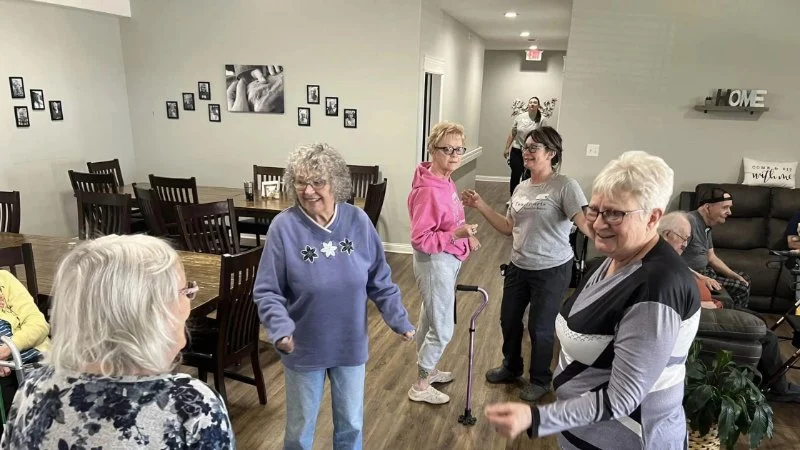
In senior care settings, creating an environment that fosters social interaction is essential. Arrange furniture in common areas to encourage group discussions and provide spaces for social activities like games, arts and crafts, or movie nights. Offering a variety of options ensures that there is something for everyone.
4.2. Provide Transportation Assistance
For seniors with mobility challenges or those living in remote areas, offering transportation options can help them participate in social events outside the facility. Community shuttle services or ride-sharing programs can help seniors get to social activities, medical appointments, or even meet friends and family.
4.3. Encourage Group Activities
Group activities such as exercise classes, book clubs, or hobby groups are great ways to encourage socialization. These activities can create a sense of camaraderie and give seniors a reason to interact regularly. It also allows them to find people with similar interests, which can build lasting connections.
4.4. Foster Digital Connections
For tech-savvy seniors or those with family members far away, fostering digital connections can help. Introduce video calls, social media, and other online platforms that allow seniors to interact with their loved ones and friends. This can help bridge the gap for those who are unable to socialize in person.
5. Real-World Case Study: Socialization Success in Senior Care
To illustrate the impact of socialization, let’s consider a case study from a senior care facility in the United States. At this facility, the staff implemented a regular schedule of group activities, such as bingo, fitness classes, and themed dinners, to encourage social interaction among residents. They also provided transportation to nearby community events and set up a digital communication system to connect residents with their families.
Within months, the facility saw a significant decrease in feelings of loneliness among the residents. Many seniors formed close bonds, and cognitive health improved in those who regularly participated in activities. This case highlights the power of creating opportunities for social interaction in enhancing seniors' overall well-being.
For more tips on improving the social life of seniors and finding services that support their care, visit [HomeCare Hub]. We offer resources to help you provide the best care for your loved ones and ensure they lead fulfilling lives.






 Veroma Home Health5.0 (7 reviews)
 Grace Affordable Senior Care5.0 (1 reviews)
 Every's Home Care5.0 (7 reviews)
 shannen's sweet home care5.0 (4 reviews)
 Best For Family Home Care LLC5.0 (26 reviews)
 WelbeHealth4.0 (21 reviews)
 How to Safely Introduce Technology for Entertainment and Communication
 Understanding the Benefits of Remote Patient Monitoring for Better Healthcare
 Effective Communication Strategies for Dementia Care – Improve Care and Support
 How to Support Older Adults in Managing Stress With Simple Daily Practices
 The Importance of Encouraging Curiosity and Lifelong Learning in Older Adults
 Understanding the Risks of Polypharmacy in Older Adults