

- care-observation-basics - Understanding daily care behavior patterns
- service-consistency-check - Ensuring stable caregiver performance
- communication-family-feedback - Tracking communication quality with families
- safety-hygiene-monitoring - Evaluating cleanliness and safety standards
- emergency-response-review - Assessing reaction during urgent situations
Understanding What “Quality Home Care” Really Looks Like
Monitoring home care services is not only about checking tasks off a list. It is about observing how care is delivered in real environments, where emotions, routines, and health conditions intersect every day. Many families in the United States assume that hiring a caregiver automatically guarantees safety and consistency, but real quality depends on ongoing evaluation and awareness.
A high-quality care environment is one where the caregiver not only completes physical tasks but also respects dignity, builds trust, and adapts to changing needs. Families often notice issues only after small inconsistencies accumulate, such as missed medication times or changes in mood that go unreported. That is why structured home care quality monitoring is essential.
One family in Ohio shared how their elderly father began skipping meals while under professional care. At first, it seemed like a minor appetite change, but through careful observation and documentation, they realized the caregiver was rushing morning routines. This example shows why monitoring is not about suspicion—it is about protection.
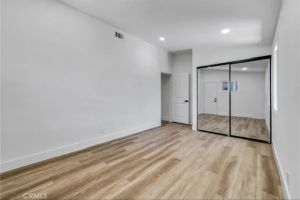
Chapman Rose, Inc Residential Home Care for the Elderly
Garden GroveOrange CountyCalifornia
10461 Chapman Ave, Garden Grove, CA 92840, USA
Building a Consistent System for Caregiver Performance Tracking
A reliable system for caregiver performance tracking helps families move from emotional guesswork to structured evaluation. Instead of relying on occasional conversations, families can establish clear expectations and review patterns over time.
Consistency is one of the strongest indicators of quality. If a caregiver follows routines differently each day without explanation, it may signal a lack of training or attention. On the other hand, consistent routines show discipline and reliability, which are essential in elder care environments.
Many families benefit from simple daily logs that track activities such as meal preparation, medication reminders, mobility assistance, and emotional well-being. Over time, these records reveal trends that help identify whether care standards are being maintained or drifting.
Professional home care oversight services often recommend periodic reviews rather than constant supervision. This balanced approach helps maintain trust while ensuring accountability. Platforms like HomeCare Hub offer resources that help families compare care standards and better understand what professional-level consistency should look like.
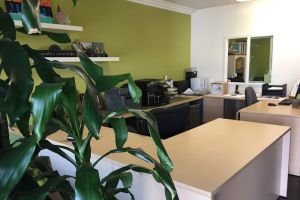
At Home With Care
Manhattan BeachLos Angeles CountyCalifornia
806 Manhattan Beach Blvd STE 206, Manhattan Beach, CA 90266, USA
Observing Communication and Emotional Responsiveness
Communication is one of the most overlooked aspects of home care services evaluation. A caregiver may complete physical tasks perfectly but still fail in emotional responsiveness. This gap often becomes visible in subtle ways such as lack of updates, limited interaction, or poor listening skills.
For example, a caregiver in California was praised for punctuality and task completion but later replaced due to emotional disengagement. The elderly patient felt isolated because conversations were minimal and routine updates were rarely shared with family members.
Monitoring communication quality involves checking how information flows between caregiver, patient, and family. Are concerns reported quickly? Are changes in behavior documented clearly? These questions are central to effective elder care quality control.
Families should also pay attention to tone and empathy. A caregiver who communicates with patience and respect often creates a safer emotional environment, which directly contributes to better health outcomes.
Evaluating Safety and Hygiene Standards in Daily Care
Safety and hygiene are foundational elements of home care quality monitoring. Even small lapses can lead to serious health risks, especially for elderly individuals with weakened immune systems or mobility challenges.
Key areas include cleanliness of living spaces, proper handling of medications, and safe mobility assistance. For instance, improper lifting techniques can lead to injuries, while inconsistent sanitization can increase infection risks.
A widely shared case in Florida involved an elderly woman who developed recurring infections due to inconsistent kitchen hygiene practices by a caregiver. Once the issue was identified, implementing structured hygiene checks significantly improved her condition.
Families can reduce risks by establishing clear safety expectations and reviewing them regularly. This does not require medical expertise, but it does require attention to detail and consistency in observation.
Measuring Responsiveness in Unexpected Situations
Emergency response capability is a critical component of caregiver performance tracking. While emergencies may not occur frequently, the ability to respond appropriately can make a significant difference in outcomes.
Monitoring this aspect involves understanding whether caregivers know basic emergency procedures, can communicate clearly under pressure, and respond quickly when situations change unexpectedly.
Some families conduct simple scenario discussions with caregivers to evaluate readiness. For example, asking how they would respond to a fall or sudden illness can reveal both knowledge and confidence levels.
Real-life experiences show that caregivers who remain calm and follow established procedures often prevent minor issues from becoming serious medical emergencies.
Creating a Balanced Feedback Loop Between Families and Caregivers
Effective home care services evaluation depends on two-way communication. Families should not only observe but also provide constructive feedback. At the same time, caregivers should feel comfortable reporting challenges or concerns.
A balanced feedback system prevents misunderstandings and builds long-term trust. Regular check-ins, whether weekly or biweekly, help maintain alignment between expectations and actual care delivery.
In one documented case in Texas, a family reduced caregiver turnover significantly after introducing structured feedback meetings. This allowed small issues to be addressed early before they escalated into larger conflicts.
Platforms such as HomeCare Hub can support families by offering guidance on structured care evaluation and helping them understand industry standards for quality monitoring.
Developing Long-Term Awareness for Better Care Outcomes
Monitoring home care is not a one-time task. It is an ongoing process that evolves as health conditions, routines, and caregiver relationships change. Families who stay engaged tend to experience better care outcomes and fewer emergencies.
Long-term awareness includes regularly reassessing care plans, updating expectations, and staying informed about best practices in elder care quality control. Over time, this creates a stable environment where both caregiver and care recipient feel supported.
The most effective approach is a combination of observation, documentation, communication, and professional guidance. When these elements work together, families gain confidence that their loved ones are receiving safe and compassionate care.
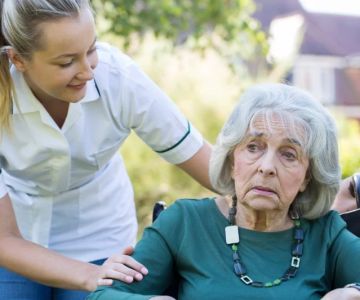





 Right at Home5.0 (2 reviews)
 Unique Touch Home Healthcare5.0 (14 reviews)
 Care To Stay Home4.0 (19 reviews)
 Fast Recovery Home Health Care0.0 (0 reviews)
 St. Luke's Home Health Services Inc.5.0 (2 reviews)
 Senior Helpers4.0 (7 reviews)
 How to Safely Incorporate Balance and Strength Training at Home
 Strategies for Encouraging Seniors to Stay Independent in Daily Tasks
 How to Choose the Right Home Care Provider for Your Loved One | Guide for Families
 Strategies for Creating Engaging Indoor Activities on Rainy Days
 Tips for Helping Seniors Stay Mentally Stimulated With Puzzles and Games
 Effective Communication Strategies for Dementia Care to Improve Daily Life