
- #1-understanding-volunteering-impact - Why volunteering matters in senior life
- #2-mental-health-benefits-seniors - Emotional and cognitive improvements through volunteering
- #3-physical-health-advantages - How activity supports mobility and longevity
- #4-social-connection-and-community - Reducing loneliness through engagement
- #5-purpose-and-identity-in-retirement - Rebuilding meaning after career life
- #6-real-life-volunteer-stories - Seniors sharing meaningful experiences
- #7-types-of-volunteer-opportunities - Finding the right fit for older adults
- #8-overcoming-barriers-to-volunteering - Mobility, confidence, and accessibility challenges
- #9-expert-perspectives-on-active-aging - Professional insights on senior engagement
- #10-homecare-hub-community-support - How HomeCare Hub encourages senior volunteering
#1 Understanding Volunteering Impact
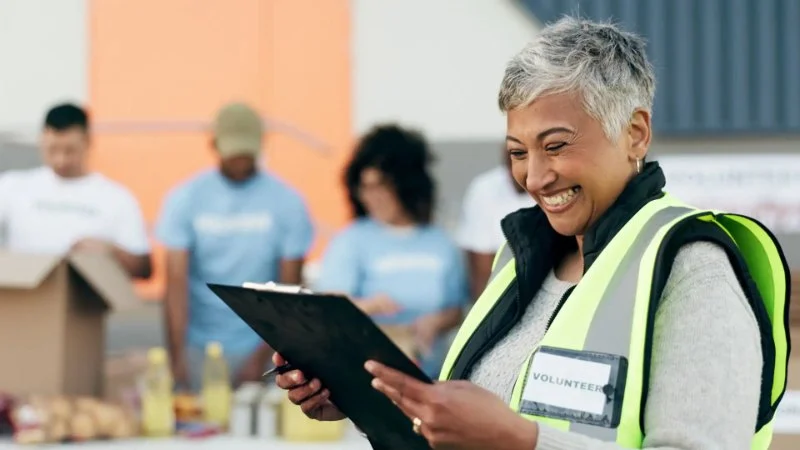
The benefits of volunteering for seniors extend far beyond simple community service. Volunteering creates a structured opportunity for older adults to stay engaged, active, and socially connected. It transforms retirement from a phase of withdrawal into a stage of meaningful contribution and continued growth.
Many seniors who transition out of long careers experience a sudden loss of structure and purpose. Volunteering helps fill that gap by offering consistent routines, social interaction, and a sense of responsibility. Whether helping at a local food bank or mentoring younger generations, the act of giving time creates emotional and psychological rewards that significantly enhance quality of life.
Research in active aging consistently shows that seniors who volunteer regularly report higher life satisfaction and stronger emotional resilience compared to those who do not engage in structured community activities.
Rose's Agency Home Care
Los AngelesLos Angeles CountyCalifornia
585 S Fairfax Ave, Los Angeles, CA 90036, USA
#2 Mental Health Benefits for Seniors
One of the most powerful aspects of volunteering for seniors is its impact on mental health. Engaging in meaningful activities helps reduce feelings of depression, anxiety, and isolation, which are common challenges in later life.
Volunteering stimulates cognitive function by encouraging problem-solving, communication, and learning. Seniors who participate in teaching, organizing events, or mentoring often experience improved memory retention and mental clarity.
A retired librarian in Ohio shared how volunteering at a community literacy program helped her stay mentally sharp. She described how interacting with children and planning reading sessions gave her a renewed sense of curiosity and intellectual engagement that she missed after retirement.

Caring Heart In-Home Care Services, Inc.
1178 W 3rd St, San Pedro, CA 90731, USA
#3 Physical Health Advantages
Although volunteering is often associated with emotional benefits, it also contributes to physical well-being. Many volunteer activities involve light physical movement, such as standing, walking, or organizing supplies, which helps maintain mobility and reduce sedentary behavior.
Active seniors who volunteer regularly often experience better cardiovascular health and improved energy levels. The simple act of leaving the house, engaging with others, and participating in structured activities encourages a more active lifestyle overall.
In one documented case, a senior who volunteered at a community garden reported improved joint flexibility and reduced stiffness after several months of consistent participation. The combination of light exercise and fresh air played a key role in his physical improvement.
#4 Social Connection and Community
Loneliness is one of the most significant challenges facing older adults today. Volunteering provides a natural solution by creating regular opportunities for social interaction and community involvement.
Seniors who volunteer often build strong friendships with fellow volunteers and community members. These connections help reduce isolation and create a sense of belonging, which is essential for emotional well-being.
For example, a group of retired teachers who volunteered at a local after-school program formed a close-knit community. Over time, their weekly meetings evolved into social gatherings outside of volunteering, strengthening their emotional support network.
#5 Purpose and Identity in Retirement
Retirement can sometimes lead to a loss of identity, especially for individuals who spent decades in structured careers. Volunteering helps restore a sense of purpose by allowing seniors to contribute their skills and experience in meaningful ways.
Whether it is mentoring young professionals, assisting in healthcare settings, or supporting nonprofit organizations, seniors often rediscover a sense of value and relevance through service.
A former engineer described how volunteering at a STEM education program for teenagers gave him a renewed sense of identity. He felt that his decades of experience were still valuable and appreciated, even outside of his professional career.
#6 Real-Life Volunteer Stories
Real-life experiences highlight the emotional depth of senior volunteering. One elderly woman who lost her spouse began volunteering at an animal shelter. She shared that caring for animals helped her manage grief and brought structure back into her daily life.
Another story involves a retired veteran who volunteered at a hospital greeting desk. He found that welcoming patients and offering reassurance allowed him to channel his life experience into a comforting presence for others.
These stories demonstrate that volunteering is not just about helping others—it is also about healing, connection, and personal transformation.
#7 Types of Volunteer Opportunities
There are many volunteering options suitable for seniors, depending on interests, mobility levels, and skills. Common opportunities include tutoring, community gardening, hospital assistance, nonprofit administration, and virtual volunteering roles.
For those with limited mobility, remote opportunities such as phone-based companionship programs or online mentoring can be equally fulfilling. These flexible options ensure that nearly every senior can participate regardless of physical limitations.
Matching personal interests with volunteer roles is essential for long-term engagement. Seniors who enjoy teaching, for example, often thrive in mentorship programs, while those who enjoy hands-on work may prefer community projects.
#8 Overcoming Barriers to Volunteering
Despite its benefits, some seniors hesitate to volunteer due to physical limitations, lack of confidence, or uncertainty about where to start. Addressing these barriers is key to encouraging participation.
Transportation challenges can be solved through local community programs or virtual volunteering options. Confidence issues often improve once seniors begin interacting with supportive groups and see the positive impact of their contributions.
Families and caregivers play an important role in encouraging participation by helping seniors explore opportunities that match their abilities and comfort levels.
#9 Expert Perspectives on Active Aging
Gerontology experts emphasize that volunteering is a core component of successful aging. It combines physical activity, cognitive engagement, and emotional fulfillment, all of which contribute to overall well-being.
Studies in active aging show that seniors who remain socially engaged tend to live longer and report higher quality of life. Volunteering, in particular, has been linked to reduced risk of cognitive decline and improved emotional stability.
Professionals also highlight the importance of consistency. Regular engagement—rather than occasional participation—provides the strongest benefits for mental and physical health.
#10 HomeCare Hub Community Support
HomeCare Hub supports families and seniors in discovering meaningful volunteering opportunities that align with their abilities and interests. By providing guidance, resources, and tailored suggestions, HomeCare Hub helps integrate volunteering into healthy aging lifestyles.
Through structured recommendations and community-focused tools, seniors can find roles that match their physical capacity, personal interests, and emotional needs. This ensures that volunteering becomes a sustainable and enriching part of their daily lives.
By encouraging engagement and connection, HomeCare Hub helps transform aging into a stage of continued purpose, contribution, and fulfillment.



 Loved One Comfort Care0.0 (0 reviews)
 Cornerstone Caregiving0.0 (0 reviews)
 Caring Hands Home Health Agency4.0 (4 reviews)
 Interim HealthCare of West Los Angeles4.0 (7 reviews)
 IE Community Care Home Health Services 諾 康 家 庭 醫 護 中 心5.0 (1 reviews)
 Amira Home Health Care INC0.0 (0 reviews)
 Tips for Encouraging Seniors to Pursue Hobbies That Challenge the Mind in 2025
 Tips for Balancing Work and Caregiving Responsibilities | HomeCare Hub
 Easy Gardening Activities That Promote Physical and Mental Health for Older Adults
 The Importance of Socialization in Senior Care
 The Role of Government Policies in Shaping Home Care Services
 How to Make Meal Preparation Easy and Enjoyable for Aging Loved Ones