
- 1-Understanding-Senior-Loneliness
- 2-Impact-of-Isolation-on-Elderly-Health
- 3-Practical-Strategies-for-Connection
- 4-Encouraging-Physical-Activity
- 5-Leveraging-Technology-for-Socialization
- 6-Creating-Supportive-Environments
- 7-Engaging-in-Meaningful-Hobbies
- 8-Facilitating-Community-Involvement
- 9-Monitoring-Mental-Health-and-Seeking-Professional-Help
- 10-Resources-and-Recommendations
1. Understanding Senior Loneliness
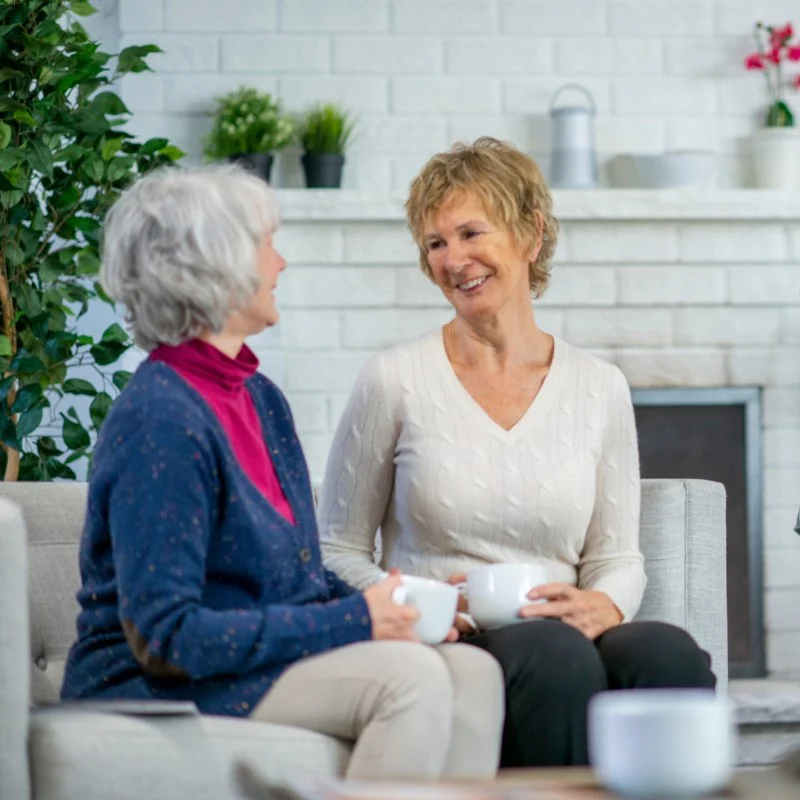
Loneliness and isolation are common challenges among seniors, often resulting from retirement, loss of loved ones, mobility issues, or health concerns. Recognizing the signs of loneliness is the first step toward addressing the issue effectively.

Comfort Care Home Health Services, Inc
Los AngelesLos Angeles CountyCalifornia
7037 Laurel Canyon Blvd Unit 104, North Hollywood, CA 91605, USA
1.1 Signs of Loneliness
Noticeable signs include withdrawal from social interactions, increased irritability, sadness, changes in eating or sleeping patterns, and a lack of motivation to engage in daily activities.

PLACEMENT HELPERS
PasadenaLos Angeles CountyCalifornia
680 E Colorado Blvd Suite 180 & 2nd Floor, Pasadena, CA 91101, USA
1.2 Distinguishing Between Solitude and Isolation
While solitude can be beneficial for reflection and rest, prolonged social isolation can negatively affect both physical and mental health. Understanding this distinction helps in creating appropriate interventions.
2. Impact of Isolation on Elderly Health
Isolation and chronic loneliness can have profound effects on a senior's well-being.
2.1 Mental Health Consequences
Prolonged isolation is linked to depression, anxiety, and cognitive decline. Seniors deprived of regular social interaction often experience decreased mental stimulation, which can accelerate memory loss.
2.2 Physical Health Risks
Studies indicate that lonely seniors face higher risks of cardiovascular disease, weakened immune systems, and increased mortality rates. Regular engagement can reduce stress and improve overall health outcomes.
3. Practical Strategies for Connection
Implementing daily strategies to foster social connections is key to alleviating loneliness.
3.1 Family and Friend Engagement
Regular phone calls, video chats, or in-person visits help maintain emotional bonds. Encourage seniors to schedule weekly calls with family or old friends to maintain a sense of belonging.
3.2 Support Groups and Peer Networks
Community-based support groups, local senior centers, and faith-based organizations provide opportunities for social interaction and shared experiences.
4. Encouraging Physical Activity
Physical activity is vital for both mental and physical health.
4.1 Exercise as a Social Tool
Group classes such as yoga, tai chi, or walking clubs can combine exercise with social engagement, enhancing mood and reducing feelings of isolation.
4.2 Tailoring Activity to Ability
Modify activities to accommodate mobility issues or health restrictions. Even light stretching, chair exercises, or short neighborhood walks can provide meaningful benefits.
5. Leveraging Technology for Socialization
Technology provides innovative ways to connect seniors with friends, family, and communities.
5.1 Video Calls and Messaging
Platforms like Zoom, FaceTime, and WhatsApp enable regular visual communication, which helps bridge physical distance and maintain emotional bonds.
5.2 Online Hobby Groups
Encourage seniors to join online forums, book clubs, or virtual cooking classes that match their interests. This promotes engagement and learning simultaneously.
6. Creating Supportive Environments
A safe, engaging, and stimulating environment encourages seniors to stay active and connected.
6.1 Home Modifications
Arrange living spaces to facilitate mobility and social interaction, such as open seating areas for visitors and safe walkways for independent movement.
6.2 Companion Animals
Pets provide companionship, reduce stress, and encourage daily routines. Consider adopting or fostering pets suitable for seniors’ living arrangements.
7. Engaging in Meaningful Hobbies
Hobbies and creative pursuits can combat loneliness by providing purpose and opportunities for engagement.
7.1 Arts and Crafts
Encourage activities like painting, knitting, or gardening, which can be pursued individually or in group settings to foster social interaction.
7.2 Learning and Skill Development
Online or in-person classes in music, languages, or cooking offer mental stimulation and social engagement simultaneously.
8. Facilitating Community Involvement
Active participation in community activities strengthens social bonds and builds purpose.
8.1 Volunteering
Seniors can contribute their skills to local organizations, fostering a sense of accomplishment while connecting with others.
8.2 Social Clubs and Cultural Events
Community events, senior clubs, and hobby meetups provide structured opportunities for social interaction and shared experiences.
9. Monitoring Mental Health and Seeking Professional Help
Regular mental health assessments and timely intervention are essential for long-term well-being.
9.1 Professional Counseling
Therapists or social workers specializing in geriatric care can provide coping strategies, cognitive therapy, and emotional support.
9.2 Early Intervention
Identifying and addressing loneliness or depression early reduces the risk of chronic mental health issues and improves quality of life.
10. Resources and Recommendations
For more guidance, practical tips, and products to support seniors, HomeCare Hub offers resources on senior engagement, mental health, and social support systems, helping families create a thriving environment for elderly loved ones.






 GrandCare Health Services4.0 (727 reviews)
 Human Touch Home Health3.0 (2 reviews)
 Tremendous Care5.0 (10 reviews)
 Forever Ways Care5.0 (7 reviews)
 Home Instead4.0 (8 reviews)
 Home Hemo Professional, LLC4.0 (2 reviews)
 How to Make Home Environments More Stimulating and Engaging for Seniors
 Strategies for Creating a Safe and Enjoyable Outdoor Space for Older Adults
 Success Story: Managing Chronic Illness with Home Care
 The Benefits of Aromatherapy in Senior Care: Enhancing Well-being and Comfort
 How to Safely Introduce Technology for Entertainment and Communication
 How to Support Seniors in Maintaining Independence During Illness or Recovery