
- Enhancing-Cognitive-Function
- Improving-Emotional-Well-Being
- Promoting-Social-Engagement
- Reducing-Stress-and-Anxiety
- Personalized-Therapy-Approaches
- Practical-Tips-for-Home-Implementation
- Real-Life-Success-Stories
- Choosing-the-Right-Resources
- Long-Term-Impact-and-Maintenance
- HomeCare-Hub-Guidance
1. Enhancing Cognitive Function
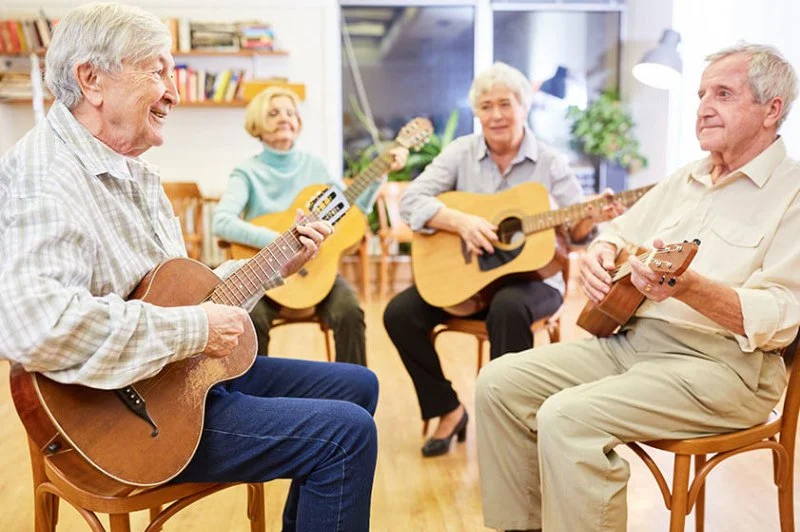
One of the most profound benefits of music and art therapy for seniors living at home is the enhancement of cognitive function. Engaging with music—whether by playing instruments, singing, or listening—stimulates multiple areas of the brain, including memory, attention, and executive function. Similarly, creating art exercises visual-spatial skills, problem-solving abilities, and hand-eye coordination.
For seniors experiencing mild cognitive decline or early-stage dementia, regular sessions of music or art therapy have shown measurable improvements in memory recall and cognitive engagement. In-home therapy programs allow seniors to participate in these exercises at their own pace, reducing the pressure and stress often associated with group sessions outside the home.

Good Life Home Health Care Services, Inc.
Los AngelesLos Angeles CountyCalifornia
2501 Colorado Blvd # G, Los Angeles, CA 90041, USA
2. Improving Emotional Well-Being
Music and art are powerful tools for emotional expression, especially for seniors who may find verbal communication challenging. Through painting, drawing, or playing instruments, seniors can convey feelings that might otherwise remain unexpressed.
Clinical studies indicate that seniors engaging in creative therapies often experience decreased symptoms of depression and anxiety. Music therapy, in particular, can evoke positive memories and emotional responses, creating a sense of comfort and emotional release. Art therapy provides a safe and non-judgmental outlet for exploring emotions, which is particularly valuable for seniors living alone or with limited social contact.

Tri Care Home Health Services Inc
BurbankLos Angeles CountyCalifornia
1612 W Olive Ave Suite 303, Burbank, CA 91506, USA
3. Promoting Social Engagement
Even when conducted at home, music and art therapy can encourage social interaction. Seniors can share their artwork with family members, participate in virtual group music sessions, or collaborate on creative projects with friends and neighbors.
Social engagement is closely tied to mental and emotional health. Programs that integrate both music and art therapy often incorporate activities that foster communication, collaboration, and shared enjoyment, which can alleviate feelings of isolation and loneliness.
4. Reducing Stress and Anxiety
The rhythmic and repetitive nature of music and the tactile engagement of creating art have a calming effect on the nervous system. Seniors living at home can benefit from structured sessions of music listening, drumming, painting, or clay modeling to reduce stress and manage anxiety.
Guided relaxation through music or art exercises not only improves mood but also supports better sleep, lower blood pressure, and reduced heart rate—critical factors in maintaining overall health and independence.
5. Personalized Therapy Approaches
Every senior has unique preferences and abilities, making personalization crucial for effective therapy. For instance, a senior who once played the piano may respond more positively to musical activities, whereas another might find painting or sculpting more fulfilling.
Home-based therapy allows for flexible, one-on-one sessions tailored to the senior’s needs, ensuring that engagement remains enjoyable rather than overwhelming. Therapists or caregivers can adjust the intensity, duration, and type of activity to suit cognitive and physical abilities.
6. Practical Tips for Home Implementation
Incorporating music and art therapy into daily routines does not require complex equipment. Simple, effective strategies include:
- Setting aside dedicated time for music listening or art creation each day.
- Using streaming services or curated playlists to match personal musical tastes.
- Providing accessible art supplies like watercolor sets, clay, or sketchpads.
- Encouraging seniors to display their artwork to reinforce pride and accomplishment.
- Involving family members in sessions to create shared experiences.
These approaches make therapy both sustainable and enjoyable for seniors living at home.
7. Real-Life Success Stories
Consider Mrs. Thompson, an 82-year-old widow living alone. After integrating daily 30-minute sessions of piano playing and watercolor painting, she reported feeling more alert, less anxious, and more connected with her adult children, who joined her for occasional virtual painting sessions. Her therapist noted improvements in her memory recall and problem-solving during routine cognitive exercises.
Similarly, Mr. Rodriguez, a 77-year-old retired teacher, began participating in at-home drumming and sketching sessions. He experienced significant mood improvement, a reduction in depressive symptoms, and a renewed sense of purpose through creative expression.
8. Choosing the Right Resources
Finding reliable tools, instructors, or online programs is essential for success. Seniors and caregivers should look for certified music and art therapists experienced in geriatric care. Digital platforms offering guided sessions can also supplement in-home therapy, providing flexibility and a structured approach.
HomeCare Hub offers curated lists of trustworthy resources, including at-home kits, online workshops, and professional therapist directories, making it easier to start and maintain a therapy routine.
9. Long-Term Impact and Maintenance
Consistency is key to achieving long-term benefits. Seniors who maintain regular creative sessions often experience sustained improvements in memory, emotional resilience, and social connectivity. Periodically updating activities—introducing new musical genres, art mediums, or collaborative projects—prevents stagnation and keeps engagement high.
Caregivers can track progress through journals or digital apps, noting changes in mood, cognitive function, and overall satisfaction. Over time, these observations inform tailored adjustments that maximize the therapy’s effectiveness.
10. HomeCare Hub Guidance
HomeCare Hub provides comprehensive support for integrating music and art therapy into daily life for seniors living at home. From selecting appropriate programs to connecting with experienced therapists, HomeCare Hub helps families create a safe, engaging, and enriching environment for creative expression.
By exploring the benefits of music and art therapy, families can empower seniors to live more vibrant, emotionally balanced, and socially connected lives—all within the comfort of their own homes.



 Senior Helpers4.0 (15 reviews)
 Neighborhood Home Care5.0 (2 reviews)
 Aurora Home Health Care Services5.0 (1 reviews)
 Bupsy5.0 (3 reviews)
 Choice Home Care2.0 (17 reviews)
 Alpha Care Inc.5.0 (4 reviews)
 Best Apps for Managing Senior Health and Wellness
 How to Make Meal Preparation Easy and Enjoyable for Aging Loved Ones
 The Importance of Routine in Dementia Care: Enhancing Comfort and Stability
 Understanding Medication Management for Older Adults
 Tips for Supporting Seniors With Emotional Health Challenges
 Tips for Encouraging Safe and Fun Outdoor Activities for Aging Loved Ones | HomeCare Hub