
- Why gardening supports aging wellness-physical and emotional balance
- How plants influence mental health-stress reduction and cognitive stimulation
- Safe gardening setup for older adults-accessibility and ergonomics
- Low-impact gardening activities for mobility support-gentle movement routines
- Community gardening and social connection-social health benefits
- Real-life case studies of senior gardening success-stories of recovery and engagement
- Seasonal planning for sustainable gardening year-round engagement
- Common mistakes and safety considerations-aging-friendly gardening practices
- How caregivers can support gardening activities-homecare integration strategies
- Where to find tools and guidance from HomeCare Hub
Why Gardening Supports Aging Wellness Through Physical and Emotional Balance
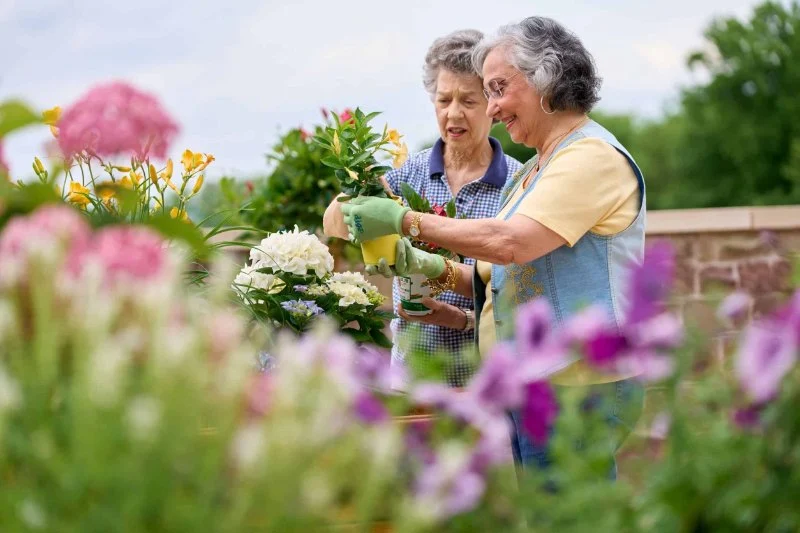
Gardening has become one of the most widely recommended elderly wellness activities in modern geriatric care because it naturally combines gentle physical movement with emotional grounding. For older adults, staying active is not just about exercise—it is about maintaining independence, dignity, and purpose.
When seniors engage in gardening for seniors routines, they use multiple muscle groups, improve coordination, and stimulate circulation without the harsh impact of gym-based workouts. At the same time, being outdoors and interacting with nature reduces stress hormones and promotes a sense of calm stability.
In many homecare programs, therapeutic gardening is now viewed as a preventative wellness strategy rather than just a hobby. Families often notice improvements in mood, appetite, and sleep quality within weeks of consistent engagement.

Hollywood Premium Home Care
Los AngelesLos Angeles CountyCalifornia
1110 N Western Ave #109, Los Angeles, CA 90029, USA
How Plants Influence Mental Health Through Stress Reduction and Cognitive Stimulation
Mental health gardening is more than just planting flowers—it is a structured form of sensory therapy. The colors, textures, and scents of plants activate memory pathways in the brain, especially beneficial for individuals experiencing early cognitive decline.
Research in geriatric psychology shows that interacting with soil microbes can increase serotonin production, which directly supports emotional balance. Even simple tasks like watering plants or trimming leaves can reduce anxiety levels significantly.
One widely shared caregiving story involved an 82-year-old retired teacher who struggled with isolation after losing her spouse. After joining a small balcony gardening routine, she reported improved focus and renewed daily motivation, showing how powerful gardening can be for emotional recovery.

At Home With Care
Manhattan BeachLos Angeles CountyCalifornia
806 Manhattan Beach Blvd STE 206, Manhattan Beach, CA 90266, USA
Safe Gardening Setup for Older Adults: Accessibility and Ergonomics
Creating a safe environment is essential when introducing physical wellness gardening practices for seniors. Raised garden beds are especially helpful because they reduce the need for bending and kneeling, which can strain joints.
Ergonomic tools with soft grips, lightweight watering cans, and stool supports can significantly improve comfort and safety. Pathways should be even, non-slip, and wide enough to accommodate mobility aids if needed.
Families and caregivers often overlook lighting, but proper outdoor illumination is critical for preventing accidents during early morning or evening gardening sessions.
Low-Impact Gardening Activities for Mobility Support and Gentle Movement
Not all gardening tasks require heavy physical effort. In fact, many therapeutic gardening routines are designed specifically for low-impact mobility support.
Activities such as seed planting, pruning, light soil mixing, and pot arrangement help maintain fine motor skills while encouraging hand strength and coordination.
Even short, consistent gardening sessions—15 to 30 minutes a day—can improve flexibility and reduce stiffness in joints. These micro-movements are particularly valuable for individuals with arthritis or reduced mobility.
Community Gardening and Social Connection: The Overlooked Healing Factor
One of the strongest benefits of gardening for seniors is social engagement. Community gardens allow older adults to interact with peers, share experiences, and build friendships.
In many urban areas across the United States, community gardening programs have become part of senior wellness initiatives. Participants often report feeling a renewed sense of belonging and purpose.
A notable example comes from a California senior housing community where residents transformed an unused courtyard into a shared vegetable garden. Within months, social isolation rates dropped significantly, and residents reported higher emotional satisfaction.
Real-Life Case Studies of Senior Gardening Success
Across homecare environments, gardening has shown measurable improvements in both physical and psychological health. One case involved a retired veteran recovering from post-surgery depression. His caregiver introduced structured gardening tasks, starting with herb planting.
Over time, he progressed to maintaining a full vegetable garden. This structured routine helped him rebuild confidence, restore physical strength, and re-establish daily purpose.
These outcomes are not isolated. Many HomeCare Hub affiliated caregivers report similar transformations when integrating gardening into wellness plans.
Seasonal Planning for Sustainable Gardening Year-Round Engagement
To maintain engagement, gardening routines should adapt to seasonal changes. In spring and summer, outdoor planting and harvesting are ideal. In colder months, indoor herb gardens and potted plants keep the routine alive.
Seasonal planning ensures that seniors remain mentally engaged throughout the year, preventing long periods of inactivity that can negatively affect mood and mobility.
Indoor gardening kits can also be used during extreme weather conditions, allowing continuity in therapeutic routines.
Common Mistakes and Safety Considerations in Aging-Friendly Gardening
One common mistake is overexertion. Seniors may feel motivated and attempt physically demanding tasks that exceed their comfort level. This can lead to strain or injury.
Another issue is improper hydration and sun exposure. Older adults are more sensitive to heat, so gardening schedules should avoid peak sun hours.
Caregivers should also monitor pesticide use and ensure all gardening materials are non-toxic and safe for elderly handling.
How Caregivers Can Support Gardening Activities in Homecare Settings
Caregivers play a crucial role in integrating gardening into daily routines. Their support can include preparing tools, assisting with setup, and ensuring safe movement during activities.
Rather than taking over tasks, caregivers should encourage autonomy. Allowing seniors to choose plants or design layouts enhances cognitive engagement and emotional satisfaction.
In structured homecare programs, gardening is often combined with physical therapy goals, creating a holistic wellness approach.
Where to Find Tools and Guidance from HomeCare Hub
For families looking to implement structured gardening programs for seniors, HomeCare Hub provides resources, wellness tools, and guidance tailored to elderly care environments.
From ergonomic gardening tools to therapeutic activity plans, HomeCare Hub supports caregivers in building safe and meaningful gardening experiences that improve both physical and mental wellness.






 Home Care Help4.0 (24 reviews)
 Comfort Keepers of Long Beach, CA5.0 (1 reviews)
 Good Shepherd Home Health LLC3.0 (3 reviews)
 Optimal Senior Care Solutions5.0 (5 reviews)
 People's Care2.0 (7 reviews)
 Allcare Homecare LLC5.0 (2 reviews)
 How to Promote Emotional Well-Being Through Companion and Family Support
 How to Support Older Adults in Managing Stress With Simple Daily Practices
 How to Make Healthy and Appealing Meals That Seniors Will Actually Enjoy
 How to Build Emotional Resilience in Seniors Facing Life Transitions - HomeCare Hub
 How the Aging Population is Impacting Home Care Services
 Strategies for Incorporating Light Physical Activity Into Daily Routines